Listen to the Blog Post
When Illinois’ temperatures start to drop, homeowners know it is time to get serious about winter weather prep. The cold, snow, and ice can be tough on your home, and if small issues go unnoticed, they can quickly turn into big (and expensive) problems.
Use this home winterization checklist to protect your home, improve energy efficiency, and enjoy a more comfortable, worry-free season.
1. Clean the Gutters and Downspouts
Before the first freeze, make sure your gutters and downspouts are clear of leaves, twigs, and debris. Clogged gutters prevent melted snow from draining properly, which can lead to water backups and ice dams that damage your roof, siding, and interior walls.
- Flush downspouts: Run water through them to ensure it flows freely. If it backs up, you may have a buried blockage that needs to be cleared before temperatures drop.
- Add gutter guards: They reduce the buildup of fall debris and make year-round maintenance easier.
- Inspect connections: Make sure your gutters are tightly secured to prevent sagging or pulling away under the weight of ice or snow.
If you notice recurring drainage issues, sagging sections, or staining on siding or fascia, it may be time to explore professional gutter replacement or a roof upgrade. A design-build contractor can assess whether water management issues are tied to roof pitch, flashing, or foundation grading.
2. Inspect Doors, Windows, and Insulation
Drafty doors and leaky windows are among the biggest culprits for heat loss. Checking them before winter helps you stay warm and avoid large energy bills.
When to Repair or Replace Entry Doors
Doors are among the most common sources of heat loss in cold months, so it’s important to know when a simple repair will do and when replacement is the smarter choice. Start by inspecting the caulking and weatherstripping around the frame. If you can see light coming through the edges, feel a draft, or find yourself blocking cold air leaks with a towel, your door is no longer sealing properly.
In some cases, replacing worn weather stripping or adding fresh caulk can solve the problem. But if the door itself is cracked, warped, or feels loose within the frame, it is likely beyond repair. Older doors also tend to have less insulation and can allow significant heat loss even when closed. Replacing an aging or inefficient door can improve comfort, reduce energy costs, and boost your home’s curb appeal.
Many of our clients often take this opportunity to rethink their entire entryway design, adding sidelights for natural light, reconfiguring storage, or updating a mudroom to better suit everyday use.
How to Spot Failing or Inefficient Windows
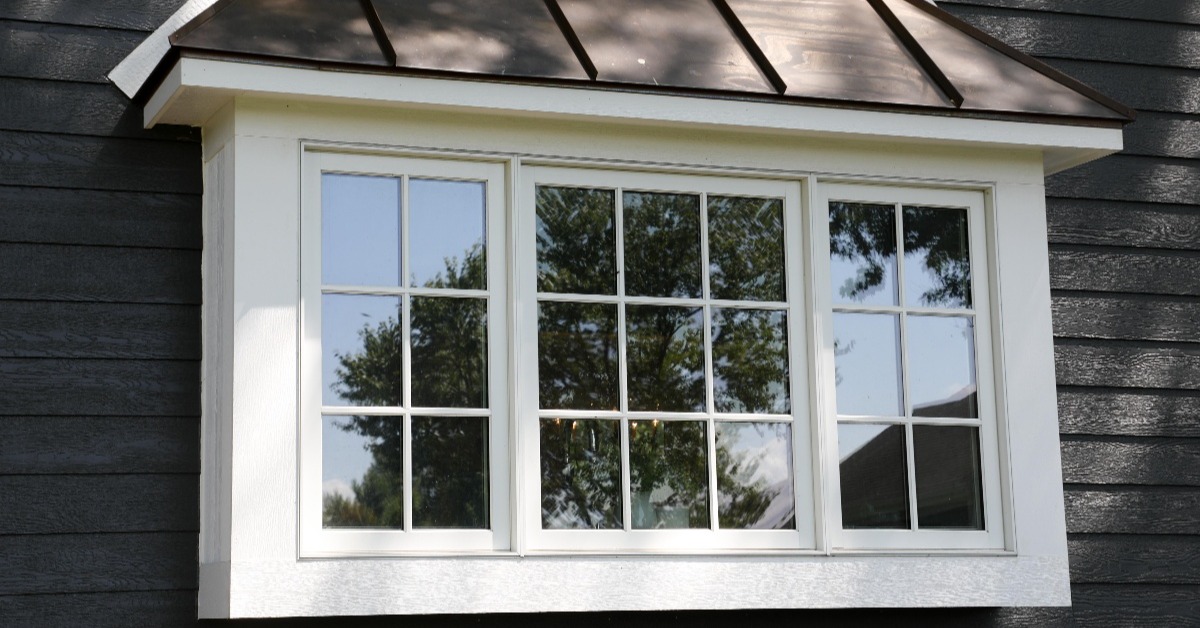
Your windows play a major role in keeping your home comfortable and energy efficient, but over time, even well-built windows can begin to fail. Knowing what to look for helps you catch issues before they lead to drafts, moisture damage, or rising energy bills.
Start with a simple inspection. Check the caulking and weatherstripping to ensure they are intact and flexible, and that each window closes and locks properly. If you feel air coming in, notice condensation or fog between the panes, or hear outside noise more clearly than before, your window seals may be failing.
Other warning signs include:
- Visible rot or soft spots: Common on older wood windows, especially those exposed to moisture.
- Difficulty operating: Windows that stick, jam, or will not stay open can indicate warped frames or shifting sashes.
- Peeling paint or water stains: These can signal water infiltration or trapped condensation.
- Noticeable temperature differences: If the area around a window feels colder in winter or hotter in summer, it’s losing insulation value.
- Rising energy costs: Drafts and heat loss through inefficient windows often show up as higher utility bills.
If only one or two windows show minor issues, repairs may extend their life. However, when several windows are drafty, aging, or showing similar wear, it often makes more sense to plan a full replacement. Newer windows offer improved insulation, low-E coatings that filter UV rays, and better sound control.
If you find that several windows need replacing, it may be worth stepping back to look at the bigger picture. This could be the right time to refresh exterior trim, or plan a siding replacement project at the same time. Tackling these improvements together often makes more sense by saving time, reducing future disruption, and giving your home a more cohesive, finished look.
Seal Gaps and Adjust Airflow
Even the smallest openings can make a big difference in how warm your home feels during winter. Start by checking for gaps where cold air can sneak in, such as around dryer vents, electrical outlets, attic hatches, recessed lighting, and where pipes pass through walls or floors. Sealing these spots with caulk or expanding foam helps keep conditioned air inside and cold drafts out.
Pay special attention to baseboards, window casings, and entryways, where aging materials often pull away from the wall over time. Weatherstripping doors and sealing gaps around window frames not only improves comfort but also helps your furnace work more efficiently.
Inside the home, look at how the air is moving. Reverse the direction of your ceiling fans so they push warm air down into the room, and make sure vents and radiators are not blocked by furniture or rugs. In some cases, adding vent deflectors or registering covers can help direct heat where you need it most.
If you notice that certain rooms stay colder than others, it could be a sign of uneven airflow or insulation gaps. An HVAC technician can check for blockages or recommend zoning solutions to balance temperatures more evenly throughout your home.
Small changes can go a long way, reducing drafts and helping you see real energy savings while keeping your home comfortable all winter.
How to Tell If Your Insulation Is Falling Short
Many older Chicago-area homes were insulated to the standards of their time, which fall well short of today’s energy efficiency standards. Over the years, insulation can settle, compress, or lose its ability to retain heat, especially in attics, walls, and crawl spaces that have never been updated.
So how can you tell if your insulation is no longer doing its job? Common warning signs include:
- Cold walls, floors, or ceilings: Touch interior surfaces on a cold day. If they feel cool to the touch, heat may be escaping through poorly insulated areas.
- Frozen pipes or chilly bathrooms over garages or crawlspaces: Spaces built above uninsulated zones lose warmth quickly and put plumbing at risk.
- Uneven heating between rooms: If some rooms stay comfortable while others feel drafty, insulation may be inconsistent throughout your home.
- Rising energy bills: When your furnace runs constantly to maintain a steady temperature, poor insulation is often the cause.
- Ice dams on the roof: Warm air escaping into the attic melts snow unevenly, causing it to refreeze at the roof’s edge, a telltale sign of insufficient insulation or poor attic ventilation.
- Pest activity in the attic: Rodents and insects sometimes nest in older insulation, which can damage materials and reduce effectiveness.
Upgrading attic insulation is one of the easiest and most effective ways to keep your home warm, but it is only half the equation. Proper attic ventilation allows heat and moisture to escape, preventing condensation, mold, and damaging ice dams.
If you have living space above a garage or an uninsulated crawlspace, adding insulation there can prevent cold floors and protect plumbing from freezing.
When your home still feels drafty, or your energy bills keep rising, it may be time to bring in a design-build professional who can see the full picture. Rather than treating insulation as a stand-alone fix, they assess how your entire home performs as a system. Using energy audits, thermal imaging, and on-site evaluation, they can pinpoint where heat is escaping and identify other issues such as poor ventilation, outdated windows, or moisture problems that may be connected.
Working with an experienced design-build partner also gives you the opportunity to think bigger. Upgrading insulation can spark ideas for broader improvements, like adding functional storage or finishing an attic. A thoughtful design-build approach turns one maintenance task into a long-term investment, improving comfort, efficiency, and the overall way your home supports daily life.
3. Clean and Inspect Vents, Chimneys, and Fireplaces
Your heating system works hard during the winter months. Keeping it clean and maintained ensures safety and efficiency.
Vents and Ducts
Have a professional clean your air ducts and dryer vents. Built-up lint and dust can restrict airflow and pose a fire risk. This is also a great time to schedule an HVAC inspection and tune-up to make sure your furnace is ready for the season.
If your system is older or heating unevenly, upgrading to a more efficient unit or adding zoning capabilities can improve comfort throughout the home.
Chimney and Fireplace
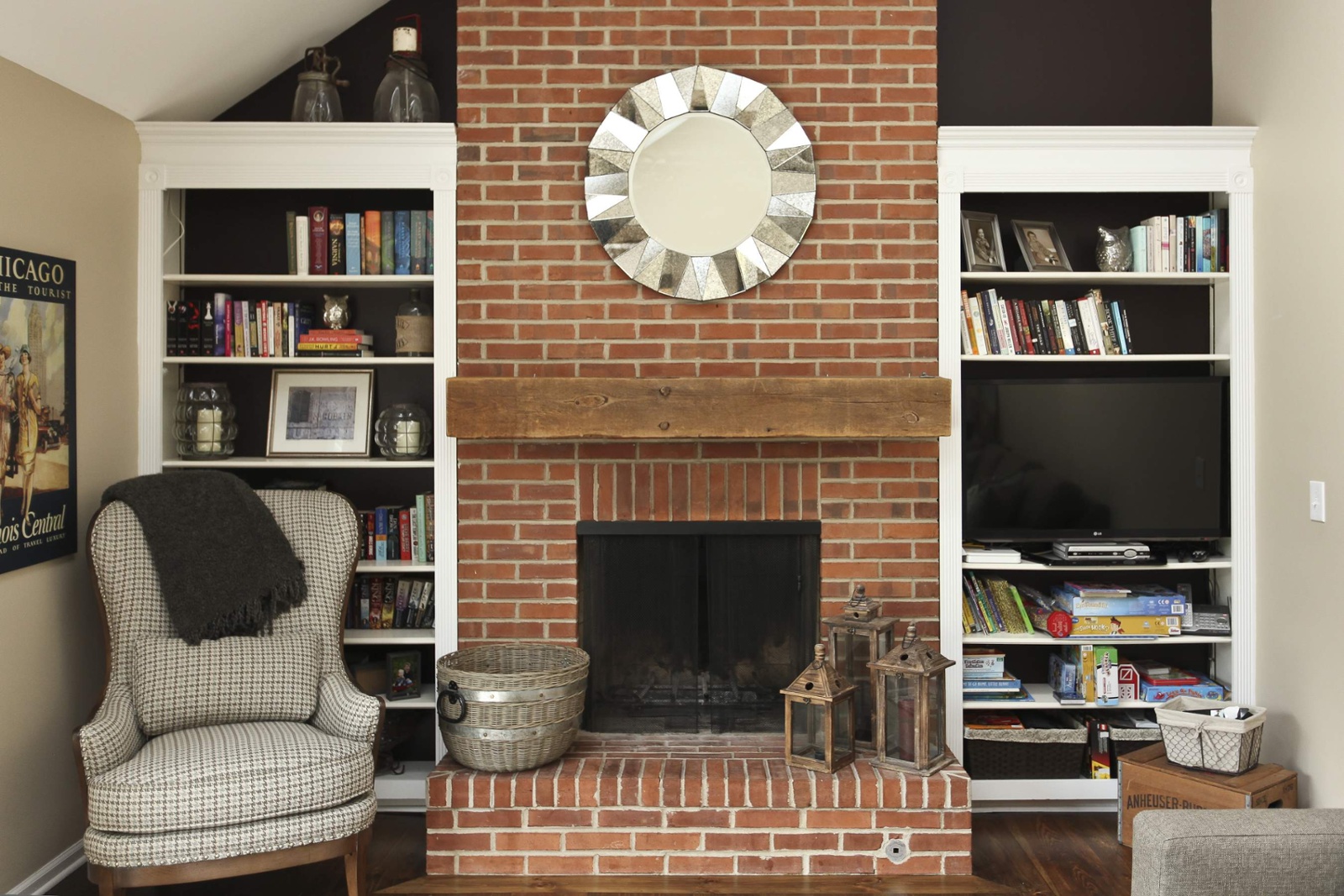
If you have a wood-burning or gas fireplace, annual maintenance is essential for both safety and performance. Over time, soot, creosote, and debris can accumulate in wood-burning fireplaces, while gas fireplaces can develop issues such as blocked vents, worn seals, or failing pilot assemblies. In either case, these problems can create fire hazards, reduce efficiency, or allow harmful gases such as carbon monoxide to enter your home.
Chimney care is not the time for a DIY approach. Because fire safety and indoor air quality are at stake, any visible damage or signs of wear should be evaluated by a professional. They can safely inspect hard-to-reach areas, identify hidden hazards, and determine whether repairs, relining, or a full rebuild are necessary.
Here is what these professionals will check:
- Chimney cap: Prevents debris and animals from entering. Replace if damaged or rusted.
- Crown: Look for cracks in the concrete top that could let water in.
- Flue liner and smoke chamber: Clean and inspect for cracks or heavy soot buildup.
- Firebox: Replace cracked firebricks or missing mortar joints.
- Damper: Make sure it opens and closes smoothly to control airflow.
- Exterior masonry and flashing: Repair any cracks or gaps to prevent leaks.
If your fireplace feels dated or inefficient, this could also be an opportunity to work with a design-build team to update the surround, add a gas insert, or modernize the hearth to fit your home’s style better while maintaining proper safety standards.
4. Drain Outdoor Faucets and Shut Off Valves
Few things are more stressful than waking up to rushing water from a burst pipe. It is a common winter emergency and almost always preventable.
Before temperatures drop:
- Disconnect and drain all outdoor hoses.
- Shut off the interior water valves that lead to exterior faucets.
- Drain any remaining water from the faucet.
- Winterize sprinkler systems.
Consider adding insulated faucet covers for extra protection, especially for older homes or exposed spigots.
If you have exposed pipes or inadequate pipe insulation, this may signal a need for improved insulation or a plumbing reroute. Many homeowners use this opportunity to rework garages or utility spaces for better heating and function.
5. Inspect the Home’s Exterior
Your home’s outer shell takes the brunt of Chicago’s harsh winters. Taking time to inspect and address small issues before freezing temperatures set in can prevent much bigger problems later. Ignoring exterior maintenance can lead to water intrusion, rot, mold, structural damage, and costly repairs that could have been avoided with simple preventative care.
- Siding: Look for peeling paint, soft spots, or areas of rot. When moisture seeps behind damaged siding, it can destroy the underlying structure, invite pests, and cause insulation to lose effectiveness. Taking care of siding repairs before winter prevents long-term deterioration and protects your home’s thermal envelope.
- Foundation: Avoid piling mulch or soil directly against siding, which traps moisture and accelerates decay. Keep several inches of exposed concrete visible between the ground and your siding to help water drain away properly. If water is allowed to sit against your foundation, it can cause cracks, leaks, and shifting over time, especially after multiple freeze-thaw cycles.
- Trim trees and shrubs: Keep branches from touching your roof or siding, where heavy snow and ice can cause breakage and structural damage. Overhanging limbs can also block sunlight and airflow, creating damp areas where mold or moss may grow. When trees and shrubs make direct contact with your home, they also create an easy bridge for insects and pests to enter through small openings around windows, vents, or siding seams. Regular trimming not only protects your exterior but also helps prevent unwanted infestations during colder months.
- Roof: Schedule a professional roof inspection to check for missing shingles, damaged flashing, or worn sealant. Even a small leak can let water into your attic or insulation, leading to hidden rot or interior ceiling damage. When left unchecked through the winter, minor roof issues can quickly turn into major water or ice problems once the snow begins to melt.
- Window wells: Clear out leaves and debris, and make sure the drain inside each well is open so melted snow can flow away from your foundation. A blocked drain can cause water to collect and freeze against your basement windows, potentially cracking glass or forcing leaks through seals.
- Exterior utilities: Cover or disconnect outdoor appliances and protect exterior outlets with weatherproof covers. Freezing temperatures and moisture can damage electrical components, corrode metal fittings, and lead to costly replacements if not properly maintained.
Small maintenance tasks like these might not seem urgent, but in Illinois’ climate, water damage and freeze-related issues can escalate quickly. Addressing exterior vulnerabilities now not only keeps your home dry and energy-efficient but also helps prevent costly repairs that can easily multiply once temperatures drop.
6. Maintain Mechanical and Electrical Systems
It always seems to happen on the coldest night of the year: the furnace stops working, the house goes quiet, and suddenly everyone is bundled in blankets waiting for an emergency technician (that will cost you double) to arrive. Most homeowners have a story like this or know someone who does. The truth is, many of those mid-winter breakdowns start with small issues that go unnoticed during the fall. A little maintenance now can mean the difference between a cozy evening inside and an unexpected scramble for repairs later.
Regular inspections and tune-ups keep your home’s systems running smoothly and safely:
- HVAC system: Have your furnace inspected and tuned up annually. Replace filters regularly to improve air quality and efficiency. A professional can spot early warning signs such as worn belts, weak airflow, or carbon monoxide leaks before they turn into bigger problems.
- Water heater: Drain and flush the tank once a year to remove sediment buildup and prolong its lifespan. If your water heater is more than 10 years old or shows signs of rust, it may be time to discuss a replacement.
- Plumbing: Pay special attention to any exposed or vulnerable pipes in unheated areas such as garages or crawlspaces. Insulating them helps prevent freezing and costly water damage.
- Electrical systems: Test smoke and carbon monoxide detectors, replace batteries, and make sure they are properly located on every level of your home. If you have a backup generator, run it briefly to confirm it is working and ready to handle a power outage.
If your mechanical systems are nearing the end of their lifespan, upgrading to modern, energy-efficient equipment can save you significant money and improve your home’s comfort. Smart thermostats, tankless water heaters, and updated electrical panels are worthwhile investments that help your home perform better year-round.
What Every Winter-Ready Home Has in Common
Every winter season tells the same story. The first real cold snap hits, the snow begins to fall, and homeowners start to notice the little things: a draft near the window, an especially cold floor just inside the entryway, a gutter that finally gives way under the weight of ice. It is in those moments that small maintenance tasks suddenly feel monumental.
The good news is that preparing early changes that story. Winterizing your home is about more than just surviving another season. It is about creating a space that feels warm, reliable, and built to last. When you take time to clear the gutters, seal the drafts, or service the furnace, you are not just checking off chores; you are protecting your largest investment.
If your winter prep reveals bigger issues, like aging windows, worn insulation, or outdated systems, that is often the first chapter in a home improvement project worth tackling. Our design-build team helps homeowners turn what they discover during winterization into lasting upgrades that add comfort, safety, and value for years to come.
The key is to start now, before the deep freeze sets in, so your home is ready for whatever Chicago weather brings. A little attention today can prevent tomorrow’s headaches and ensure your home continues to tell a story of care, craftsmanship, and lasting comfort.
Do you want more expert insights as you plan updates to your home?
Our free eBook, The Ultimate Step-by-Step Home Renovation Transformation Guide, offers a clear and practical look at what it takes to move from early ideas to a finished space. It is an ideal starting point for homeowners who want clarity, confidence, and a strong understanding of what happens at every phase.