
Listen to the Blog Post
What Should You Expect During a Home Remodel?
A home renovation is a multi-phase process that affects daily routines, living spaces, and timelines over several months. Homeowners can expect temporary disruptions such as limited access to certain areas, changes to entry points, increased activity in the home, and adjustments to parking or storage.
Working with a design-build general contractor helps set clear expectations early by aligning design, budget, schedule, and lifestyle considerations before construction begins. This allows homeowners to plan ahead, reduce stress, and make informed decisions throughout the home renovation process.
Not every remodel requires moving out, but some projects may require temporary relocation due to safety, scope, or local requirements. The key is understanding these factors early so the experience feels intentional rather than reactive.
Table of Contents
1. Remodeling Is a Process, Not a Moment in Time
2. Remodeling Investments Are Phased Over Time
3. How the Design-Build Process Helps Set Expectations
4. What Does Disruption Actually Look Like?
5. Can You Live in Your House During a Remodel?
6. Planning Makes the Process More Manageable
7. Understanding Soft Costs Without Fear
8. Why the Remodeling Experience Matters as Much as the Result
9. The Difference a Thoughtful Remodeling Approach Makes
Remodeling Is a Process, Not a Moment in Time
Many homeowners begin a remodeling project focused on the finished result. They picture a more functional kitchen, additional space, or a home that better supports their day-to-day lives. That focus is completely natural. It is, after all, the reason for starting the project.
What often gets less attention is the experience along the way.
A remodel is not a single moment. It unfolds over time, bringing changes to the rhythm of your home life. There will be noise, movement, and periods where certain spaces are temporarily unavailable as work progresses on-site.
For many homeowners, the real challenge is not the disruption itself, but the uncertainty that can come with it.
We also know that homeowners value transparency and honest guidance when making decisions of this scale. That is why this conversation matters. Understanding what the process actually looks like helps set clear expectations from the beginning and allows you to move forward with confidence.
When expectations are clearly defined from the beginning, the process feels structured and manageable. Without that clarity, even normal parts of construction can feel overwhelming or unexpected.
.png?width=1600&height=1000&name=s-vail-during-renovation%20(4).png) Above Image: An in-progress look at the S. Vail whole-home remodel and addition as the transformation takes shape.
Above Image: An in-progress look at the S. Vail whole-home remodel and addition as the transformation takes shape.
Remodeling Investments Are Phased Over Time
One of the most common misconceptions about a remodeling project is how the investment actually unfolds.
At first glance, the overall number can feel overwhelming. It can seem like a single, all-at-once expense. In reality, a remodel is structured as a phased process, both in terms of the work itself and how the investment is made.
Design, planning, material selection, and construction each happen in stages. As the project progresses, decisions are made, and investments are allocated step by step rather than all at once.
This timeline is guided by key milestones, which often align with phases like design completion, material procurement, and major construction progress. Each phase builds on the last, creating a clear and organized path forward, with every step outlined in the scope of work so you know exactly what to expect and when.
Understanding this changes how the project feels. Instead of approaching it as one large financial commitment, homeowners can think of it as a series of informed decisions made over time, each aligned with their overall renovation goals.
.gif?width=2000&height=1000&name=sheridan-before-after-gif(2000x800).gif) Above Image: Before and after views of the Sheridan kitchen remodel, where thoughtful design meets everyday function.
Above Image: Before and after views of the Sheridan kitchen remodel, where thoughtful design meets everyday function.
How the Design-Build Process Creates Clear Expectations
One of the biggest advantages of the design-build approach is continuity.
Homeowners work with one team from the earliest planning conversations through construction, which allows for a more complete understanding of both the project and the homeowner’s day-to-day life.
Every home and every family operates differently, and the planning process should reflect that. A thoughtful team takes time to understand how the household functions, including work schedules, school routines, pets, and daily habits.
Instead of applying a standard approach, the conversation becomes more tailored. Homeowners and their design-build contractor talk through questions like:
- How construction might affect daily routines
- A dedicated point of entry for homeowners and a separate dedicated entry and zone for the construction team
- Which phases of the project may feel more disruptive
- What adjustments could make the process easier
- Which accommodations may not be necessary at all
These early conversations also help define the overall scope of work, ensuring that both the design and construction phases are aligned with expectations from the start.
This approach replaces assumptions with clarity. Expectation management becomes part of the planning process, not something addressed once construction begins.
If you’re exploring your options, take a closer look at how the design-build approach compares to traditional methods in our guide: Design-Build Construction vs. Traditional Methods: Know the Key Differences.
What Does Disruption Actually Look Like?
Every project is different, but there are consistent patterns homeowners should understand. Just as important is how those disruptions are anticipated and managed. While these changes are a natural part of the process, thoughtful planning helps ensure they feel manageable and temporary rather than overwhelming.
Home Additions
At the start of an addition, the construction area is typically separated from the rest of the home with a temporary wall, helping maintain a sense of normalcy early on.
As the project progresses, the new space needs to connect to the existing home. At that point, the wall is replaced with a plastic barrier. While the plastic still helps control dust and debris, it does not provide the same level of separation and, therefore, feels more like you are living with construction in your home. You can often hear more, see more movement, and feel the construction team's presence much more directly. The goal is to keep the temporary wall up as long as possible, but realistic expectations need to be set for when the wall is removed.
This is usually the phase when the project starts to feel more noticeable inside the home. This shift is a natural part of the process and is planned for in advance, so it does not come as a surprise. Homeowners are prepared for this transition ahead of time, which helps maintain a sense of control as the project progresses.
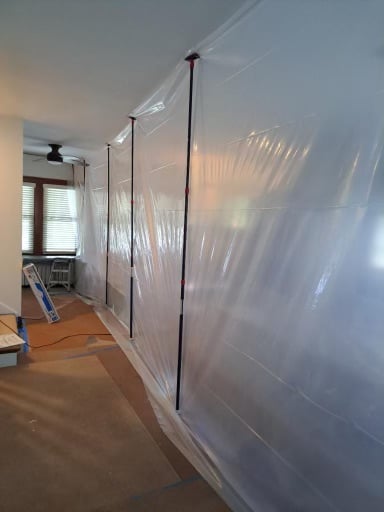
Above Image: a temporary construction zone set up with hardboard and paper floor protection, and plastic zip walls used to contain dust and maintain separation from the living space.
Kitchen Remodels
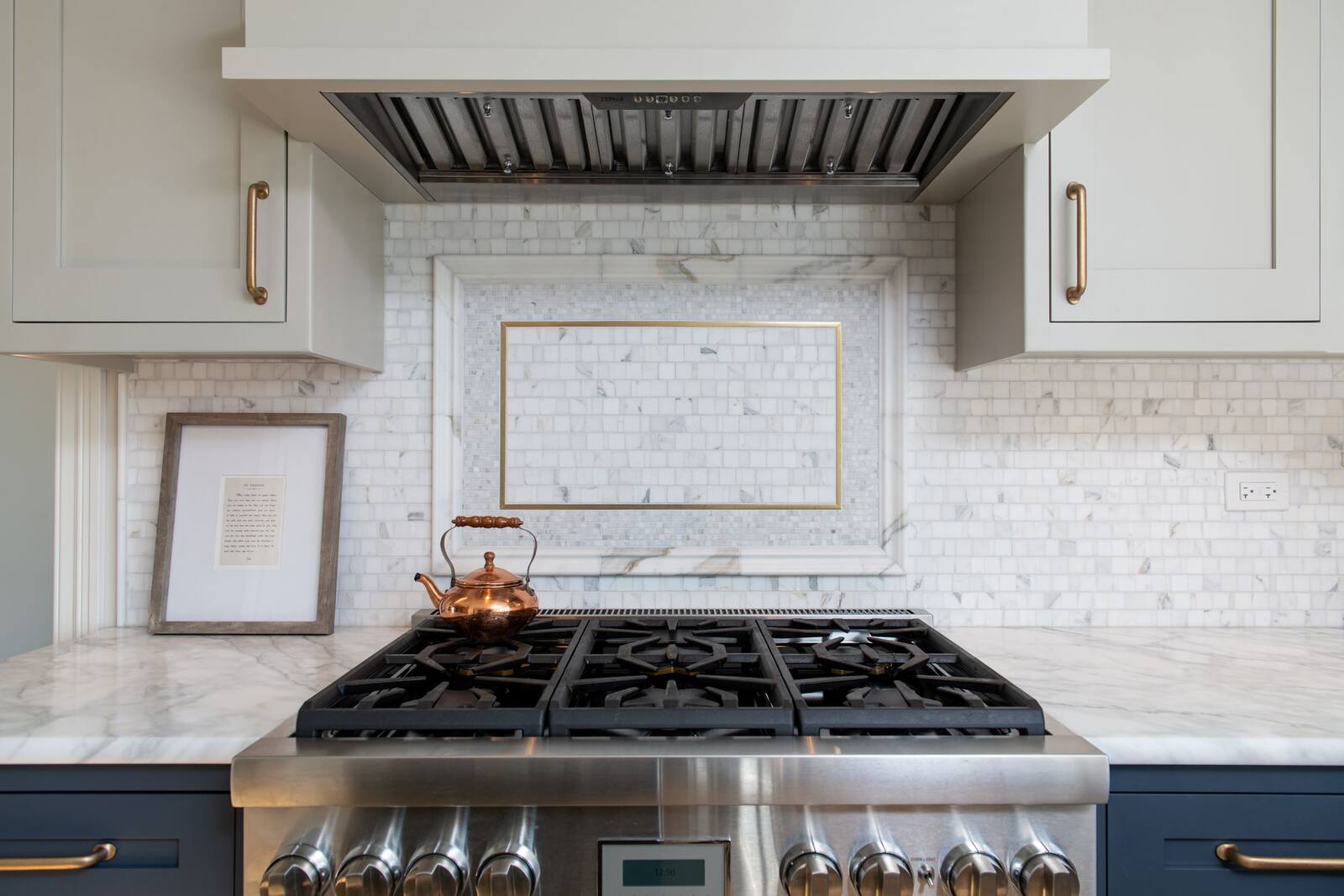
Kitchen projects involve sealing off the work area completely from the rest of the home. Since the kitchen is one of the most used spaces, this can be one of the more noticeable adjustments during a home improvement project.
To make this more manageable, homeowners are guided through setting up a temporary kitchen in another part of the home, often using small appliances like microwaves, hot plates, or slow cookers. An area in a dining room or basement can create the perfect temporary kitchen. Because the work zone remains consistent from start to finish, the rest of the home can function more predictably. Many homeowners also elect to do their kitchen remodeling during the spring, summer, and fall months so they can grill outside more often.
Primary Suite Renovations
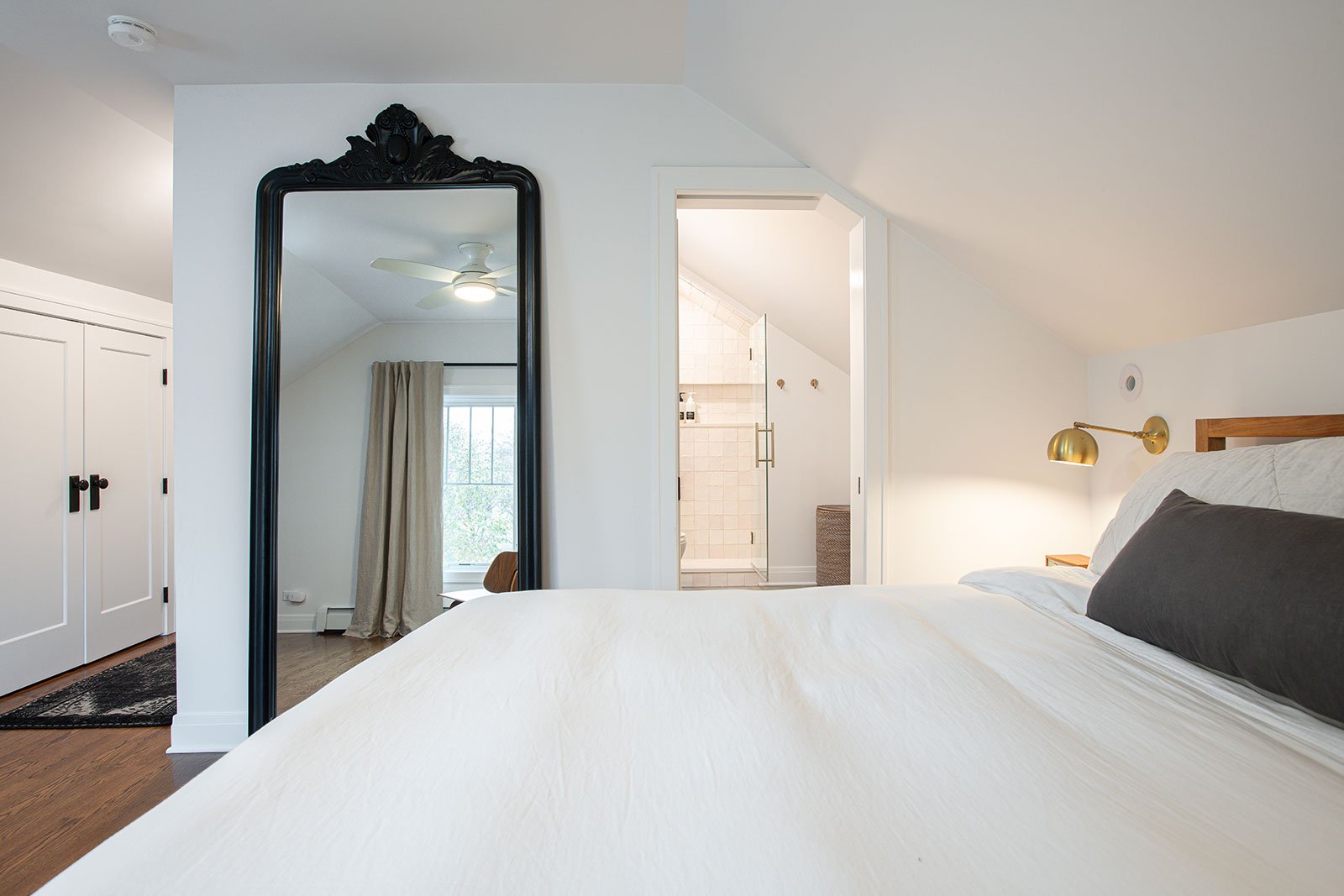
When remodeling a primary suite, homeowners need to relocate out of the bedroom and operate without that bathroom for a period of time. This can be one of the bigger adjustments, especially if there is no obvious alternative space.
Planning helps reduce the impact. Before construction begins, the team works with homeowners to identify where they will stay within the home, whether that means using a guest room, reconfiguring existing spaces, or making short-term adjustments.
Determining these details and setting expectations early prevents last-minute scrambling once construction is underway. With a clear plan in place, this transition tends to feel far more manageable than most homeowners initially expect.
Daily Logistics and Access
Beyond the work itself, remodeling changes how a home functions day to day.
Homeowners can expect:
- A portion of the driveway is to be used for dumpsters and materials
- Part of the garage is used for storage
- Changes to how they enter and move through the home
- Adjustments to parking arrangements
These shifts can feel disruptive if they are unexpected.
To minimize disruption, a clear plan for access and movement is established early. Dedicated entry points, protective pathways, and defined work zones help maintain order and reduce the impact on daily life while keeping the on-site project management process running efficiently.
These details are clearly communicated in advance, so homeowners know exactly how their day-to-day flow will change.
.png?width=1500&height=1000&name=n-beverly-basement-renovation-media-zone%20(9).png)
Can You Live in Your House During a Remodel?
This is one of the most common questions homeowners ask when planning a renovation. In many cases, the answer is yes.
For smaller renovations or carefully phased projects, homeowners are often able to remain in the house while work progresses. Even larger projects sometimes allow families to stay for portions of the construction timeline.
There are also situations where stepping away for a short period can make the experience easier. Major demolition, structural changes, or times when plumbing or electrical systems are temporarily offline may make temporary housing a practical option.
In some cases, local building codes or safety requirements may also influence whether the home can be occupied during certain phases of the project.
A thoughtful design-build contractor helps homeowners evaluate these possibilities early so decisions feel intentional rather than rushed. This guidance allows homeowners to make confident decisions based on their comfort level, rather than reacting once construction is underway.
If you’re considering living in your home during a remodel, this guide offers helpful insight: How to Renovate a House While Living in It: Surviving Home Renovations.
What It Feels Like to Live Through a Remodel
When homeowners remain in the house, the experience often feels different from what they expected.
Even with careful planning, there is more activity throughout the day, more people in the home, and a noticeable shift in privacy and routine. What once felt like a quiet, predictable environment becomes more dynamic.
The goal is not to eliminate that entirely, but to plan for it in a way that feels manageable.
This may include phasing work so certain areas remain usable longer, identifying quieter zones within the home, or preparing for temporary adjustments during more active phases of construction. In some cases, it also means recognizing when stepping away for a short period will make the experience easier overall.
While every project is different, remodeling is inherently time-consuming, which makes this level of planning even more important. When these decisions are made in advance, homeowners can move through the process with far more confidence.
.png?width=1060&height=707&name=n-beverly-basement-powder-bath%20(5).png)
Planning Makes the Process More Manageable
Disruption is a natural part of any renovation project. What makes the experience manageable is not avoiding it entirely, but planning for it in a way that aligns with how the homeowner lives.
A thoughtful design-build approach focuses on:
- Containing disruption where possible
- Sequencing work to reduce the impact and shorten the duration of each phase
- Preparing homeowners for what is coming next
When this level of planning is in place, the process feels more organized and predictable. Homeowners are not reacting to changes as they happen. They understand them and are better prepared to navigate them.
Understanding Soft Costs Without Fear
Homeowners sometimes hear the phrase “soft costs” and assume it refers to hidden expenses. In reality, these costs relate to how life continues during construction.
For some homeowners, that might include temporary housing for a short time. Others may choose short-term storage, dog daycare during workdays, or a co-working space if they regularly work from home.
Many projects require none of these accommodations at all. Others may benefit from one or two during specific phases. These considerations are often separate from the core renovation budget and overall renovation costs, but still important to plan for in advance.
The important thing is having these conversations early. When homeowners understand what to expect during a house renovation, they can plan calmly rather than react once construction is already underway.
Why the Remodeling Experience Matters as Much as the Result
Quality remodeling is about more than the finished result. It is also about the experience homeowners have along the way.
A contractor who values quality understands that protecting a homeowner’s time, routines, and peace of mind is part of delivering a successful project. That means being transparent about the realities of construction while also looking for ways to make the process easier whenever possible.
Clear communication, thoughtful planning, and preparation help homeowners feel supported rather than overwhelmed, even as their homes change around them.
The Difference a Thoughtful Remodeling Approach Makes
Knowing what to expect during a home renovation project allows homeowners to approach the process with greater clarity. Not every project requires major adjustments, and not every household needs the same accommodations. What matters most is having a team that takes the time to understand how the home is used and how the family lives within it.
The right design-build partner does more than design and build. They guide homeowners through the process, helping them plan thoughtfully and adapt when needed.
While remodeling can feel disruptive in the moment, it is a temporary phase that leads to a lasting result. With the right planning and guidance, those short-term adjustments give way to a home that is more functional, more comfortable, and better aligned with how you live every day. The result is not just a well-crafted home, but a remodeling experience that feels organized, transparent, and ultimately rewarding.

Download the Remodeling Blueprint
Access Patrick A. Finn’s Ultimate Blueprint to Creating Your Dream Home to learn what to expect and how to plan your project the right way from the start.