<img height="1" width="1" style="display:none" src="https://www.facebook.com/tr?id=3789014914652380&amp;ev=PageView&amp;noscript=1">
Search our site ...
  • There are no suggestions because the search field is empty.

When you choose design-build remodeling, you partner with one integrated team that handles your home’s design, planning, and construction from start to finish. Instead of juggling an architect, a designer, and a separate contractor, you work with a single, coordinated group that is responsible for your vision, your budget, and the craftsmanship in your home. For quality‑focused homeowners in Arlington Heights, Barrington, Palatine, and the surrounding Northwest Suburbs, that means a more predictable process, fewer surprises, and a finished space that feels intentional, cohesive, and built to last.

The design-build approach is especially well‑suited for larger, more complex projects—like whole‑house remodels, additions, and high‑end kitchen or first‑floor renovations—where every decision impacts how your family actually lives day to day.

Because the designers and builders sit on the same side of the table, you get early cost feedback, clearer timelines, and thoughtful guidance on where to invest for long‑term value. If you want a seamless, low‑stress way to transform your home—with one trusted team guiding you through every step—design‑build is likely the right approach.

PAF-W-Brittany-009

Design‑Build vs. Traditional Contractors: What to Know

When you start planning a major home remodel, one of the first decisions is how you will structure the project: hire separate professionals (architect, designer, and general contractor) or choose an integrated design‑build firm.

That choice directly affects your stress level, how clearly you understand costs and timelines, and how closely the finished result matches the vision in your head.

With the traditional “design‑bid‑build” approach, you manage multiple contracts and serve as the go‑between for your architect, contractor, interior designer, and tradespeople.

With design‑build, you work with one remodeling company and one point of accountability that handles everything: design, pricing, permitting, and construction together from day one.

If you are still deciding whether design‑build is the right fit, read Design‑Build Remodeling 101 for a deeper look at how the process works and why homeowners choose this approach. 

Patrick-Finn-Additions-01

Why Is Having One Design‑Build Team Better Than Managing Multiple Parties?

In a traditional model, you are responsible for coordinating and serving as the project manager—finding an architect, clarifying plans, managing the various trade groups, and resolving any conflicts as they arise. That is a full‑time job and can be challenging for busy professionals or families juggling work, school, and activities.

A full-service design‑build team like Patrick A. Finn gives you a single relationship to manage. The same group that designs your new kitchen, first floor, or whole‑house remodel is also responsible for producing accurate pricing, sequencing the work, overseeing the trades, and delivering the finished result.

That unified structure reduces miscommunication, finger‑pointing, and surprises—and makes it easier to get honest answers when you need to make decisions.

How Does Design‑Build Help Keep Your Project on Budget and on Schedule?

In a traditional approach, drawings are often completed before anyone begins construction pricing. If the bids come back far above your comfort zone, you may need to pay for that same person to redesign or cut scope late in the process, adding time, extra costs, and frustration.

With design‑build, cost and constructability are part of the conversation from the beginning.

As your design evolves, the team provides budget feedback and helps you prioritize where to invest more (in durability, layout changes, or structural improvements) and where to scale back without sacrificing function.

Because design and construction work from the same set of assumptions, schedules are more realistic and changes are less likely to derail the entire timeline.

PAF-S-Kaspar-010
PAF-S-Kaspar-014
PAF-S-Kaspar-002

How Does Design‑Build Improve Communication During Your Remodel?

Clear communication is one of the biggest predictors of a low‑stress remodeling experience. In the traditional model, messages can get lost as they pass from homeowner to architect to the remodeling contractor, designer, and back, especially once construction starts and site conditions evolve.

Design‑build firms are structured to keep everyone on the same page. At Patrick A. Finn, you have a defined design-build process, a consistent point of contact, and a team that already knows your priorities because they have been in the room with you since the first design conversation. Understanding your remodeling project intimately means fewer surprises, quicker answers when decisions are needed, and more time spent making thoughtful choices instead of chasing information.

PAF-S-Kaspar-023

Is Design‑Build Right for High‑End, Complex Remodeling Projects?

When your project includes moving walls, rethinking the flow, combining multiple rooms, or renovating a historic or custom home, the coordination demands increase dramatically. Design‑build shines on these more complex projects because design, engineering, budgeting, and construction all work in sync from the start.

For families in Northwest Chicagoland planning whole‑house remodels, major first‑floor renovations, high‑end kitchens, luxury primary suites, or additions that need to blend seamlessly with existing architecture, an integrated design-build team offers a clearer path to a cohesive, long‑lasting result.

Want a closer look at how design‑build differs from the traditional route? Explore Design‑Build Construction vs. Traditional Methods to compare communication, accountability, and project flow.

PAF-S-Vail-007

How Does the Design‑Build Process Work at Patrick A. Finn?

When you remodel with Patrick A. Finn, you are not just hiring a contractor—you are partnering with a team that guides you through a clear, five‑phase design‑build process from first conversation to final walkthrough.

This structure gives busy homeowners in Northwest Chicagoland a predictable path forward, so you always know what is happening, who is responsible, and what comes next.

What Are the 5 Phases of Patrick A. Finn’s Design‑Build Process?

At a high level, your project moves through five key phases:

  1. Initial Consultation
  2. Design Development
  3. Pre‑Construction Planning
  4. Construction
  5. Project Completion and Follow‑Up

Each phase has its own goals, meetings, and milestones, so you feel supported—not overwhelmed—at every step.

Curious what the full remodeling journey feels like from planning through construction? Read Patrick A. Finn’s guide on what to expect during a home remodel for more insight into timelines, disruption, and how the design‑build process helps homeowners plan with confidence. 

chicago-northwest-suburbs-design-build-1

Phase 1 – What Happens During the Initial Consultation?

Your experience begins with a conversation focused on your home, your lifestyle, and your long‑term plans—not just square footage and finishes. During the initial consultation, the team listens to what is not working today, what you would love to change, your investment range, and your ideal timeline, and then walks you through how design‑build can help.

The goal is to determine whether your project is a good fit for Patrick A. Finn’s expertise and to give you a realistic sense of next steps, so you can move forward with confidence.

Phase 2 – How Is the Design Developed?

Once you decide to proceed, you enter a collaborative design phase where your vision is translated into detailed plans. Here, you will work with designers who understand both aesthetics and construction, so the layouts, selections, and structural decisions will be feasible and support how you actually live.

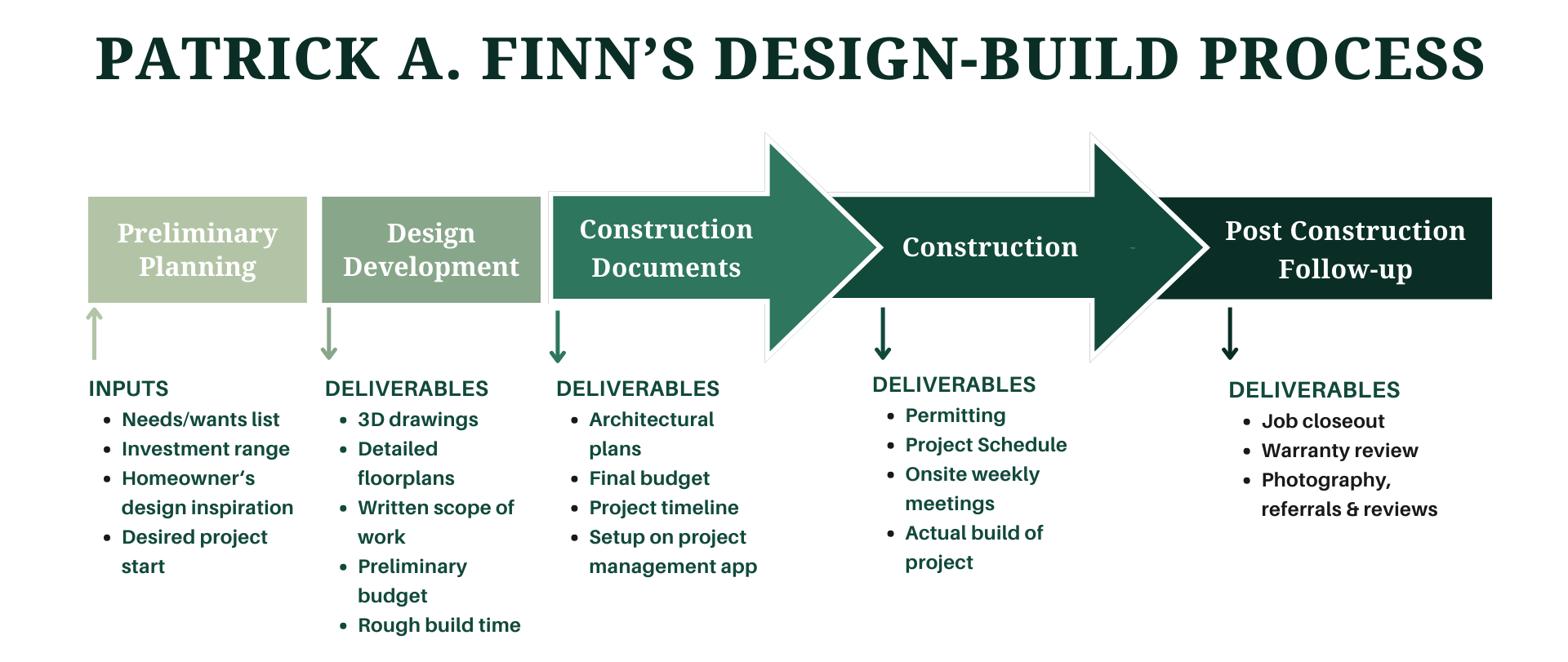
Throughout the design phase, you receive guidance on options, pricing implications, and how each choice affects both function and long‑term value. The deliverables at this stage are 3D drawings, detailed floor plans, a written scope of work, a preliminary budget, and a rough build time estimate.

Phase 3 – What Happens Before Construction Starts?

With your design in place, the team moves into detailed pre‑construction planning so the build phase feels organized rather than chaotic. This is when drawings are finalized, the final budget is determined, the project timeline is set, engineering needs are addressed, and setup is done on the project management app.

The goal of this phase is to remove surprises once work begins on site, so you know what to expect in terms of timing, investment, and how the project will affect your day‑to‑day routine.

PAF-S-Fernandez-024

Phase 4 – What Is Construction Like with a Design‑Build Team?

When construction begins, the same team that helped design your project remains involved in bringing it to life. You will have a dedicated point of contact and on‑site supervision, so questions are answered quickly and decisions stay aligned with the original vision and budget. Permitting is handled with care and in a timely manner.

The fully vetted crew and subcontractors work to protect your home, maintain a tidy jobsite, and limit disruption as much as possible, whether you are living through a kitchen remodel or a major addition renovation.

Regular updates are provided every step of the way, keeping you informed about progress, upcoming milestones, and any choices that require your input, so you never feel in the dark.

Phase 5 – How Does Project Completion and Follow‑Up Work?

As your project wraps up, the team walks the space with you to confirm that everything looks and functions the way you expected. Any remaining touch‑ups or punch‑list items are documented and addressed, so the final result meets the standards you invested in.

You will also receive information about warranties, maintenance, and how to care for your new finishes and systems, along with a clear point of contact for any questions that come up later.

For many homeowners, this is the start of an ongoing relationship—once you have a trusted design‑build partner, it becomes much easier to plan the next phase of your home’s evolution, whether that is a basement, an addition, or a future update to another part of the house.

Finn-design-build process-1

What Types of Projects Does Patrick A. Finn Design‑Build?

As a full-service design‑build firm, Patrick A. Finn handles everything project types ranging from kitchen remodels to large‑scale whole‑house transformations, historic renovations, aging in place design, and custom homes across Northwest Chicagoland.

That means you can work with one trusted team as your home evolves over time—whether you are making room for a growing family, modernizing an older house, or planning for the long-term.

PAF-Pinehurst-005

Does Design‑Build Work for Whole‑House Remodeling?

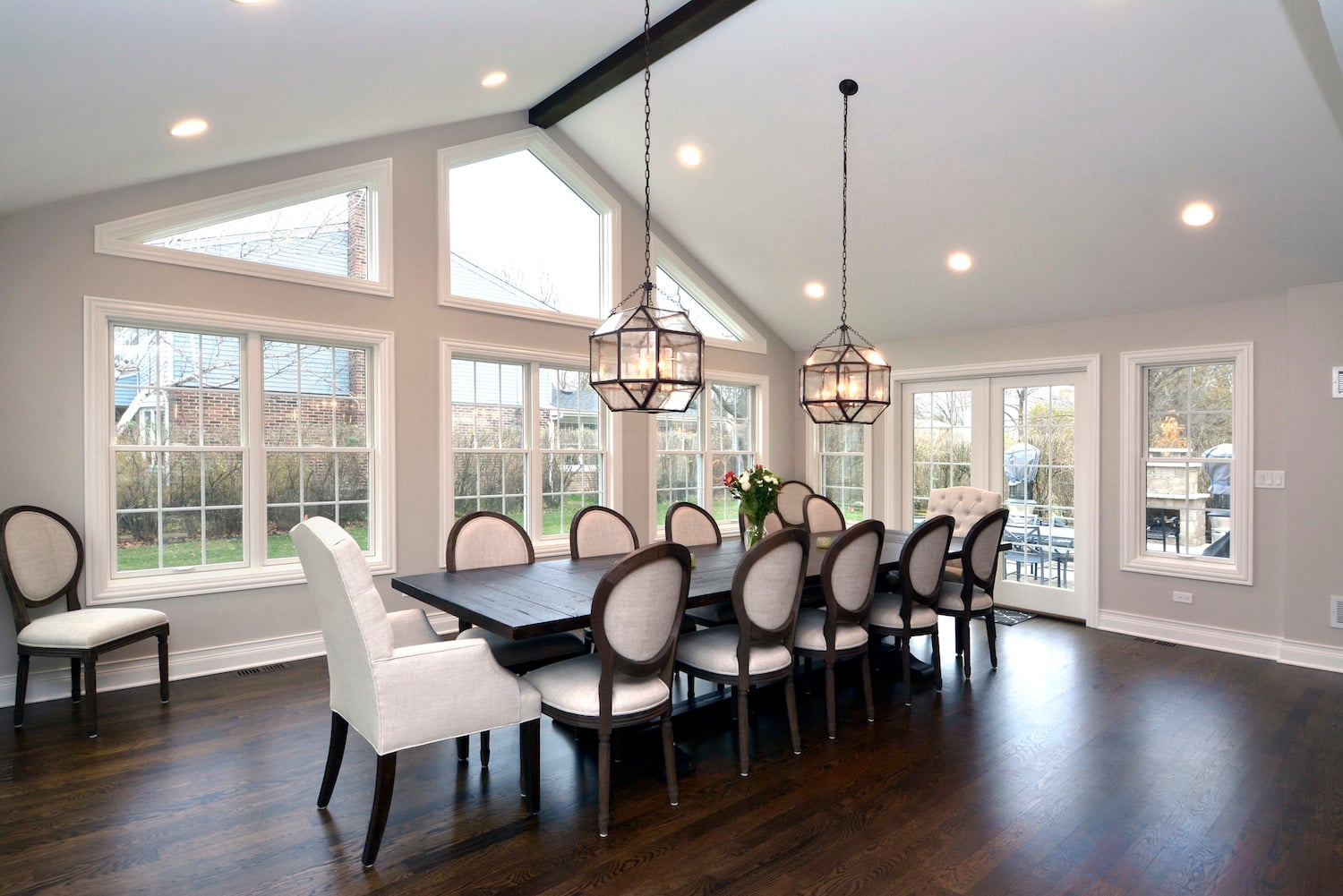
Whole‑house and major first‑floor remodels are a natural fit for design‑build because layout, structure, finishes, and mechanical systems all need to work together. In these projects, the team can rethink traffic flow, open or re‑zone spaces, and create a cohesive design language that ties the entire home together—something that is difficult to pull off when design and construction are separated.

For young families, whole‑house remodeling often focuses on better sightlines, mudrooms and storage solutions, and flexible spaces that can change as kids grow. For empty‑nesters, the same process can prioritize main‑level living, aging-in-place design, guest space for visiting family, and updated finishes that feel timeless rather than trendy.

PAF-Pinehurst-019

How Does Design‑Build Support Home Additions?

Home additions need careful planning so the new space looks and feels original to the house. Design‑build keeps zoning, structure, exterior details, and interior flow under one team, helping you avoid awkward rooflines or mismatched materials.

In suburbs like Arlington Heights, Barrington, and Palatine, this approach is ideal for larger kitchens, expanded family rooms, or new primary suites that transform how the main floor lives while still looking intentional and cohesive.

Thinking about adding square footage instead of moving? See Home Addition Design 101 for practical advice on planning a family‑friendly addition that feels seamless with the rest of your home. 

PAF-S-Vail-038

Can You Use Design‑Build for a New Custom Home?

Yes. For homeowners building rather than remodeling, design‑build offers one streamlined path from initial concept through move‑in with a single, coordinated team. This team designs around your lot, lifestyle, and budget while planning how the home will actually be constructed.

The approach is especially helpful in established neighborhoods, where setbacks, lot shape, and existing architecture matter. Design‑build helps ensure your custom home fits the site and your long‑term plans, whether you are upsizing, right‑sizing, or creating a forever home.

earlyamericancustombuild_LinkedIn

How Does Design‑Build Enhance Kitchen and Bathroom Remodeling?

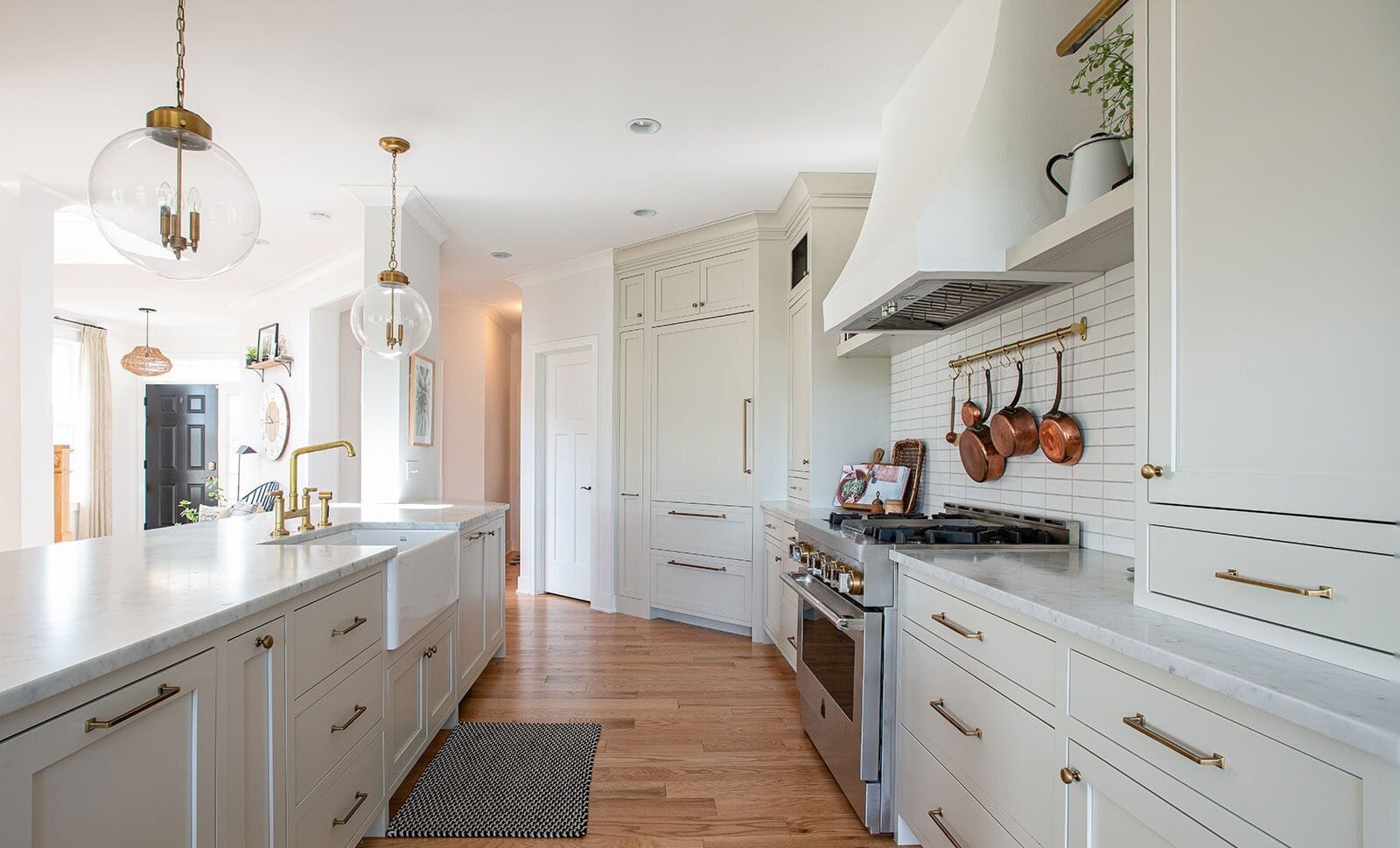
Kitchens and bathrooms pack plumbing, electrical, cabinetry, and tile into tight spaces, so coordination matters. A design‑build team plans layout, selections, and construction together, helping your appliances, fixtures, and finishes work as a cohesive whole within your budget.

In a kitchen, that might mean reworking the footprint, adding an island, or opening the room to adjoining spaces; in a bathroom, it could be a spa‑like primary bath, a walk‑in shower, or smarter storage and lighting. With design and construction collaborating from day one, you are far less likely to face layout surprises once walls are opened or fixtures go in.

If your remodel starts with the kitchen, the timeline matters just as much as the design. Read Kitchen Remodel Timeline: Unveiling the Reality Behind the Dream for a realistic look at how planning, permitting, and construction come together.

PAF-S-Fernandez-042
n-beverly-basement-powder-bath (5)

Can a Design‑Build Firm Remodel Basements and Create Multi‑Purpose Spaces?

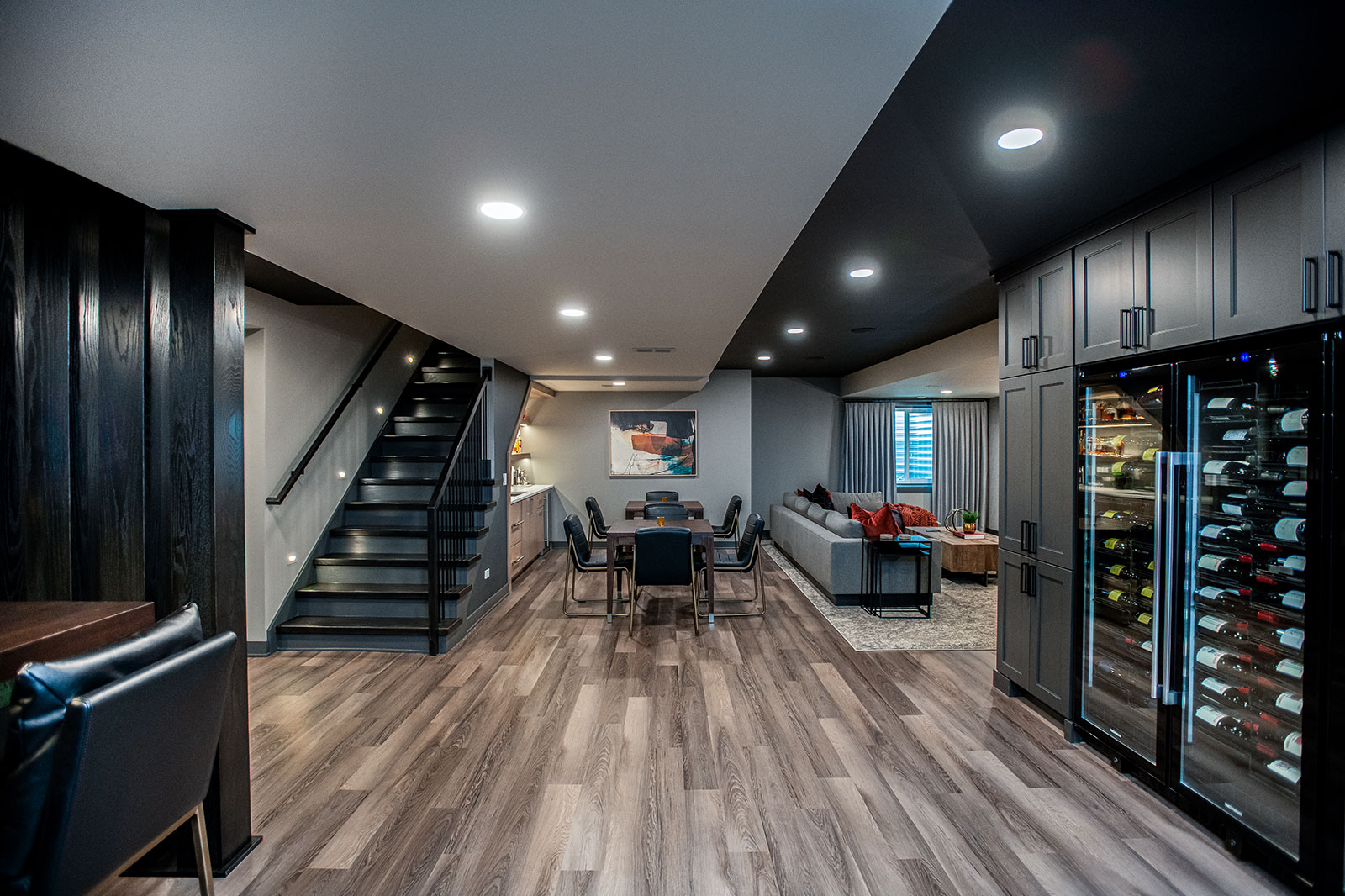
Basements provide valuable square footage, but they also come with specific challenges: low ceilings, limited natural light, and existing mechanical systems. Design‑build firms are well-suited to transform these spaces into warm, functional rooms because they can plan the layout, lighting, insulation, and finishes together.

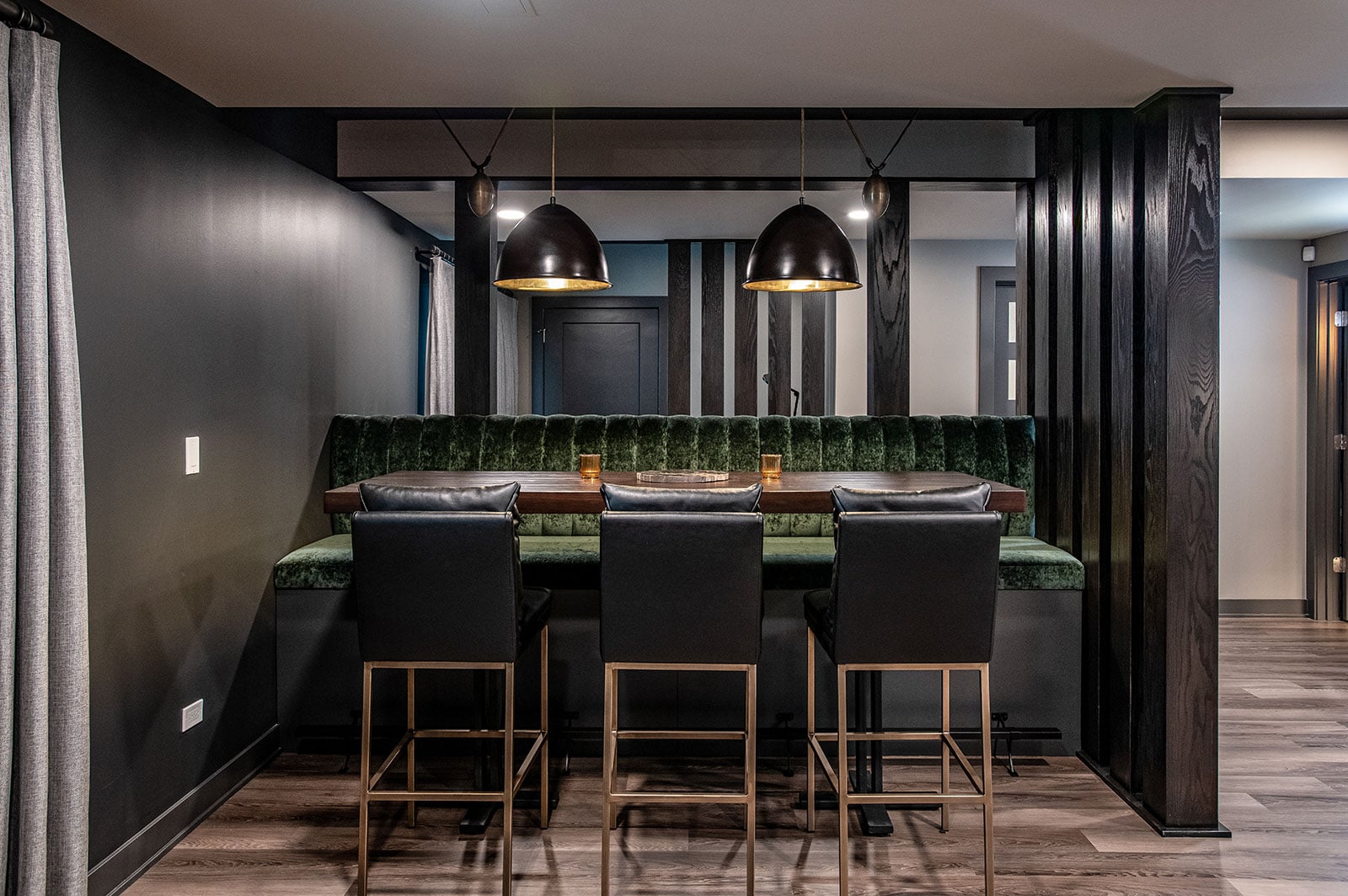
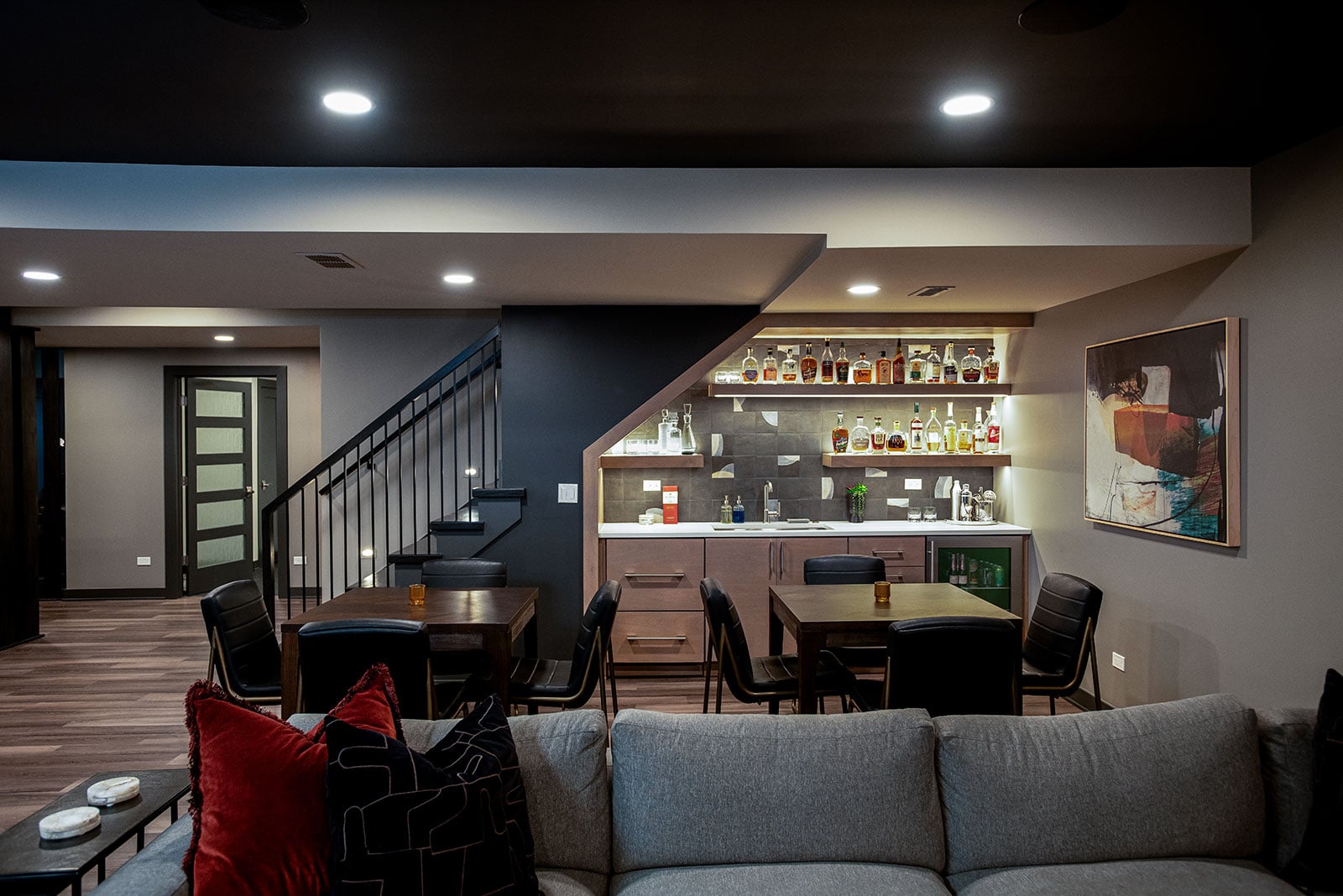
Whether you want a media room, kids’ play space, guest suite, wet bar, home office, gym, or a combination of all of the above, the design‑build process helps prioritize how your family will truly use the basement.

Drainage and moisture considerations, storage solutions, and sound control can all be accounted for up front, resulting in a lower‑stress project and a basement that feels like a natural extension of the rest of your home.

n-beverly-basement-renovation-gym-zone (5)
n-beverly-basement-renovation-media-zone (1)

How Does Design‑Build Support Aging‑in‑Place and Long‑Term Comfort?

For homeowners planning to stay in their homes for many years, design‑build makes it easier to incorporate aging‑in‑place features without sacrificing style. During design, the team can consider wider doorways, curbless showers, better lighting, main‑floor bedrooms, and thoughtful storage heights—all in the context of a cohesive, timeless look.

Because the same group that designs these solutions also builds them, details like blocking for future grab bars, transitions between flooring materials, and safe, comfortable stair layouts are handled intentionally rather than as afterthoughts. This is particularly valuable for empty‑nesters who want to invest once in a remodel that will serve them well for the next decade or more.

large-shower

Can Design‑Build Respect the Character of Historic Homes?

Historic and older homes are a hallmark of many Northwest Chicagoland neighborhoods, and remodeling them requires a careful balance of preservation and modernization. A design‑build firm experienced with historic renovation can evaluate existing conditions, understand local guidelines, and plan updates that respect original details while improving comfort and functionality.

That might mean restoring or matching millwork, working thoughtfully with existing masonry, or subtly reconfiguring spaces to improve flow without losing character. With architecture, materials, and construction all coordinated by one team, historic renovation becomes a guided process rather than a risky guessing game.

Before you finalize your wish list, explore Patrick A. Finn’s home remodeling resources for planning guides on budgeting, design decisions, and preparing for a successful renovation.

Barrington-Kitchen-Remodel-Marble-Countertop-02-3

How Much Does Design‑Build Remodeling Cost in Chicago’s Northwest Suburbs?

Design‑build remodeling is a significant financial and emotional investment, and understanding the big picture of cost is essential before you decide to move forward. While every home and project is different, a thoughtful budget looks beyond a single “bottom line” number and considers scope, quality, timing, financing, and even the hidden cost of living with ongoing frustrations in your current space.

Rather than guessing based on a neighbor’s kitchen or a project you saw online, a high-quality design‑build partner guides you through uncovering what your specific home needs, what it will realistically take to address those needs, and how to phase the work if that makes more sense.

What Factors Influence Design‑Build Remodeling Costs?

Many elements shape the investment for a remodel in Chicago’s Northwest Suburbs, even before you choose finishes. Key cost drivers include:

  • Scope and complexity: Are you refreshing finishes, reconfiguring rooms, or undertaking a full first‑floor or whole‑house renovation?
  • Existing conditions: Older homes, structural changes, dated mechanicals, or moisture issues can add necessary work behind the walls.
  • Level of finishes and fixtures: Custom cabinetry, stone countertops, tile, plumbing fixtures, and lighting choices all influence the final budget.
  • Structural and layout changes: Removing walls, adding beams, or expanding openings can increase engineering and construction costs—but can also transform flow and function.
  • Site and location factors: Lot constraints, access, local permitting, and neighborhood expectations (especially in historic areas) impact both design and construction.

A design‑build firm helps you see how these pieces fit together so you can make informed trade‑offs instead of being surprised later.

How Do Design‑Build Firms Help You Align Scope with Budget?

A renovation wish list can grow quickly, which is why prioritizing is just as important as picking finishes. A good starting point is to identify your daily frustrations: bottlenecks, storage issues, safety concerns, or layout problems that affect your life each day.

At Patrick A. Finn, those frustrations are translated into a “needs” list (what must be addressed now) and a “wants” list (nice‑to‑have upgrades) during the design phase.

From there, the team can:

  • Shape a realistic project scope around your comfort zone for investment.
  • Show you how different design decisions affect cost and long‑term value.
  • Create a Master Plan for phased work if your goals exceed today’s budget, so each step moves you toward a cohesive long‑term vision instead of a patchwork.

This approach protects you from either over‑investing in the wrong areas or under‑investing in changes that would truly improve how your home lives.

Greykitchenremodel-1-1-1

How Do Homeowners Pay For Home Remodeling Projects?

Many Chicago‑area homeowners use a mix of savings and financing to accomplish the right scope for their situation. Options might include home equity lines of credit (HELOCs), construction‑to‑permanent loans, or other lending tools that allow you to invest in a more comprehensive remodel while spreading payments over time.

Financing can also make phased work more strategic: instead of tackling small, disjointed projects over many years, you may be able to complete a larger, better‑planned phase that addresses multiple frustrations at once—often more efficiently for the construction team as well.

While a design‑build partner cannot provide financial advice, they can help you understand how different scopes interact with your budget options and timeline.

To read more about financing your project, read this article, Home Remodeling Financing: Discover the Best Loan Option for Your Needs.

PAF-W-St-James-011

What Are Typical Investment Ranges for Major Remodels?

Exact numbers will always depend on your home and choices, but it helps to think in terms of project “bands” rather than one‑size‑fits‑all price tags.

For example, in Chicago’s Northwest Suburbs, it is common for:

  • Whole‑house or large first‑floor remodels to represent a major six‑figure investment, reflecting structural work, multiple rooms, and comprehensive finish updates.
  • Kitchen and primary‑bath remodels to fall into mid‑ to high‑five‑figure or low six‑figure ranges, depending on layout changes, appliance packages, and level of customization.
  • Additions, basements, and multi‑room projects to vary widely based on size, structural requirements, and how fully they are built out (e.g., basic family room vs. guest suite with bath).

These are conceptual ranges rather than quotes; the most accurate way to understand potential investment is to talk with a design‑build team that knows the local market and can evaluate your home in person.

Read more about how to budget for your home renovation with this article, How To Successfully Budget For A Home Renovation In The Greater Chicago Area.

PAF-N-Yale-featured-image

How Should You Think About the “Cost” of Waiting?

There is also another side to the cost conversation: what it means to live for years with a home that does not work for you. Lingering problems—like moisture in a basement, an unsafe stair, a cramped kitchen, or a layout that makes every morning a hassle—take a toll on daily life and can sometimes become more expensive to fix if left unchecked.

Design‑build budgeting is about more than numbers on a spreadsheet; it is about aligning your investment with the quality of life you want in your home, both now and in the future.

By understanding the full financial picture and working with a partner who can map out a smart plan, you can make a decision that feels sound for your family and your long‑term goals.

If you are tempted to put your project off for another year, read The Cost of Waiting to Remodel to understand how delaying a renovation can affect both your budget and your daily quality of life.

Why Quality‑Focused Homeowners Choose Patrick A. Finn

Homeowners in Arlington Heights, Barrington, and surrounding Northwest suburbs often come to Patrick A. Finn because they want more than a quick cosmetic update—they want a carefully planned, well‑built renovation that feels right for how they live now and in the future. Many have had less‑than‑ideal experiences in the past with missed timelines, vague pricing, or unfinished details and are looking for a team that takes planning, communication, and craftsmanship seriously.

Patrick A. Finn’s design‑build approach emphasizes deep upfront discovery, realistic budgeting, and meticulous “fit and finish” so the end result looks as good up close as it does in photos. For busy professionals, young families, and empty‑nesters alike, that combination of process and quality offers peace of mind—not just during construction, but for years after the project is complete.

Quality is about more than finishes—it is about planning, materials, and execution. Read Quality Remodeling Built to Last for a closer look at the craftsmanship and design‑build thinking behind lasting results.


Every luxury kitchen remodel is unique, but you should not have to guess at the numbers. Use our kitchen remodel cost resource to understand typical ranges in the Northwest Chicago suburbs, then reach out so we can talk through your specific investment range together.

Smart-Strategies-for-Home-Renovation-Budgeting-CVR

What Makes Patrick A. Finn’s Design‑Build Approach Different?

While many firms advertise design‑build, not all of them invest equally in planning, communication, or craftsmanship. Key distinctions in Patrick A. Finn’s approach include:

  • A true discovery and design phase: Time is spent getting to know your routines, priorities, and long‑term plans, then translating them into a tailored scope and design—rather than rushing to a ballpark number.
  • Honest, experience‑based guidance: The team is willing to tell you when something will not work, when a choice will add unnecessary cost, or when a detail is worth doing right because it impacts long‑term durability and function.
  • Focus on “fit and finish”: Craftsmanship and details—from cabinet alignment to trim transitions and tile layout—are treated as non‑negotiable, so the project feels cohesive and complete.
  • Deep local experience: Decades of work in Northwest Chicagoland mean familiarity with local housing stock, municipalities, and expectations for higher‑end remodels.

For homeowners who value quality, clarity, and long‑term relationships, those differences can matter just as much as design inspiration or product selections.

PAF-W-Brittany-028-featured-image

Local Design‑Build Projects in Chicago’s Northwest Suburbs

Seeing how design‑build works in real homes makes it easier to picture what is possible in your own space. These real‑world projects from Arlington Heights, Glenview, and nearby suburbs show how a unified team manages scope, budget, and details to create spaces tailored to each family and house. 

Whole‑House Remodel and Addition in Arlington Heights

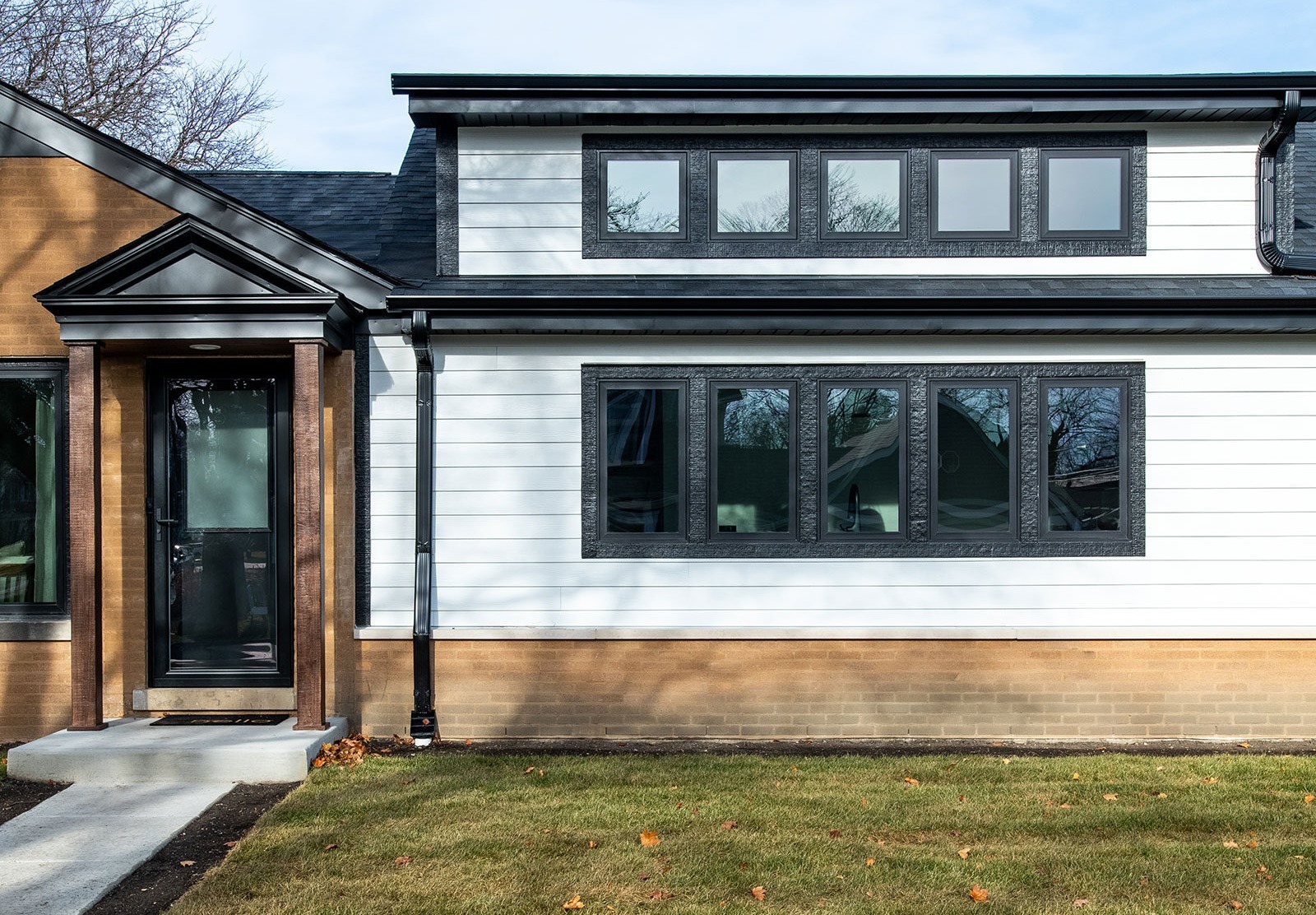
A young family returning to Arlington Heights found a corner‑lot ranch in a great school district, but its dark, cramped layout did not fit how they lived. They partnered with Patrick A. Finn’s design‑build team to reimagine the home with a whole‑house remodel and a carefully integrated 6‑foot front addition.

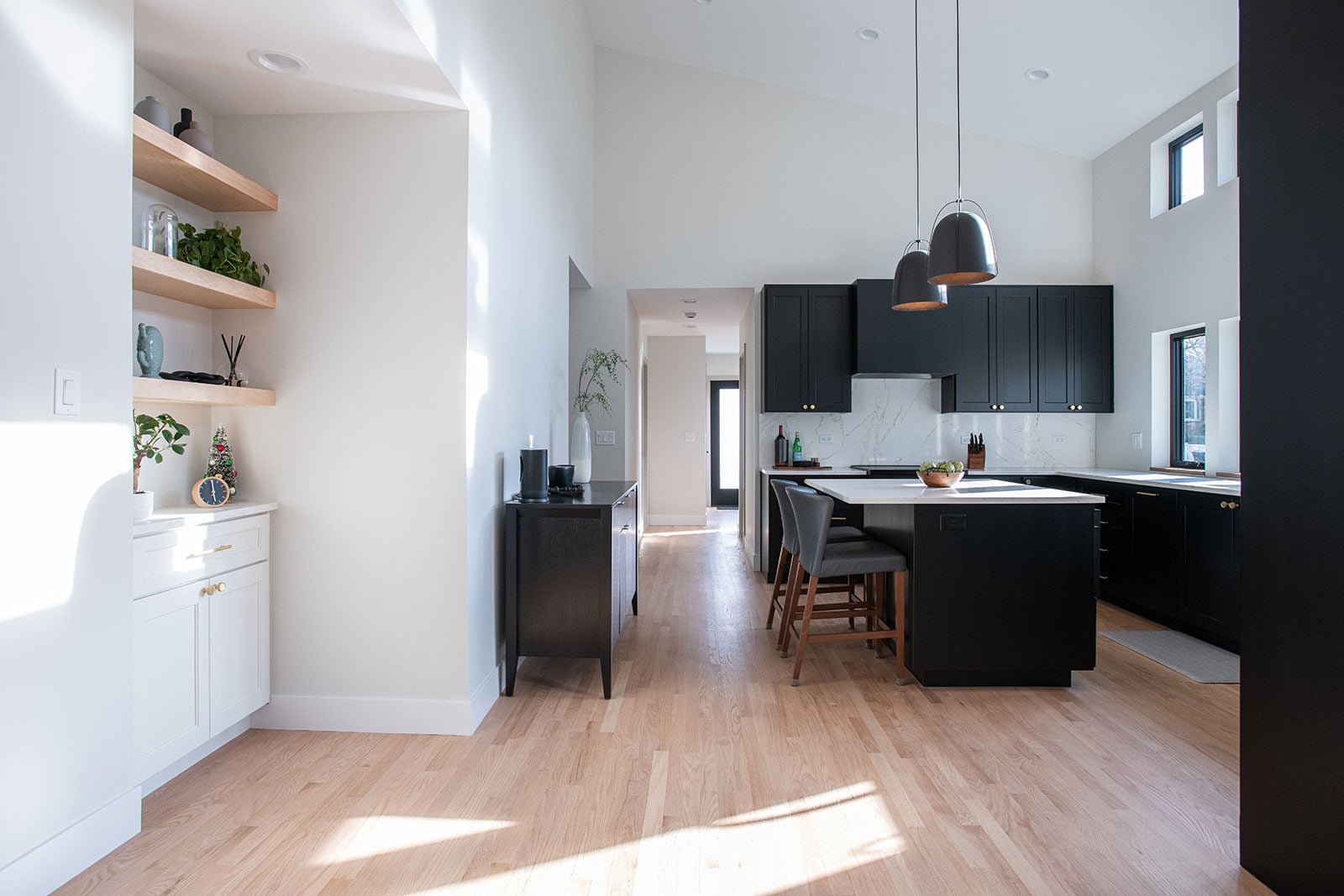
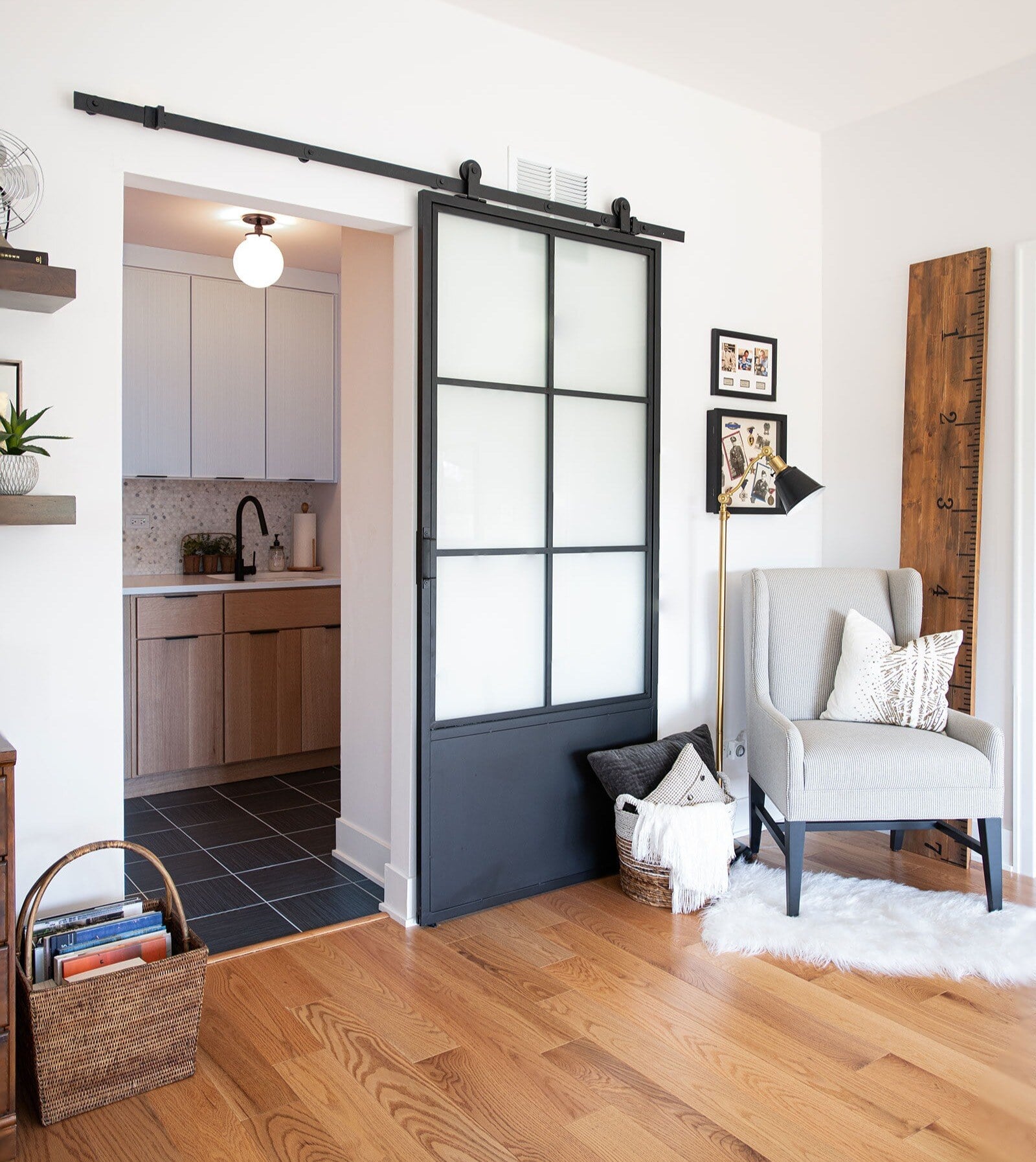
The new design nearly doubled the kitchen’s size, added a vaulted ceiling and clerestory windows to bring in natural light, and created an open connection between the kitchen and living areas. A first‑floor laundry room, dedicated home office, expanded primary bedroom, and larger primary closet were woven into the existing footprint, turning a segmented plan into a bright, functional main floor.

This award-winning transformation earned Patrick A. Finn a Remodeler of the Year Award from the National Association of the Remodeling Industry for an entire‑house project in the $250,000–$500,000 category, recognizing the project’s thoughtful design, structural complexity, and craftsmanship.

finn-s-vail-before-during-after-GIF_(1500 x 800 px)

Family‑Friendly Basement Transformation in Glenview, IL

In Glenview, a young family wanted to turn their unfinished basement into a space that worked just as well for the kids as it did for the parents. Their vision was a flexible lower level that felt safe and playful for young children now, but could evolve into a cool, functional hangout as they grew.

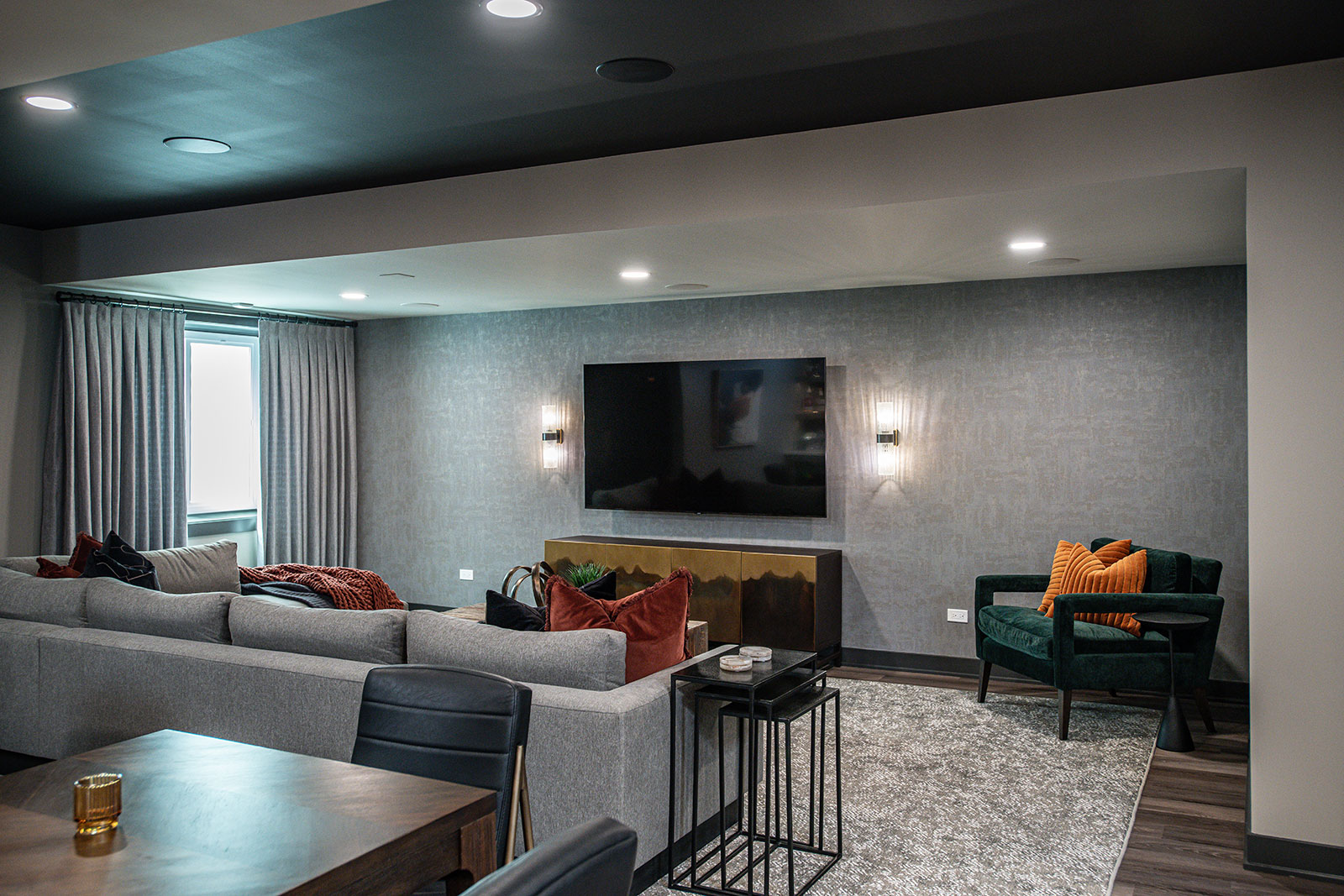
The design‑build team at Patrick A. Finn delivered a well‑balanced renovation with dedicated zones: a private home gym, a sound‑dampened music room, a convenient powder bath, and a cozy entertainment and play area.

The in‑home gym features sleek black metal and glass sliding doors that elevate the look while providing security; the doors can be locked to keep curious little ones out when equipment is in use. Inside, rubber flooring and a full mirrored wall create a durable, professional‑feeling workout space just steps from the main living areas.

For the musician homeowner, the team built a dedicated music room with specialized insulation and an exterior‑grade, extra‑thick door with full weather stripping to buffer sound, allowing band practice without disrupting bedtime routines upstairs.

A new powder room supports the family’s time downstairs, while the main entertainment zone offers a cozy movie‑watching area and plenty of room for toys, games, and even shooting hoops.

Together, these spaces turn the basement into a true multi‑purpose retreat that can grow with the family over time.

PAF-Robincrest-013-edited
PAF-Robincrest-034
PAF-Robincrest-022
PAF-Robincrest-027
PAF-Robincrest-music-studio-featured-image
PAF-Robincrest-016-1
PAF-Robincrest-011

Attic‑to‑Primary Suite Transformation in Arlington Heights

In Arlington Heights, the owners of a 1920s bungalow had a partially finished attic that felt more like an afterthought than part of the home. They envisioned turning that hidden space into a true primary suite—a quiet retreat that honored the bungalow’s character while adding modern comfort.

Working within the existing roofline, the design‑build team transformed the attic into a full suite with a bedroom, a cozy living area anchored by a wood‑burning stove, a dedicated laundry nook, and a thoughtfully designed primary bathroom. Sloped ceilings shaped the layout: higher areas became standing zones, while lower sections were turned into built‑in storage and shallow closets, with hidden compartments tucked behind magnetic plywood doors to use every inch of space.

To keep the suite comfortable year‑round, a retrofitted SpacePak air‑conditioning system and radiant baseboard heat were integrated into the design, pairing modern performance with the home’s historic envelope. In the bathroom, a calm, Scandinavian‑inspired palette and tailored storage solutions balance everyday function with a serene, spa‑like feel that still suits the 1920s architecture.

What was once an overlooked attic is now the heart of the home: a primary suite that adds livable square footage, reflects the owners’ routines, and gives this bungalow an entirely new chapter without sacrificing its original charm.

PAF-W-Park-Place-007
PAF-W-Park-Place-003
PAF-W-Park-Place-031
PAF-W-Park-Place-016
PAF-W-Park-Place-023
PAF-W-Park-Place-028

A Smarter Way to Remodel

Design‑build remodeling gives homeowners a more unified, predictable path from first ideas to finished construction by bringing design, planning, pricing, and building under one team. For larger renovations in the Chicago Metropolitan Area—especially whole‑house remodels, additions, kitchens, and projects that require thoughtful coordination—that integrated approach can reduce stress, improve communication, and lead to a more cohesive final result.

For homeowners who value craftsmanship, transparency, and a process that respects both lifestyle and long‑term investment, Patrick A. Finn offers a design‑build experience built around careful planning and lasting quality. Whether you are just starting to explore possibilities or are ready to move forward, the next step is to gather the right information and talk with a team that can help you see what is possible for your home.

Start Planning Your Dream Home

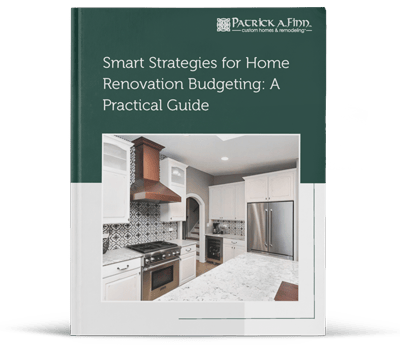
If you are early in the process and want a better understanding of Patrick A. Finn’s approach, download Patrick A. Finn’s Ultimate Blueprint to Creating Your Dream Home to learn more about the design‑build process, what to expect, and how to plan a renovation with clarity. 

If you are ready to discuss your own goals, schedule a complimentary discovery call with Patrick A. Finn to talk through your wants, needs, and objectives with the team.