.png)
Listen to the Blog Post
One of the most common questions homeowners ask is simple on the surface but layered in reality: how do you add living space without building a home addition?
For many homeowners in the northwest Chicagoland area, especially those planning for a growing family or changing needs among family members, the answer already exists within the walls of their existing home. Basements, attics, oversized formal rooms, garages, and dated layouts often contain square feet that add little day-to-day value. With the right home renovation approach, these areas can be reworked to add space in ways that are cost-effective, practical, and aligned with long-term goals.
Before committing to the cost and complexity of a home addition, it is worth reassessing the home you already have. A whole-home design approach often reveals opportunities to improve how existing space functions before building more, while also protecting your home’s value and resale value.
Table of Contents
1. How Reworking the First Floor Can Add Living Space
2. Connecting Indoor and Outdoor Areas to Expand Living Space
3. How Second Floor Layout Changes Can Add Living Space
4. Finding Living Space in Closets, Lofts, and Unused Storage
5. When an Attic Can Become a Functional Living Space
6. Turning a Basement Into a Flexible Living Space
7. Adding Living Space Without an Addition Through Smart Planning
How Reworking the First Floor Can Add Living Space
Reworking the layout of the first floor is often the most effective way to add living space, as it reshapes how the home functions day-to-day without increasing square footage.
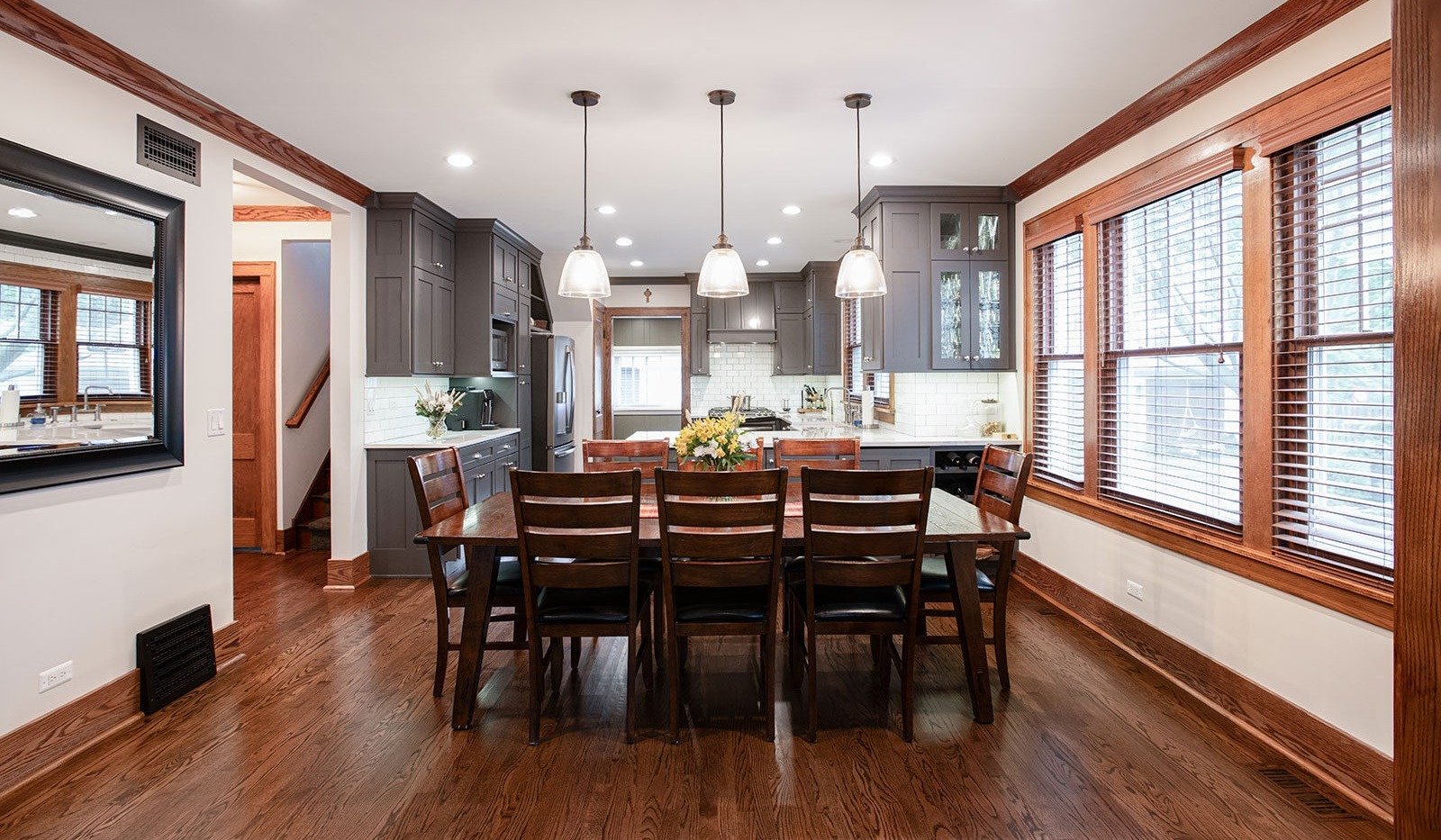
Many homes in the northwest suburbs were designed with formal living rooms and dining rooms that take up significant space and are rarely used. In some cases, the front dining room is larger than the family room, even though it may only host a few gatherings each year.
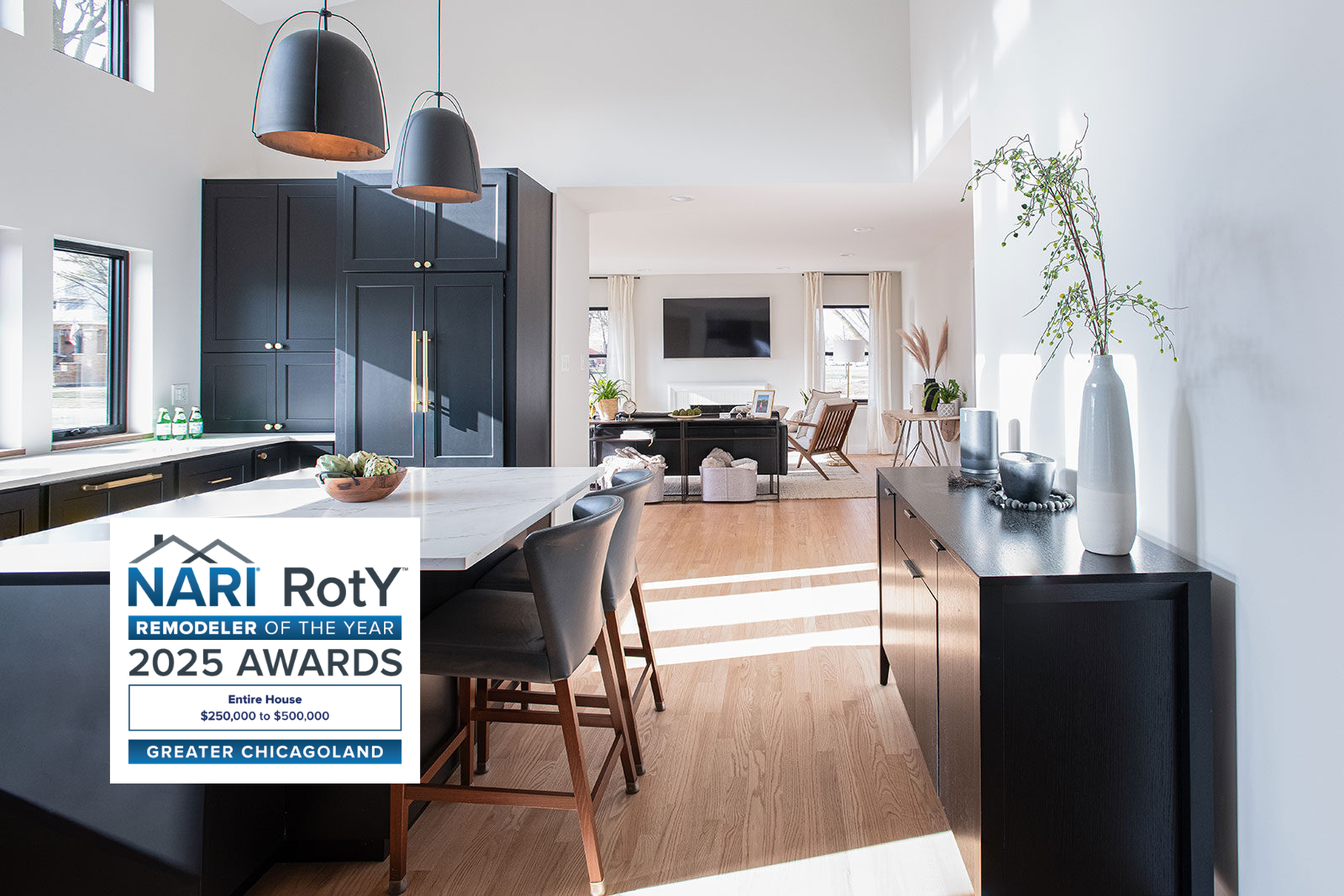
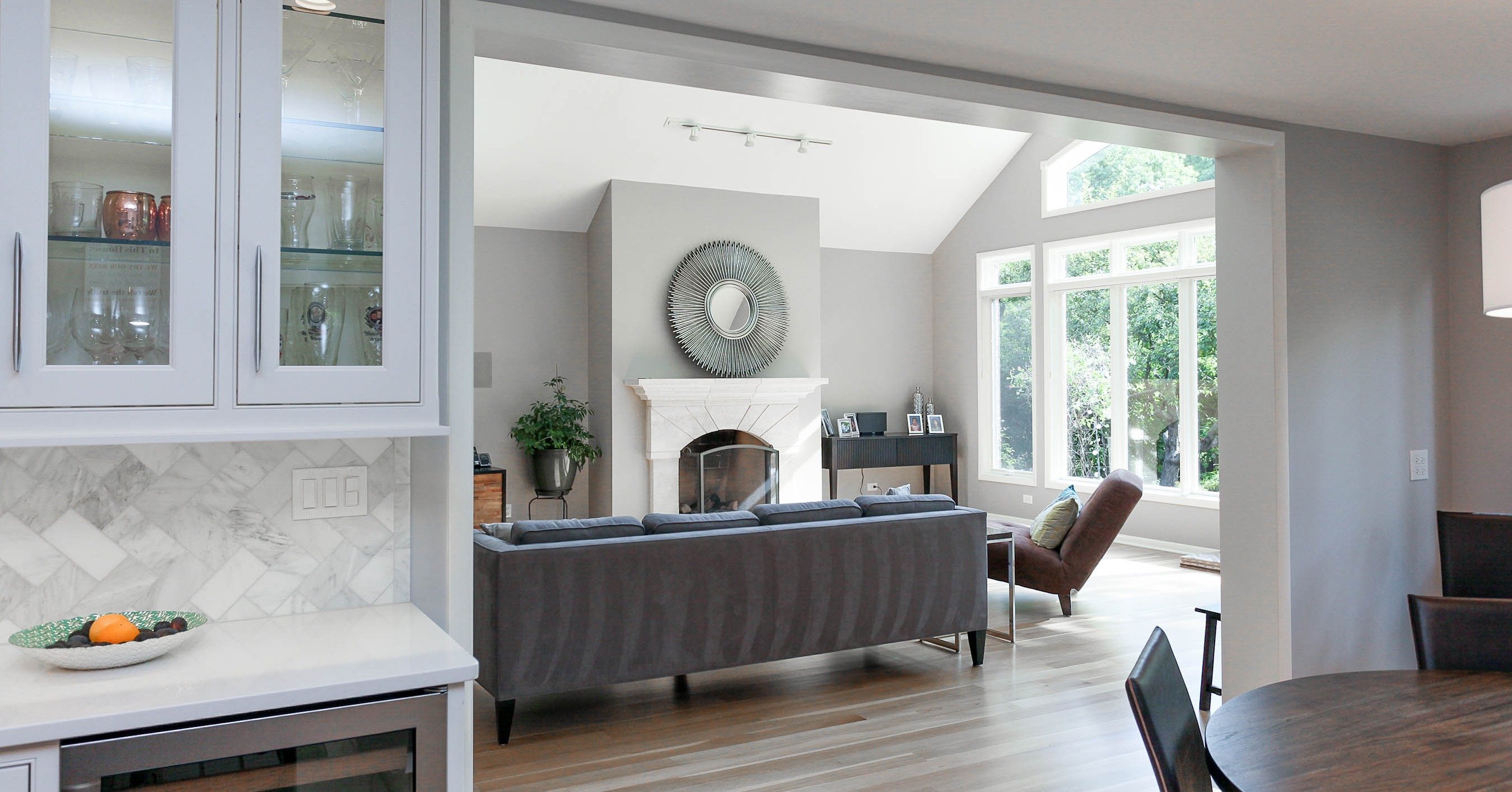
By reconsidering how the kitchen, living room, and dining room relate to one another, homeowners can often replace three disconnected rooms with two well-proportioned living areas or one shared space that supports cooking, gathering, and the everyday rhythms of family life. This type of renovation can be more cost-effective than an add-on or bump-out and often delivers a strong return on investment.
As part of this work, it’s also a great time to address additional gaps you may have and incorporate practical upgrades such as:
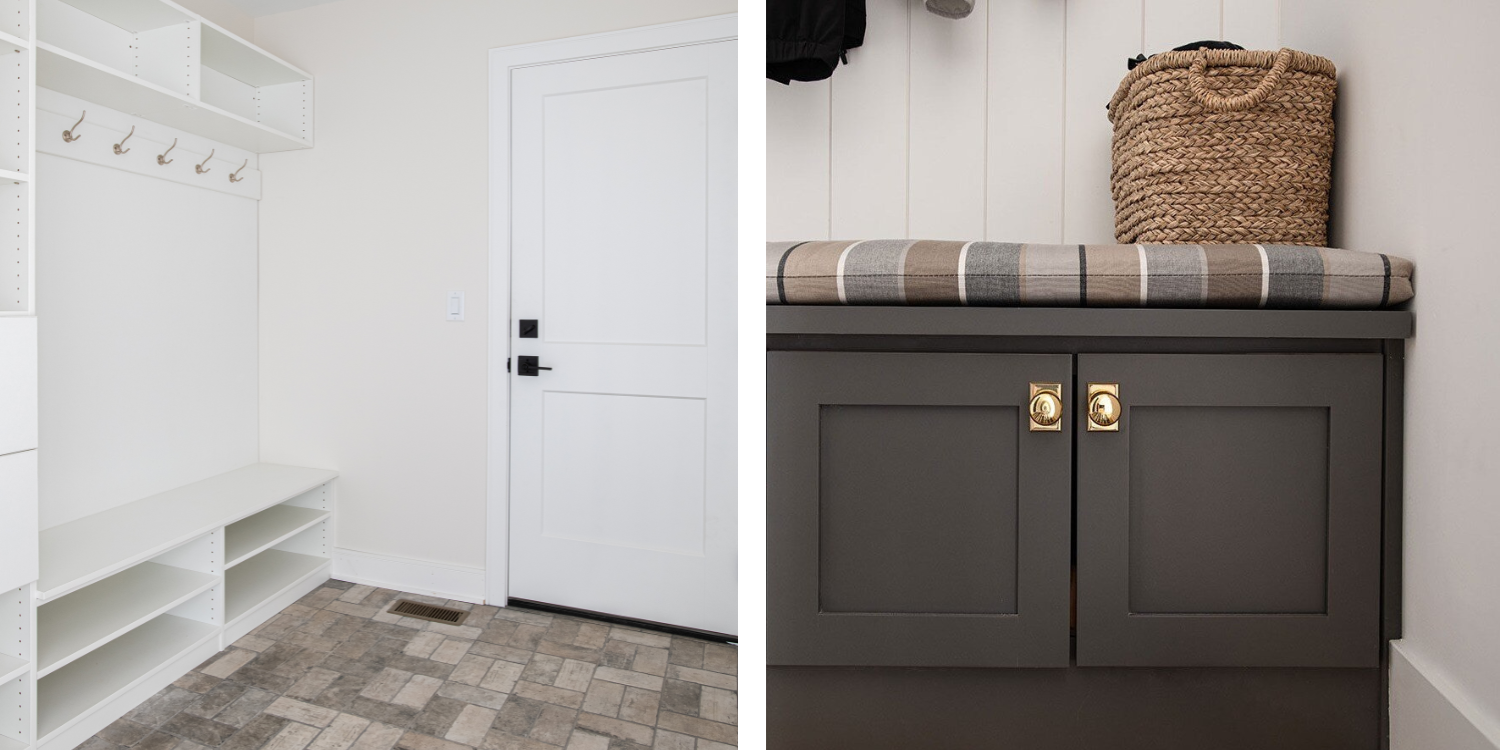
- A mudroom or drop zone that gives coats, bags, shoes, mail, and packages a dedicated place, keeping clutter from spreading into living areas
- A first-floor laundry room that makes day-to-day washing easier by keeping it close to where life happens
- Improved circulation that reduces traffic bottlenecks and makes it easier for family members to move through the space at the same time
While these changes do not increase square footage, they do add space in ways that improve daily life.

Connecting Indoor and Outdoor Areas to Expand Living Space
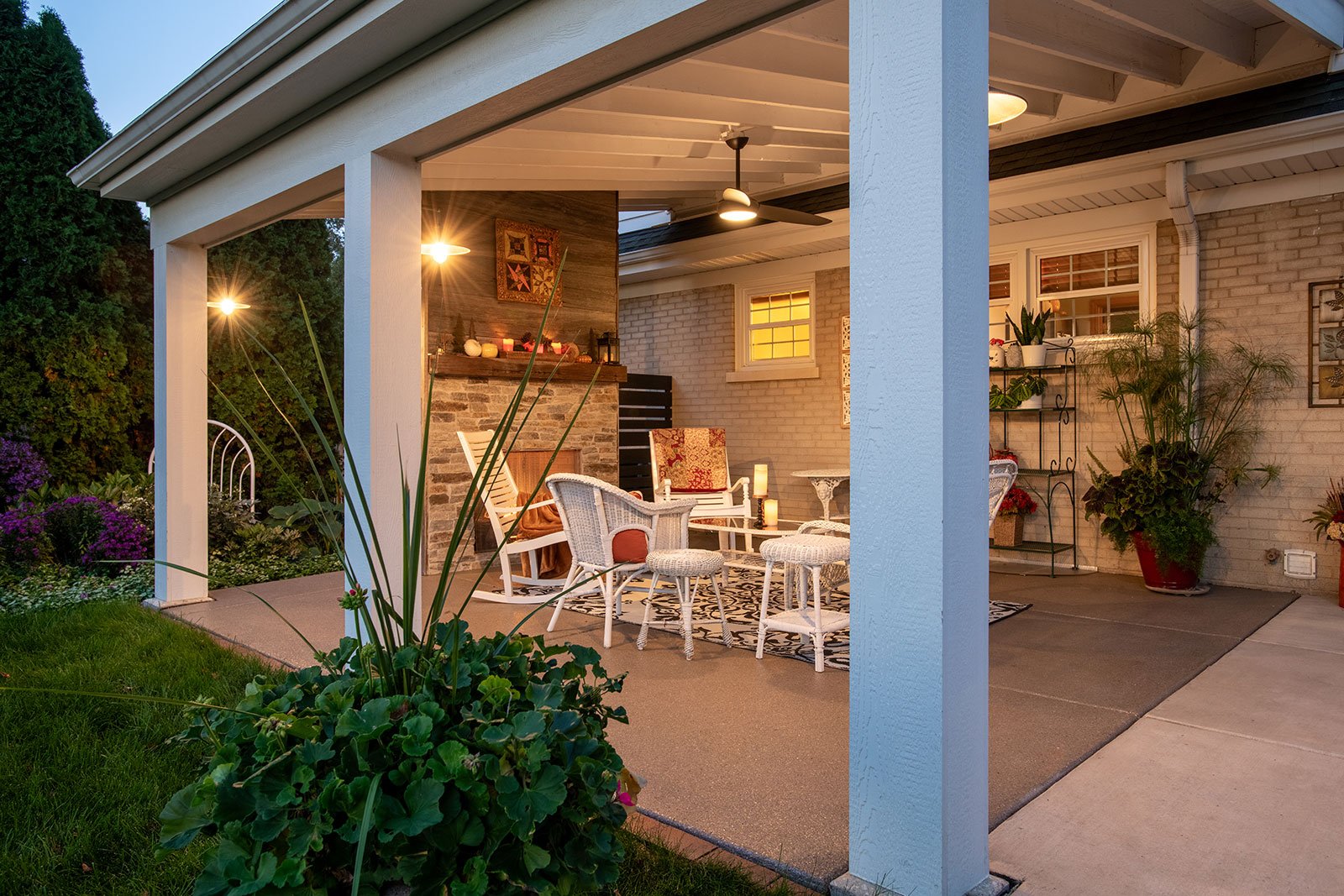
Adding living space is not limited to interior walls. In many homes, it depends on how indoor rooms connect to outdoor living areas.
During a first-floor renovation, adjusting door locations, increasing natural light by adding new windows, or improving access to the backyard can dramatically change how the home feels and functions year-round. In some cases, relocating and enlarging a rear entry can help extend usable space without expanding the home’s footprint.
Thoughtful transitions between indoor spaces and outdoor living areas help homeowners get more use out of patios, decks, and yards while making the interior feel more open and usable.
How Second Floor Layout Changes Can Add Living Space
On the second floor, the focus shifts from how much space exists to how that space is divided.
By redistributing existing rooms, homeowners can add living space that better supports privacy, work-from-home needs, and daily routines without moving walls outward. Underused lofts, oversized closets that aren’t in the right location, and awkward storage areas often provide the extra space needed to create:
- A primary suite
- Second-floor laundry
- An extra bedroom or guest bedroom
- A dedicated home office
- An additional or expanded shared hall bath
Looking at the second floor as a whole, rather than room by room, often reveals opportunities that are easy to miss when thinking in isolation.
Finding Living Space in Closets, Lofts, and Unused Storage
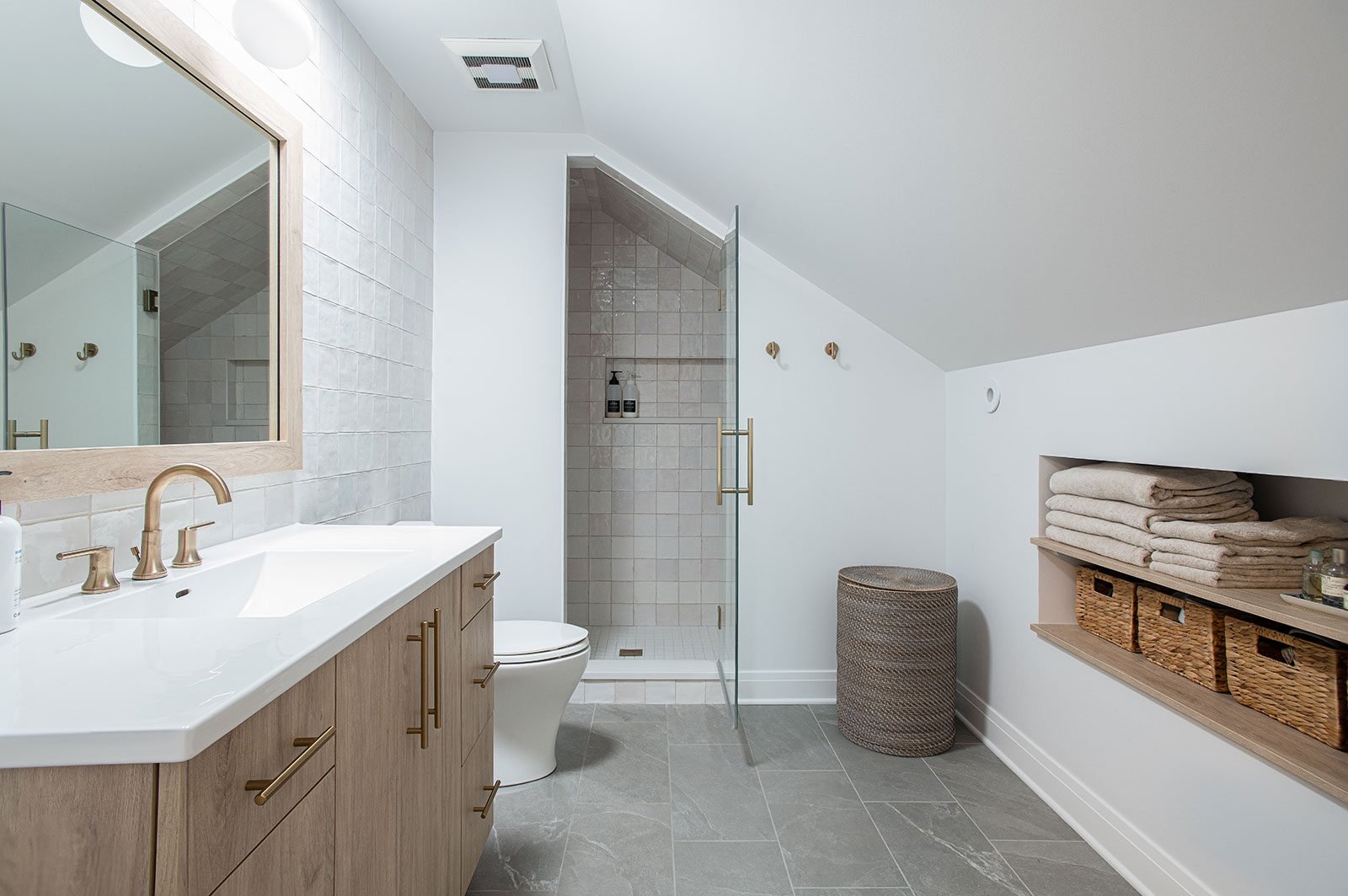
Many older homes include square footage in areas that may not serve a clear purpose, such as awkwardly shaped closets that are hard to access, lofts that end up as catch-all spaces simply because they do not provide enough privacy to be used intentionally, or storage areas that interrupt the flow of a space.
By combining or reworking these areas, homeowners can add living space that feels intentional rather than leftover. Because this work relies on existing space, it often requires less structural intervention than expected and can support uses such as a playroom, home gym, or flexible guest suite without the expense of building new structure.

When an Attic Can Become a Functional Living Space
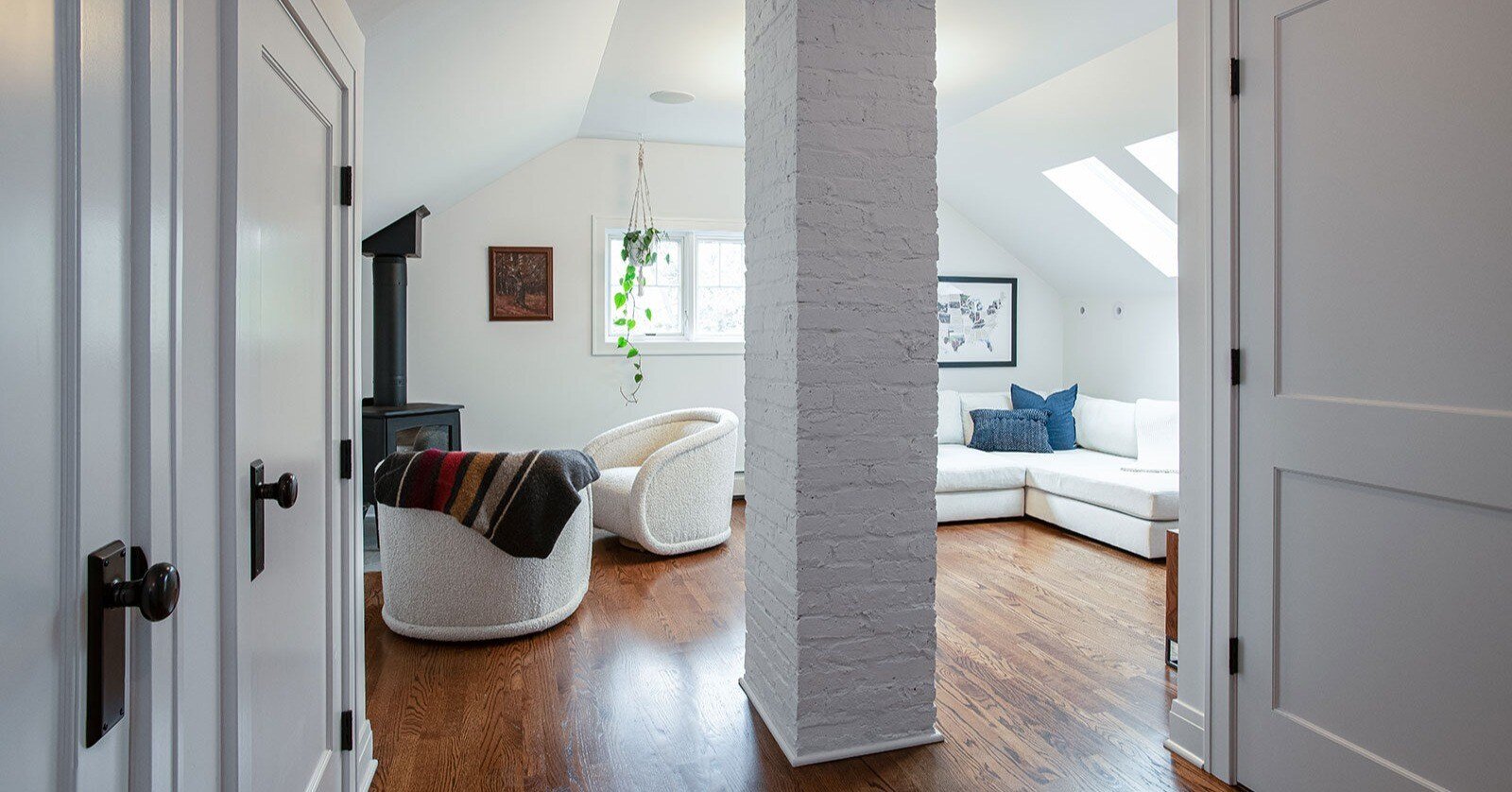
Not every attic can be made into a livable space, but when conditions allow, finishing an attic can add significant living space without expanding the main house's footprint.
The type of home you have matters. In two-story colonials, attic head height is often limited, sometimes making only a portion usable. In bungalows, attic volumes are often more generous and better suited for finished areas.
When considering an attic project, several realities should be addressed early:
- Floors and rafters may need reinforcement
- Insulation strategies can reduce usable height
- Stair access must meet current code requirements
Clarifying these factors early helps homeowners understand whether an attic renovation makes sense compared to other home remodeling ideas.

Turning a Basement Into a Flexible Living Space
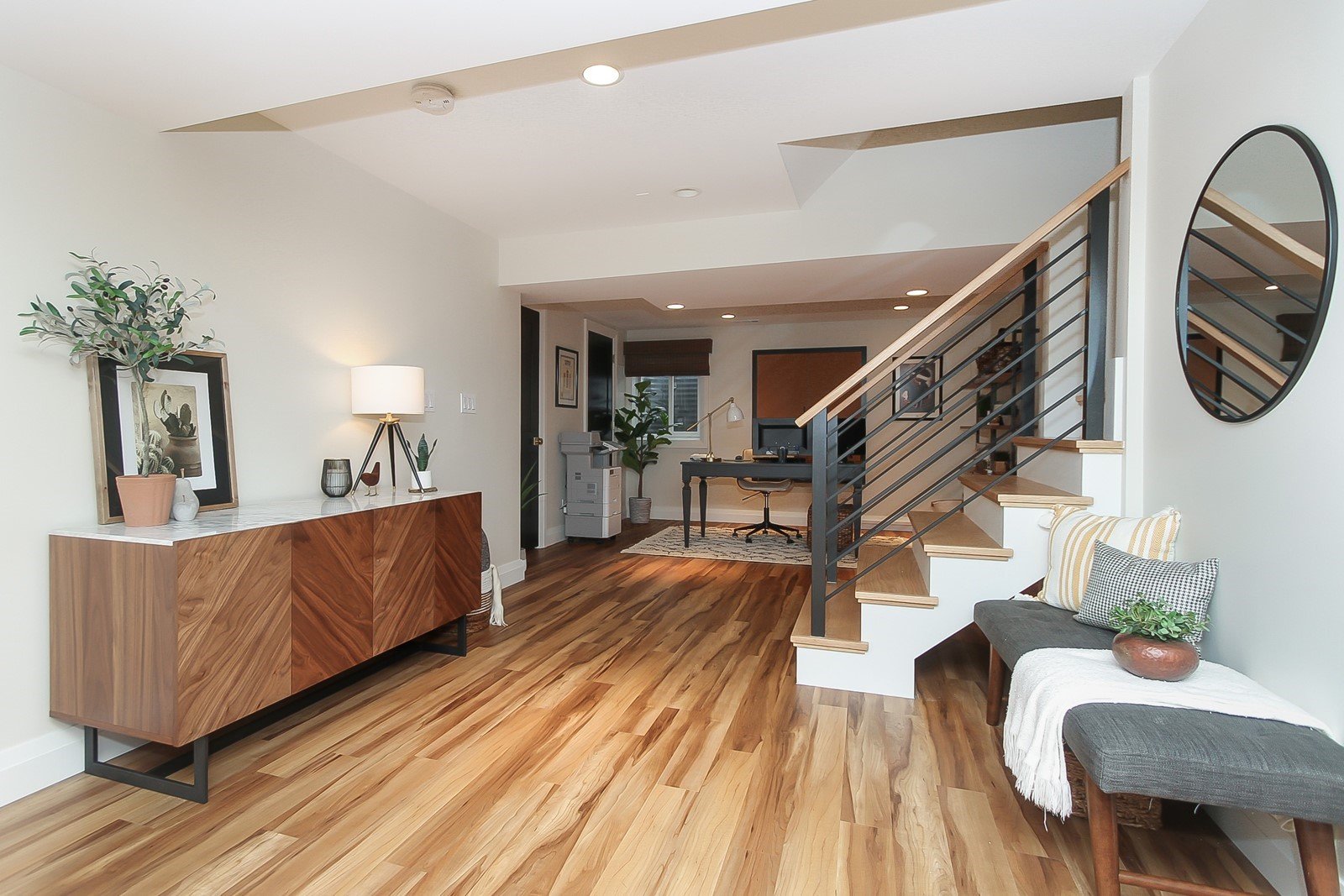
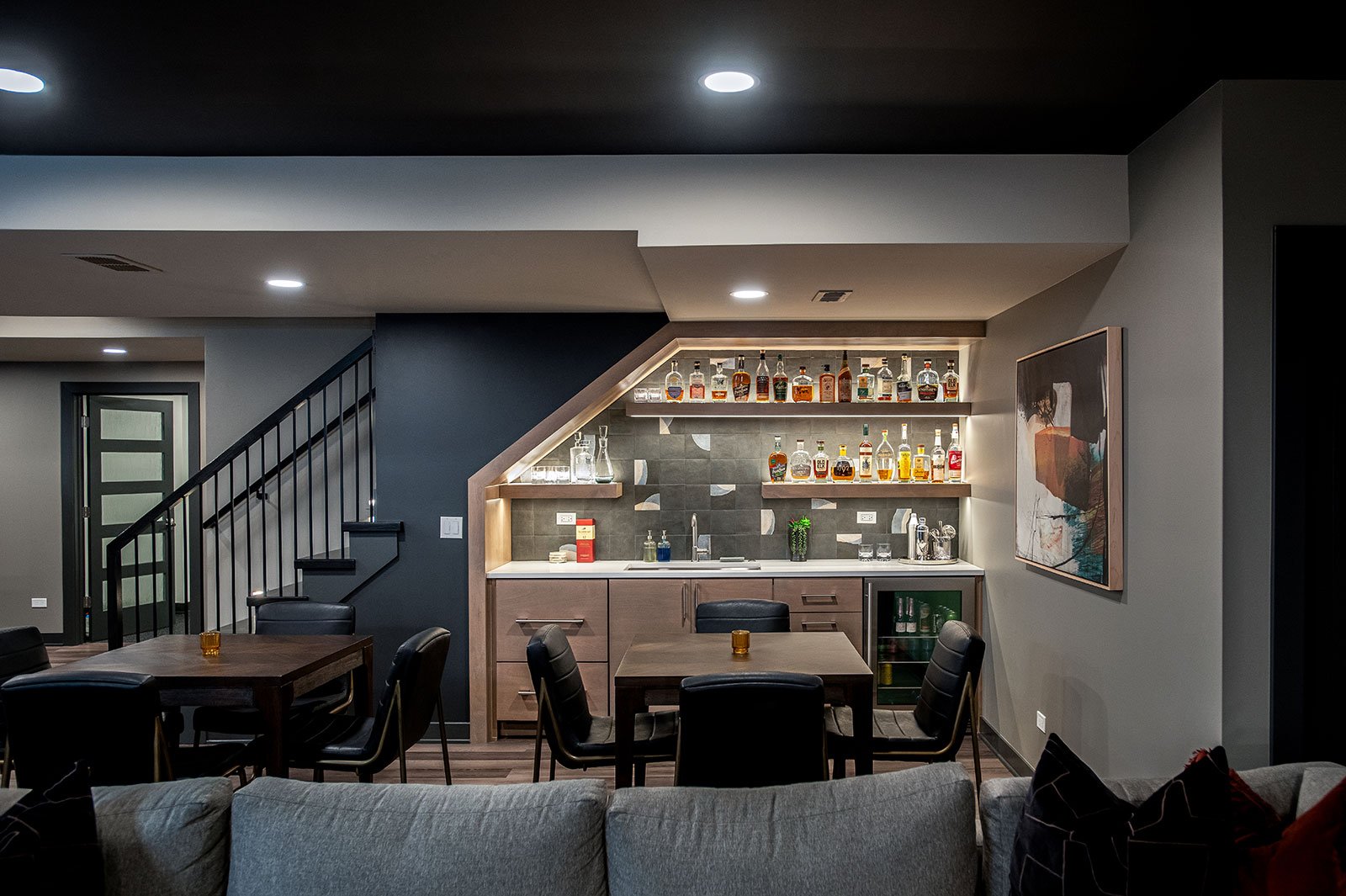
Basements are often the most straightforward way to add living space because the exterior structure already exists. In many homes, this area presents fewer structural barriers than other options and can be a great way to increase property value.
That said, long-term planning matters. A basement home office or recreation space requires fewer code requirements than repurposing it into a bedroom. Adding sleeping areas below grade introduces considerations such as egress, closet dimensions, and fire separation.
Designing the space with flexibility in mind allows it to adapt as family needs change. A layout that works when children are five should still function when they are fifteen, or when the space later shifts to hobbies, guests, or quiet retreat areas.
.png?width=1500&height=1000&name=n-beverly-basement-renovation-media-zone%20(8).png)
Adding Living Space Without an Addition Through Smart Planning
Before committing to an addition, it is worth looking closely at how you can add living space by repurposing square footage you already have. Many homeowners become blind to possibilities within their own homes simply because they live there every day.
This is where an experienced design-build partner adds real value. A thoughtful team will walk through multiple scenarios you may not have considered and explain what is possible before decisions are locked in. It is far easier to evaluate options early than to learn later that a better solution was available.
Often, the most practical way to add living space is not by building more, but by using what you already have with greater intention.
For homeowners who want to explore these possibilities in greater depth, thoughtful residential space planning can reveal opportunities hidden throughout the home. Areas that once felt cramped or underused often become the starting point for smarter design solutions.
To learn how to evaluate your home more strategically, download the eBook Residential Space Planning: How to Create More Room Without an Addition, A Homeowner’s Guide to Seeing Your Home in a New Way. It walks through the ways experienced designers assess existing homes, identify overlooked opportunities, and help homeowners make confident decisions before committing to major structural changes.
Download the guide and start seeing the potential within your home.