<img height="1" width="1" style="display:none" src="https://www.facebook.com/tr?id=3789014914652380&amp;ev=PageView&amp;noscript=1">
Search our site ...
  • There are no suggestions because the search field is empty.

Residential Space Planning: How to Create More Room Without an Addition

A Homeowner’s Guide to Seeing Your Home in a New Way

At some point in homeownership, many families begin to feel the limits of their interior space. The living room does not work the way it used to. The dining room feels tight when guests gather. The basement has turned into a maze of storage bins. Someone is working from the bedroom again because there is no dedicated home office. You look around and think the same thought that countless homeowners in the Northwest Chicago suburbs have had before: we need more room.

The first instinct is often to assume that an addition is the only way forward. Yet in many homes, the space people are looking for already exists. It may be tucked into unused corners, sitting dormant in an attic, waiting in a basement that has never reached its potential, or hidden behind a floor plan that has remained unchanged for decades.

This guide is designed to help you understand how thoughtful residential space planning can reveal those opportunities. With the right approach to home design, it becomes possible to improve flow, open up traffic areas, and create zones that support how your family actually lives.

The goal is not to add more house, but to make better use of the house you already have.

PAF-S-Kaspar-024

Download Your Personal Copy of This Guide!

Residential Space Planning cvr


Download Here

Understanding the Difference Between Feeling Cramped and Being Out of Space

 When families first reach out to us, they often describe a feeling more than a specific issue. Rooms feel cramped. Spaces feel disorganized. Daily routines feel harder than they should. Most assume the home itself is simply too small. 

Our design-build approach starts by asking targeted questions about how homeowners move through their space and where friction shows up most often.

From this, patterns begin to emerge. In many cases, the challenge is not square footage; it is the layout and a floor plan that no longer reflect how the home is used.

Does your home have an attic with the height and structure to support an additional living space? Perhaps a dining room wall divides the first floor, limiting how the kitchen and living areas work together.

Hallways, corners, and oddly proportioned rooms often contribute more to the sense of crowding than homeowners realize.

Our role is to help families slow down and see these conditions clearly. Once they do, the conversation shifts from frustration to possibility.

park-place-storage-laundry

Recognizing Underused Areas in Your Home

Homes rarely advertise their unused space. Instead, the signs show up in subtle, familiar ways:

  • A basement filled with stored items, but never used for living.

  • An attic with enough ceiling height to stand and walk comfortably, yet used only for storage.

  • You rely on one oversized room to do the work of many smaller ones, leaving it cluttered and chaotic.

  • Mechanical systems (HVAC, hot water heater) are inefficiently distributed throughout the basement or placed at the center of the space.

  • Wide hallways, unused corners, or rooms that feel disconnected from the rest of the home.

  • The kitchen and dining room are separated by a wall that creates an awkward traffic flow. 

In our experience, nearly every home contains at least one of these opportunities. Recognizing them is often the first step toward considering solutions.

PAF-Robincrest-001

Seeing Beyond the Floor Plan You Inherited

Many homeowners assume the layout of their home is fixed. Walls feel permanent. Room boundaries feel non-negotiable. The floor plan becomes something you work around rather than question.

But once homeowners begin to look more closely at how their space actually functions, that assumption starts to loosen. The right questions reveal that many layouts reflect how homes were used years ago, not how families live today.

Adding Bedrooms or Bathrooms Without Expanding the Footprint

One of the most common questions is whether bedrooms or bathrooms can be added without expanding the home’s footprint. In many cases, the answer is yes.

Through effective space planning, informed by more than 30 years of experience helping homeowners rethink how rooms connect, it is often possible to achieve a new layout without building outward.

Basement or Attic: Choosing the Right Opportunity

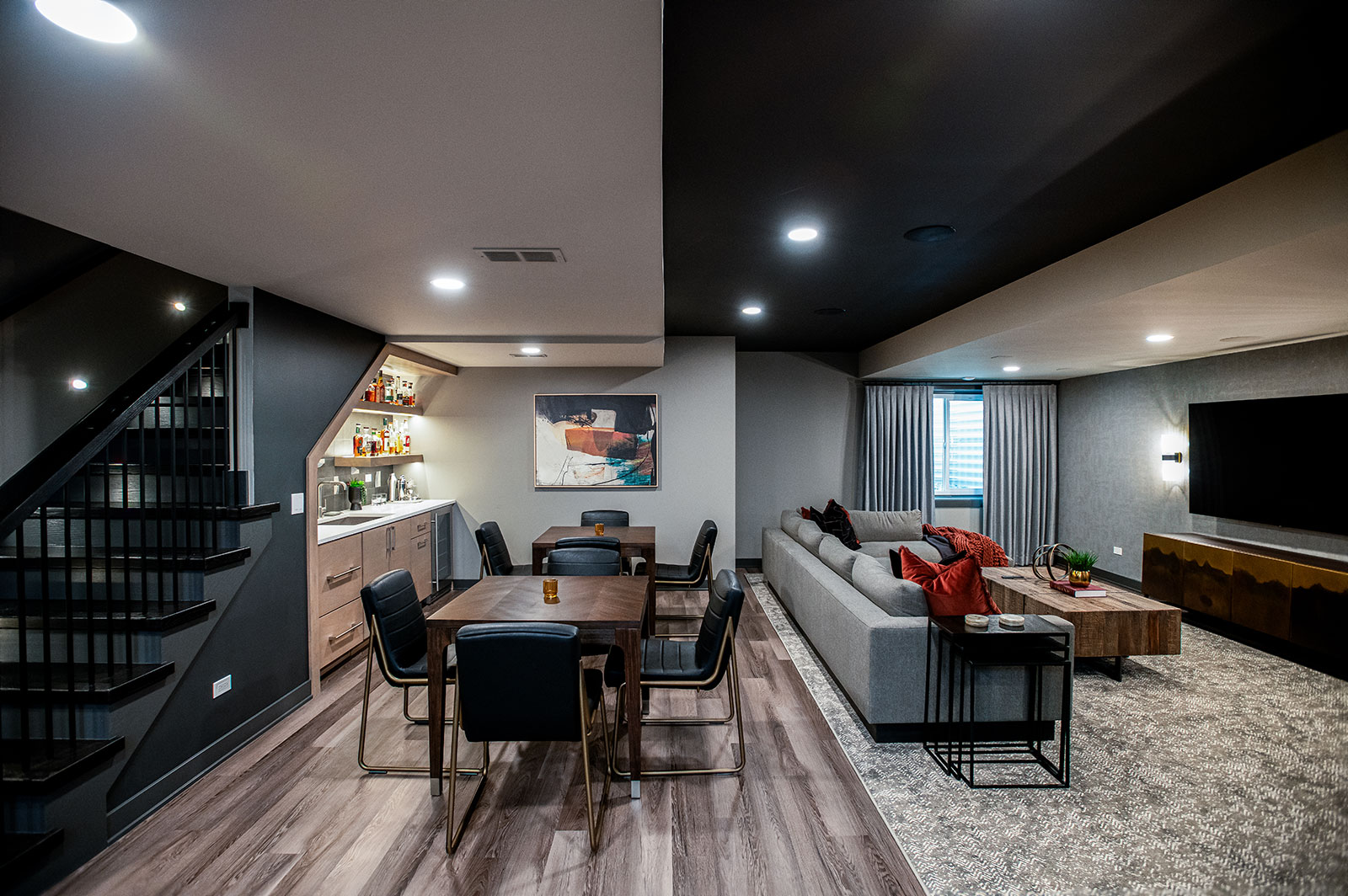
Another question that surfaces is whether the basement or the attic offers the better opportunity. A basement can offer ample square footage for an entertainment lounge, guest space, or a kids’ hangout.

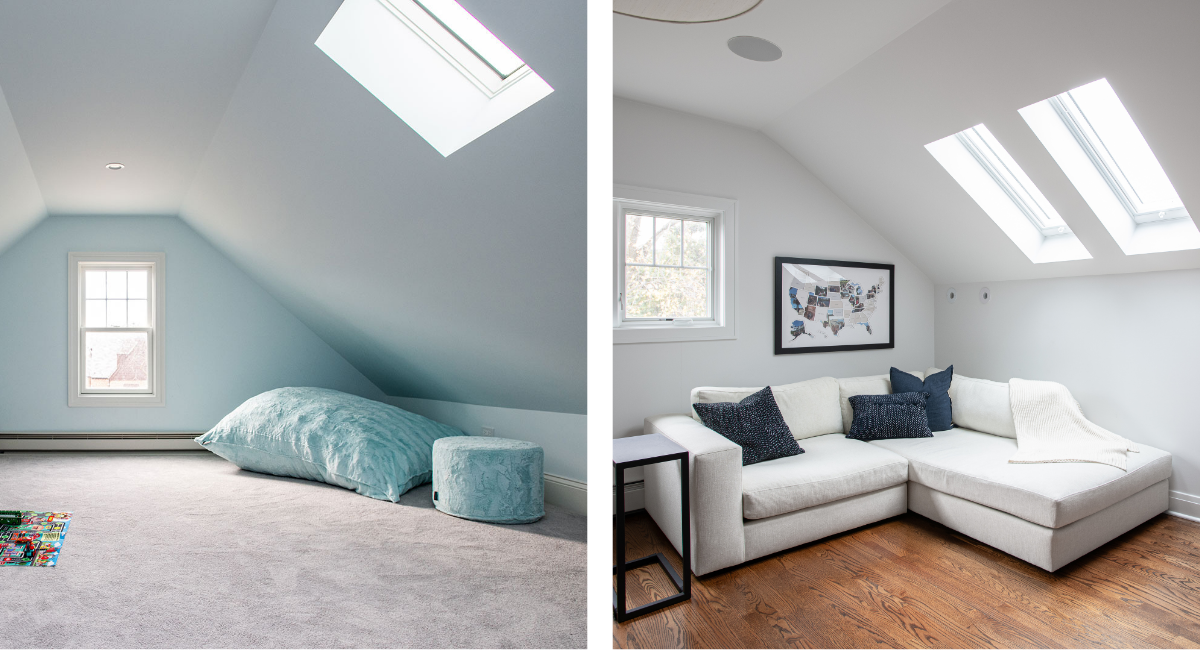
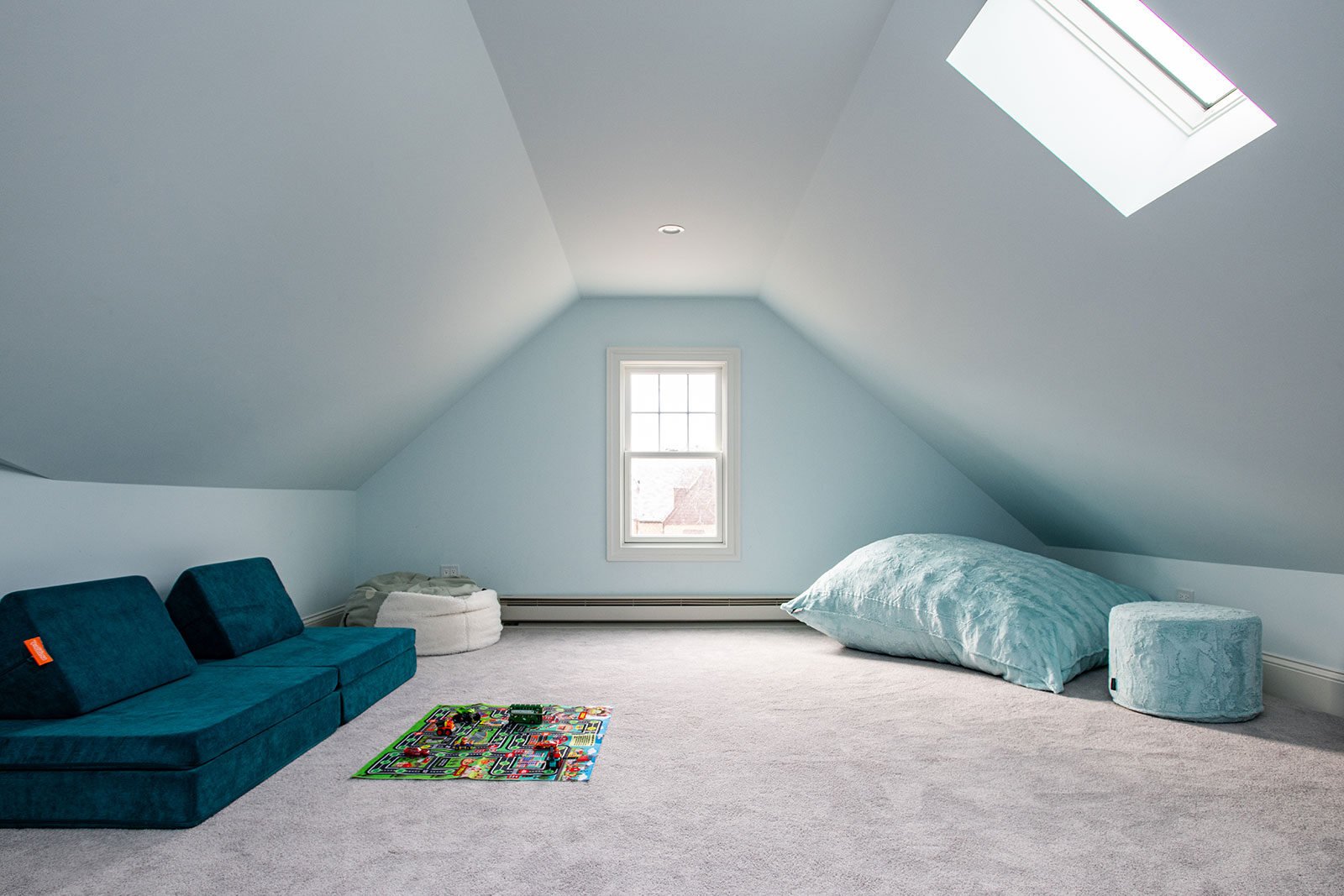
An attic may offer privacy, light, and separation that works well for a primary suite or flexible workspace. Each space has distinct advantages, and the right choice depends on how the home is used day to day.


PAF-S-Kaspar-008

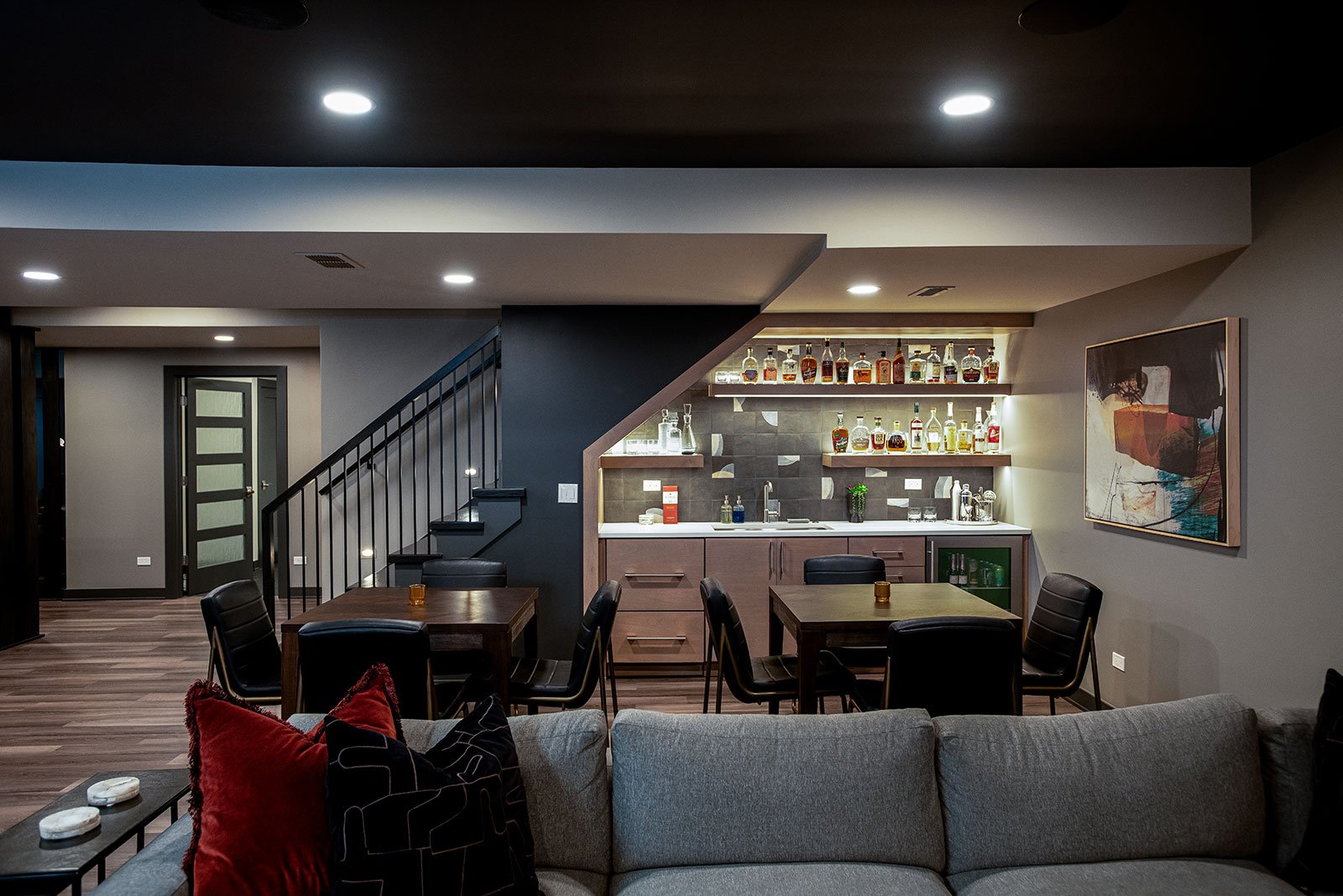
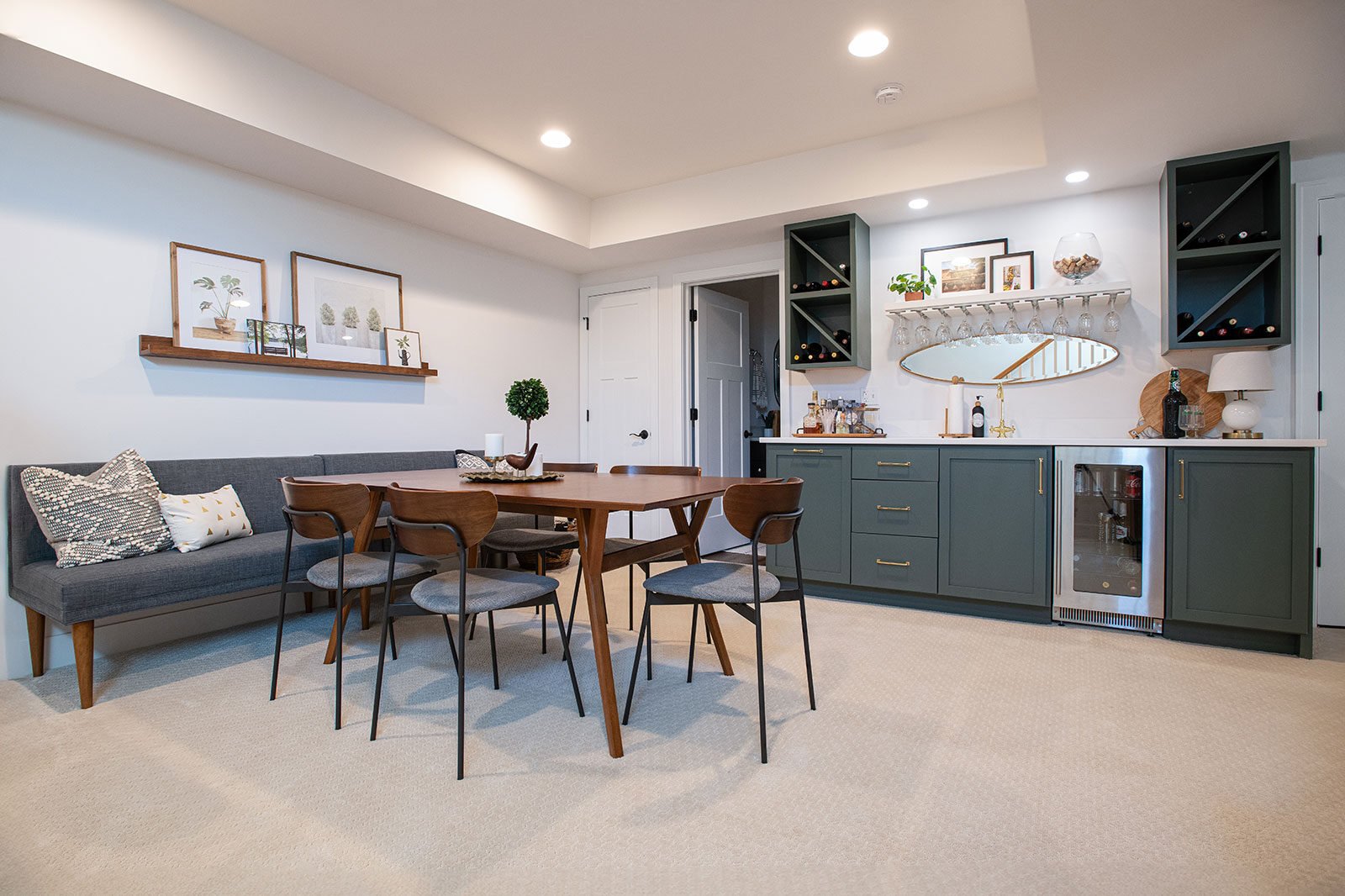
Explore how this underused basement was thoughtfully planned to support entertaining and working from home, with a dedicated space for wine storage, a TV lounge, a custom-built-in whisky bar, a wine tasting nook, a powder bath, and a quiet home office.  


Rethinking the First Floor

Questions about the first floor arise just as often. Many homeowners assume they need an addition to improve their kitchen or gathering space. More often, the challenge is flow. 

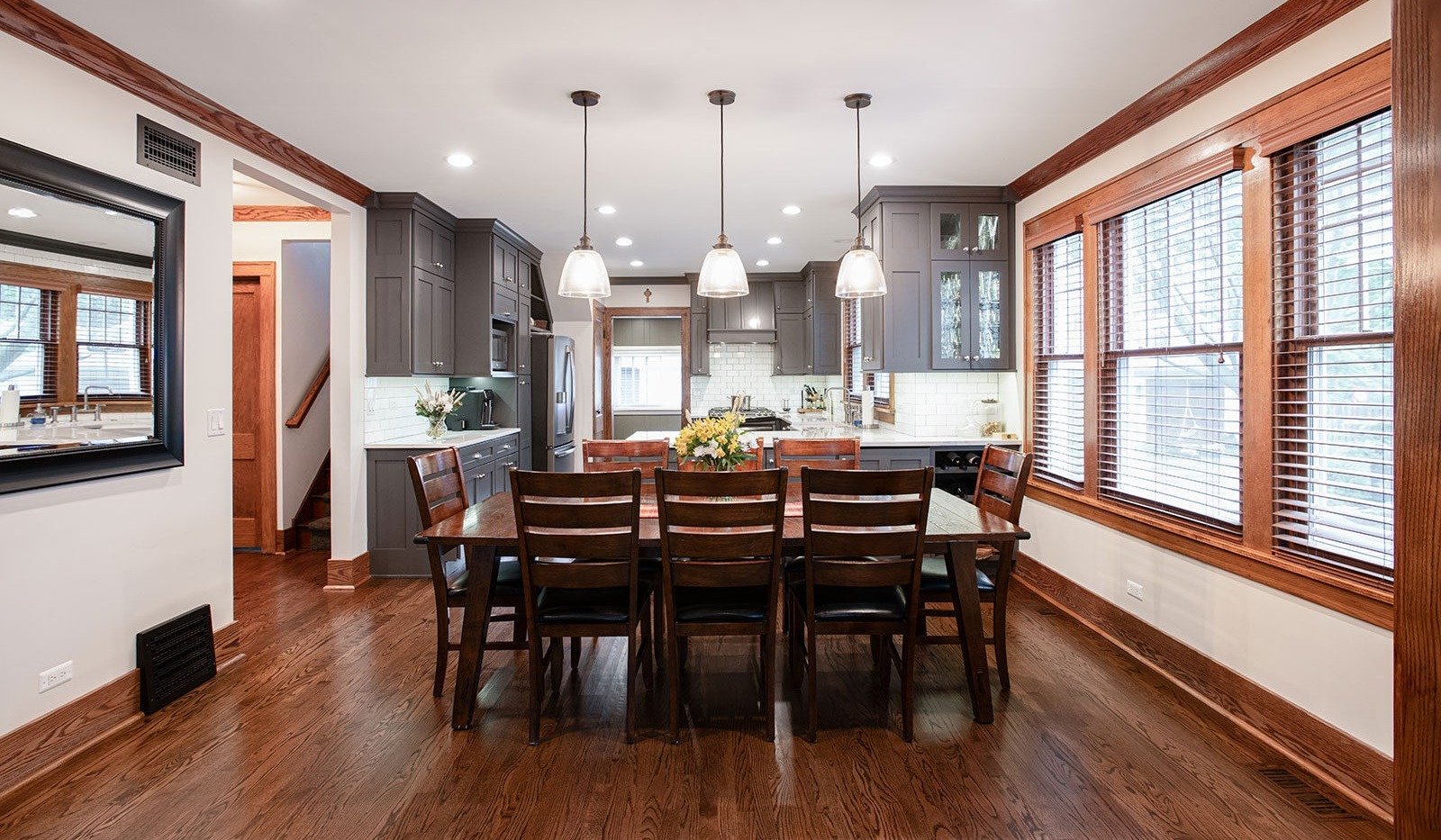
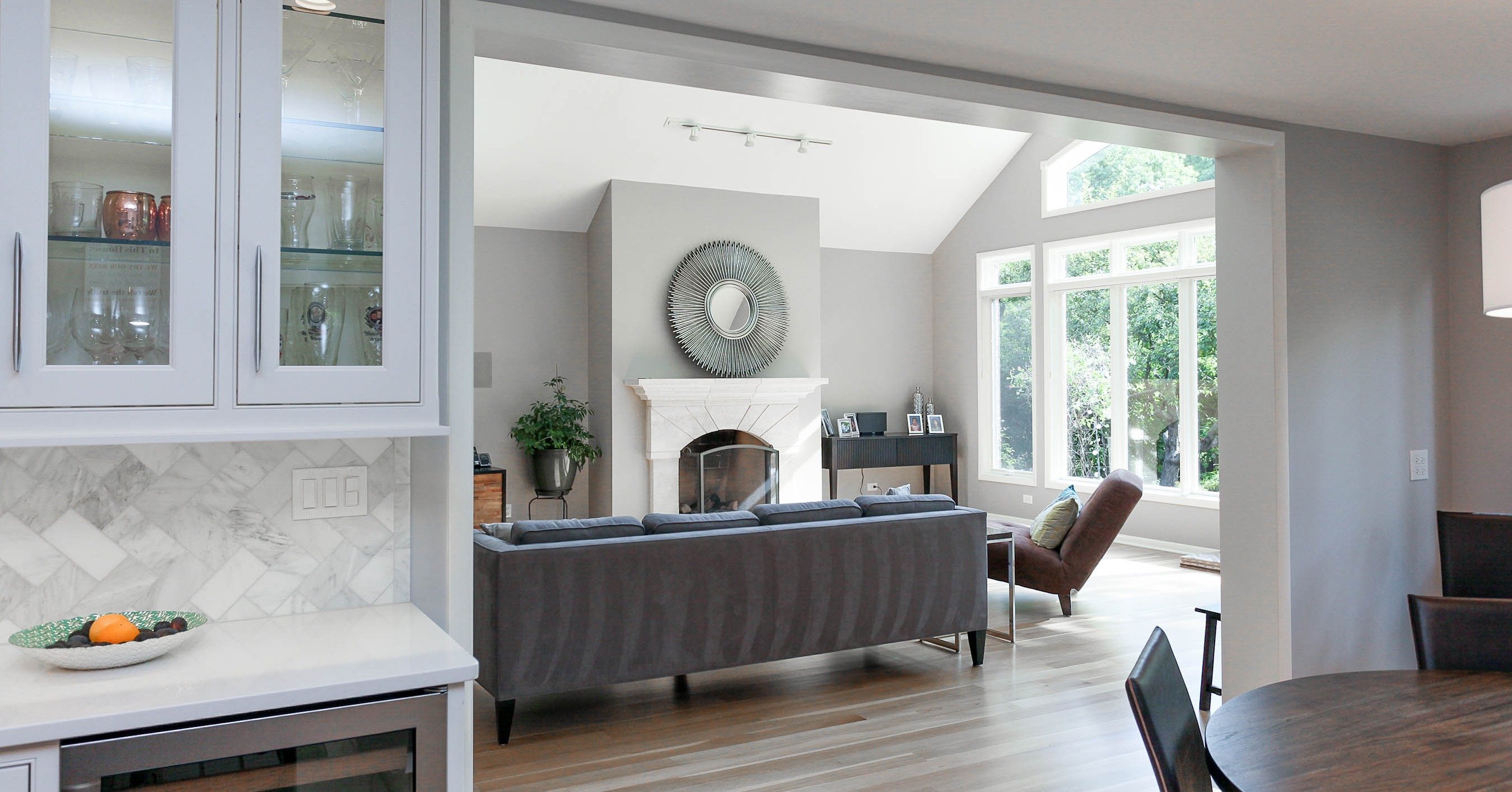
One family we worked with wanted a kitchen island and believed it was impossible without building out. By removing a single dining room wall, the first floor opened up, improving circulation, creating space for an angled island, and preserving the dining room they valued.

These moments are not about dramatic changes. They are about questioning assumptions, understanding how the home functions, and allowing the floor plan to evolve.

park-place-attic-before-after-drawings
PAF-W-Park-Place-015

What Basements and Attics Can Become With Proper Planning

Once vision begins to form, we help homeowners understand the practical considerations that come with finishing basements and converting attics. These discussions help separate what is aspirational from what is truly feasible.

A basement used only for storage can take up more emotional space than physical space. 

Rethinking the Basement as Living Space

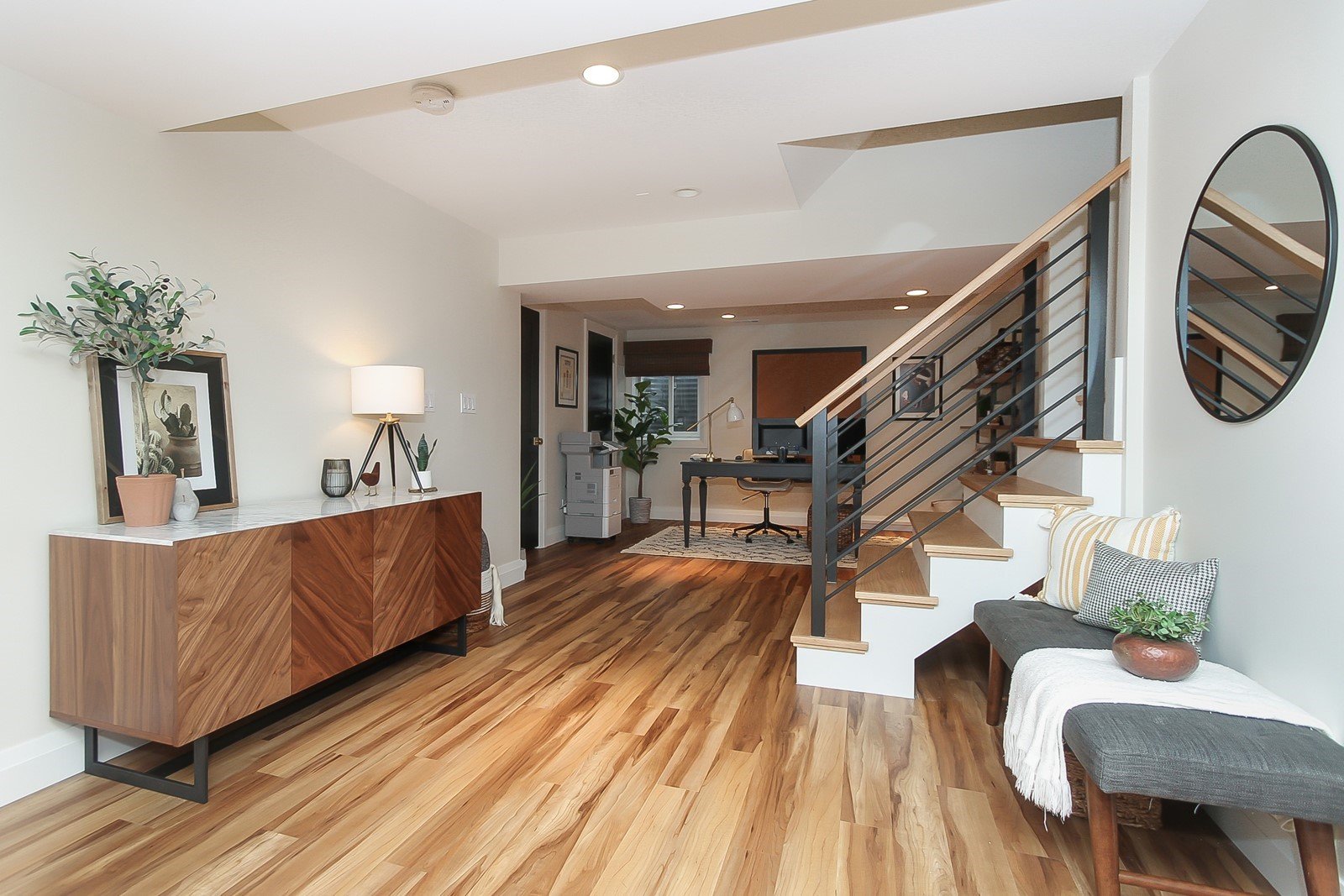
Basements often hold the greatest untapped potential in a home. With thoughtful planning, they can become comfortable, functional extensions of daily life rather than spaces used only for storage.

We help homeowners understand how humidity, airflow, and insulation can be used to improve the basement environment. Mechanical systems are carefully evaluated, with opportunities identified to reorganize or relocate them so the final layout feels intentional rather than constrained. Sound control is also addressed, which is essential when the basement sits directly below bedrooms and living spaces.


PAF-Robincrest-030

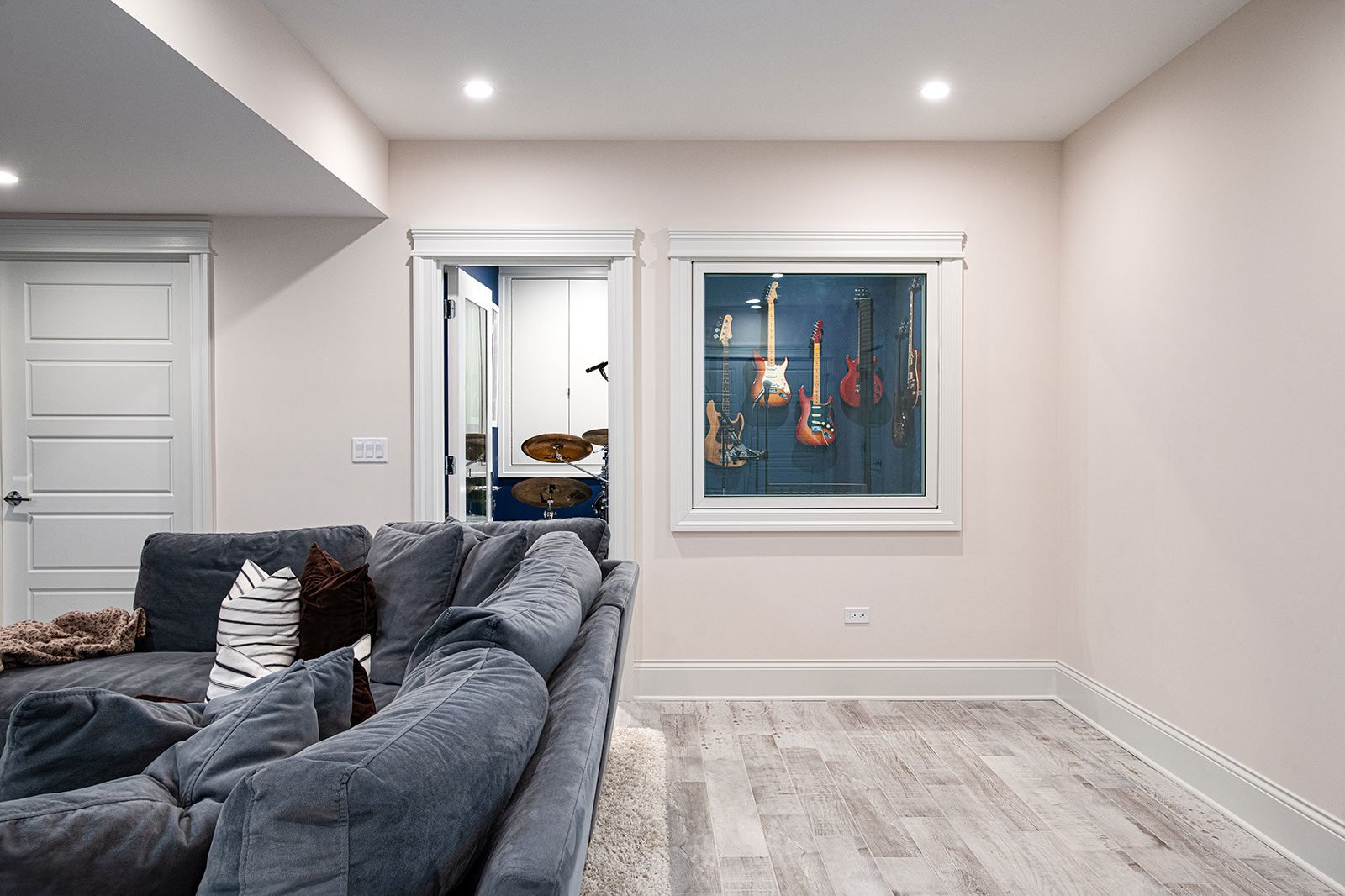
Explore another basement renovation where thoughtful planning created distinct spaces for everyday use, including an in-home gym, a custom music room with sound dampening, and an entertainment area centered around a TV lounge. 


Understanding What Attics Can Support

When exploring attics, we help homeowners understand their structural needs. Many attics were never intended as living spaces and may require additional support. This is not a barrier, but a standard part of residential space planning.

These early evaluations help homeowners understand what is realistically achievable and how design solutions can be shaped around the home’s existing structure.

attic-blog

How Code and Zoning Shape What Is Possible

Basements and attics are also governed by building codes and zoning requirements that influence what is possible. Ceiling height, egress windows, stair geometry, fire separation, structural capacity, and local zoning regulations all play a role in determining how these spaces can be safely and legally used.

Not every idea is feasible in every home, and experience matters here. A knowledgeable design-build team understands how to evaluate these constraints early and design within them, helping homeowners avoid pursuing concepts that may not be viable while uncovering solutions that meet both their goals and code requirements. In this way, limitations often become design challenges waiting to be solved.


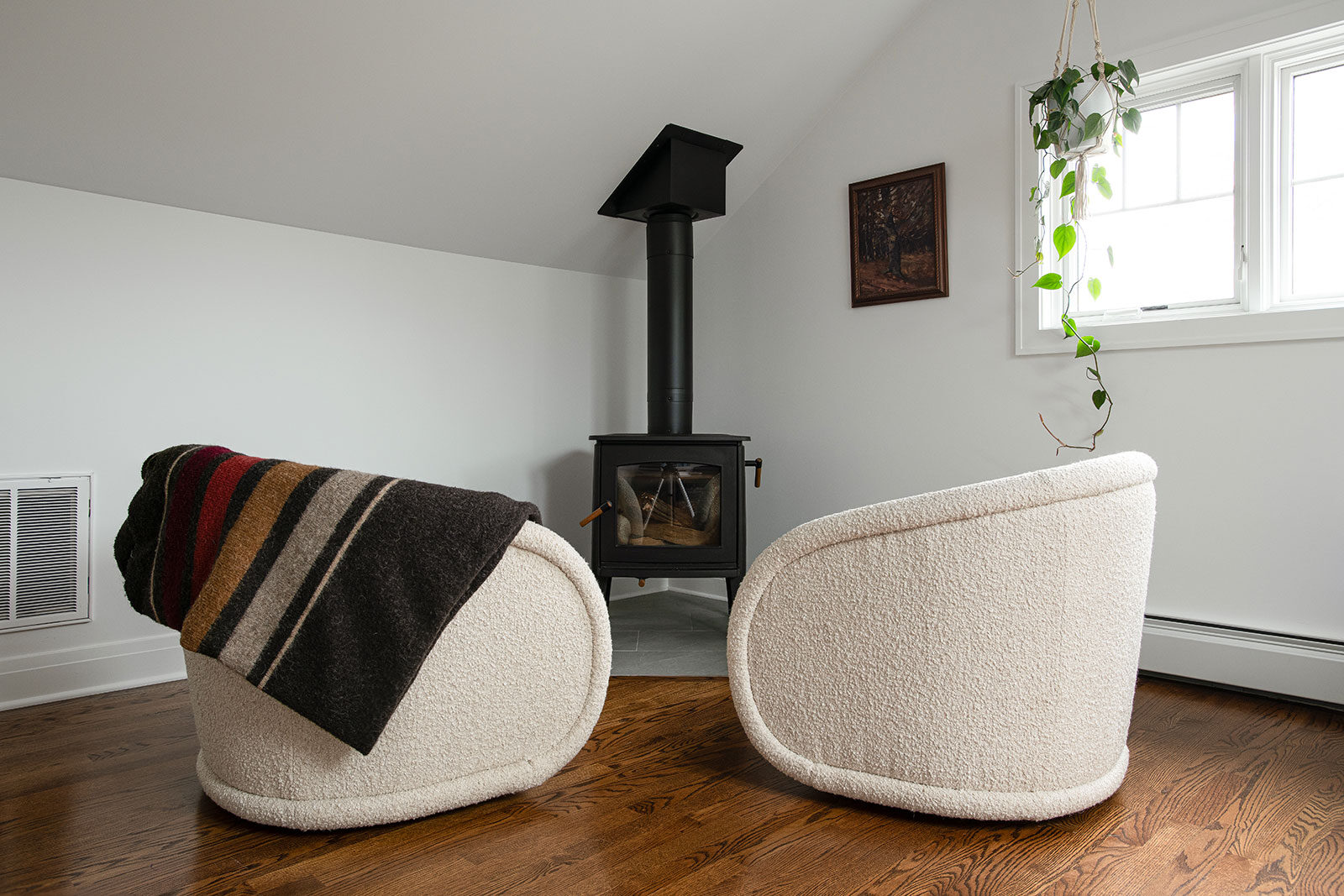
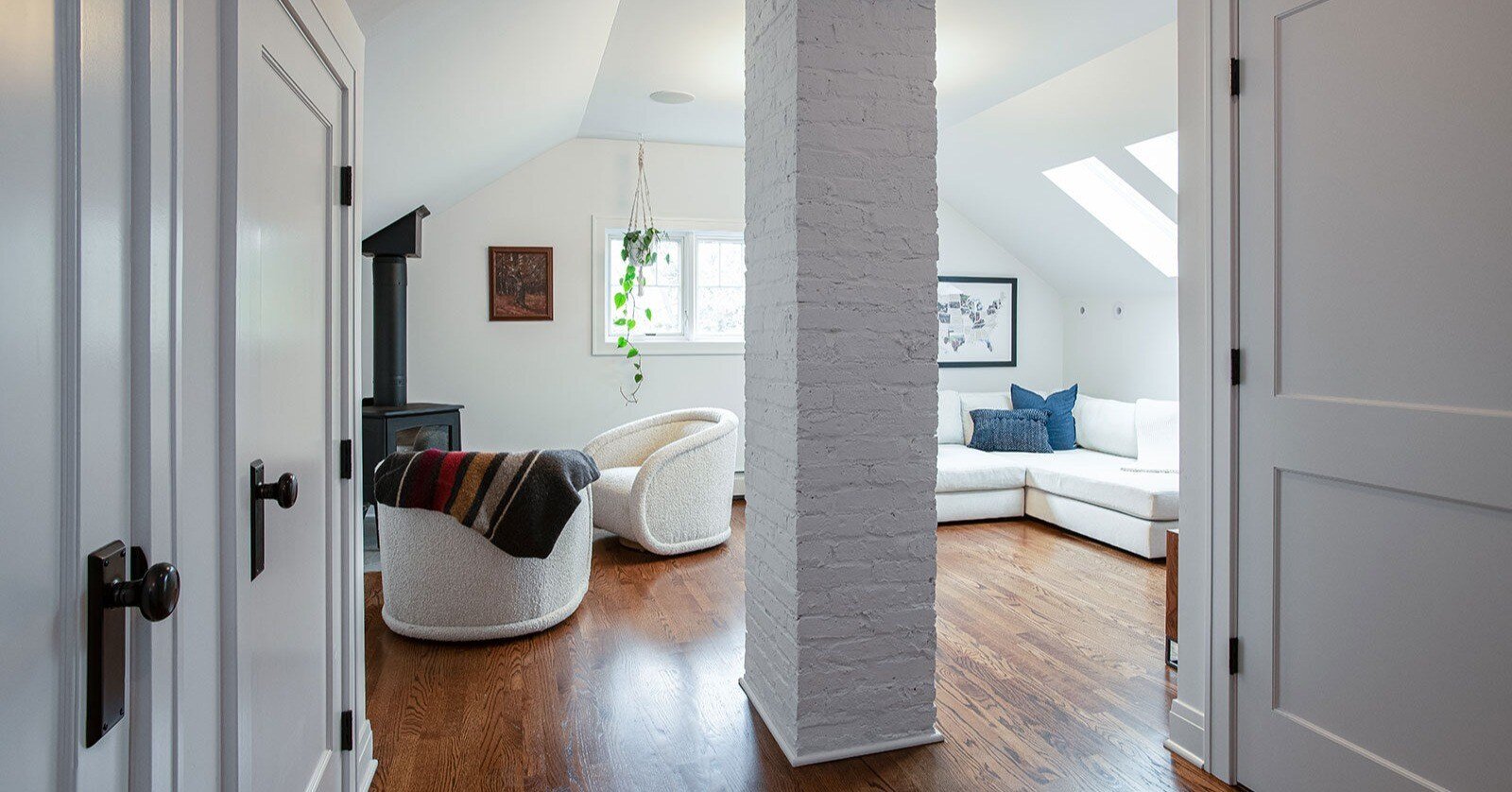
 See how a once-unused attic in this Park Place bungalow was thoughtfully reworked into a primary suite with a bedroom, sitting area, laundry, full bath, and skylights. 

PAF-W-Park-Place-007

The Limits of DIY “Space-Saving” Solutions

By the time homeowners reach us, they have often exhausted every DIY option. They have rearranged furniture, added shelves, purchased more storage bins, or set up makeshift workstations in bedrooms, dining rooms, or hallways.

But multipurpose rooms frequently become cluttered because too many activities compete for the same space. Different furniture arrangements offer temporary relief but do not correct movement pattern issues. Storage bins can create short-term storage solutions, but they do not help the space work better as a whole. Kids sharing rooms that no longer fit their age or routine begin experiencing tension, and in some cases, children end up sleeping on separate floors from their parents, creating safety concerns or emotional strain.

Families also begin avoiding their homes. They host only during the summer when they can use the outdoor space. They schedule playdates away from home. They return to the office even when remote work is possible because the house feels chaotic.

Many even spend weekends touring open houses to see if moving is the answer. Yet moving introduces emotional and financial strain. Leaving a beloved neighborhood, changing schools, and uprooting routines is difficult, especially when the real issue is not a lack of square footage but a lack of functional design.

These attempts reveal the true need for a more thoughtful, holistic solution.

PAF-S-Kaspar-002

The Emotional Cost of Living in a Home That Does Not Work

 When space challenges linger, they begin to shape daily life in ways homeowners do not always notice right away. What starts as a mild frustration slowly becomes part of the routine. Mornings feel chaotic. Evenings feel crowded. Simple tasks take more effort than they should. 

When Everyday Decisions Become Exhausting

 When space challenges linger, they begin to shape daily life in ways homeowners do not always notice right away. What starts as a mild frustration slowly becomes part of the routine.

Mornings feel chaotic. 

Evenings feel crowded.

Simple tasks take more effort than they should. 

When the Home Stops Supporting Daily Life

Over time, homeowners often stop using their home the way they once imagined.

Cooking becomes less enjoyable when the kitchen feels cramped or disorganized. Hosting feels stressful, so gatherings move to restaurants or occur only during warmer months, when outdoor space can compensate.

Parents work at the dining table or retreat to bedrooms for quiet, while kids spread out wherever they can find room. The home barely functions, and it no longer flows.

What should be a place of connection and comfort can start to feel like another problem to manage. 

Before

When the Home Stops Supporting Daily Life

There is also an emotional weight that comes with living in a space that does not support your life.

Homeowners may feel embarrassed inviting people over or disappointed that their home does not reflect who they are or how they want to live. Some begin relying more heavily on takeout, external workspaces, or staying busy outside the house just to avoid the stress they feel inside it. Others notice a quiet sense of isolation, especially when they see friends and family gathering comfortably in homes that seem to work better.

Missed moments add up: Fewer shared meals, fewer spontaneous gatherings, and fewer everyday memories are made at home. What should be a place of connection and comfort starts to feel like another problem to manage.

When this continues unchecked, the home no longer feels like a sanctuary. Instead of recharging and reconnecting, families feel drained by their surroundings.

This is often the turning point when homeowners realize that something foundational needs to change. Not another short-term fix. Not another attempt to reorganize. But a thoughtful reexamination of how their home functions and how it could better support the life unfolding inside it. 

PAF-Pinehurst-025

How a Holistic Master Plan Brings Clarity to Remodeling

This is where a clearer path forward takes shape. At Patrick A. Finn, we help homeowners see their home as a complete system rather than a collection of individual rooms. A Master Plan brings that perspective together, allowing families to move forward with confidence rather than react to problems, one space at a time.

A Master Plan allows homeowners to move forward with intention rather than reacting room by room.

PAF-Pinehurst-029

Seeing the Whole Home, Not Just Individual Rooms

Patrick A. Finn’s Master Plan is about understanding what is possible now, what may need to happen later, and how each decision affects the rest of the home. It begins with conversations that clarify what is not working today and what the home needs to support in the future.

From there, the focus widens. A strong Master Plan considers how life may change over time: children grow, work patterns shift, sging parents may eventually need to move in.

For many families, staying in a neighborhood they love makes it even more important to plan with the long term in mind.

Coordinating Systems Behind the Scenes

 Looking at the home floor-by-floor allows us to coordinate layout changes with mechanical systems, plumbing, and electrical planning. This ensures future projects do not undo completed work. Infrastructure is addressed thoughtfully, often behind the scenes, so later phases are easier, faster, and more cost-effective. 

Download Your Personal Copy of This Guide!
Residential Space Planning cvr


Download Here

Aligning Your Investment With Priorities and Reality

Budget is central to this approach.

A Master Plan aligns investment with priorities, helping homeowners complete meaningful work now while preparing for what comes next. It creates a roadmap that avoids costly rework, reduces uncertainty, and protects both time and resources.

Many homeowners understandably focus solely on construction costs, but a well-developed Master Plan considers the full financial picture.

Temporary living arrangements, pet care, storage, and schedule disruptions are not construction line items, yet they are real project costs that affect the overall experience.

By addressing these realities early, a Master Plan helps homeowners understand how design decisions impact both budget and daily life. This early alignment prevents surprises, supports better prioritization, and allows families to move forward with confidence rather than uncertainty.

When work begins, homeowners understand not just what is happening today, but how it fits into the bigger picture. The result is a home that feels cohesive, intentional, and built to support life now and in the years ahead. 

PAF-S-Kaspar-014

Finding a Team That Understands the Whole-Home Approach

As homeowners begin thinking seriously about improving their space, a common set of concerns often emerges. Questions about cost, timeline, and complexity are natural. Remodeling is a meaningful investment that deserves careful consideration.

This level of planning is not standard across the industry. Effective space planning requires more than creativity; it demands experience, technical understanding, and a willingness to invest time in discovery.

Many contractors default to additions because they are more straightforward to scope and estimate, even when better solutions may exist within the home’s existing footprint.

A comprehensive Master Plan takes more effort upfront, which is why not every firm offers it. However, this early investment is what allows homeowners to avoid fragmented decisions, costly rework, and solutions that address symptoms rather than root causes.

A clear planning process and open communication are central to addressing those concerns. When the process is well defined and expectations are discussed early, projects feel more manageable and less uncertain. Transparency around budget, schedule, and scope allows homeowners to make informed decisions rather than reacting to surprises along the way.

Trust is equally important. A design-build partner should always welcome questions, share references, and offer opportunities to see completed and in-progress work. These conversations and experiences help homeowners understand not just what is being built, but how and why decisions are made.

The success of a remodel depends not only on technical skill, but on perspective. The right partner looks beyond individual rooms and considers how the home functions as a whole. 

PAF-W-Park-Place-002

How to Choose the Right Design-Build Partner

The success of your remodel comes down to choosing a partner who listens deeply, thinks creatively, and understands how to unlock the potential in every square foot. You want someone who can help you imagine the possibilities within your existing layout and guide you toward a home that truly works for the way you live.

A thoughtful design-build team takes time to understand how a family lives, where friction shows up, and how needs may change over time. Rather than rushing to cookie-cutter room layouts, they work to uncover the root cause of challenges and develop a custom-made plan that aligns with your needs and your home’s structure.

When that alignment is in place, homeowners begin to feel confident. They can see how their home might support daily life more easily and grow with them over time. The work becomes less about fixing isolated problems and more about creating a home that feels intentional, balanced, and enduring.

At this stage, homeowners feel empowered. They can finally see how their home could support their life instead of limiting it.

Now that you understand how much potential exists within your current walls, your next step is to explore what thoughtful planning can accomplish. Our design process helps homeowners move from frustration to clarity and from confusion to a home that feels intuitive, spacious, and aligned with the way they want to live.

Your home may already contain the space you need. Sometimes, it simply takes a partner who knows how to help you uncover it.

PAF-Robincrest-009

Begin Exploring What Your Home Can Become

As you have seen throughout this guide, creating more room in your home is not about adding square footage. It is about understanding how your home works, identifying what is holding it back, and approaching change with clarity rather than guesswork. When space planning is done thoughtfully, each decision supports the next, and your home begins to feel aligned with the way you live.

If you are ready to explore these ideas further, the next step is to see how they come together in practice. 

Download Patrick A. Finn’s Ultimate Blueprint to Creating Your Dream Home to learn more about our design-build process and how thoughtful planning, clear communication, and a whole-home approach lead to results that last. 

If you would rather start with a conversation, you can also contact Patrick A. Finn for a free discovery call. This call is an opportunity to talk through what is not working in your home, uncover hidden possibilities within your existing space, and determine what may be achievable without an addition.

Whether you begin with the blueprint or a conversation, the goal is the same: helping you see what is possible and move forward with confidence.