-1.png)
Listen to the Blog Post
Cape Cod homes have a way of looking smaller than they really are. From the curb, you see a small story-and-a-half cottage with a steep roof and a couple of front dormers, and you assume there is not much room to work with. Step inside, and the truth is usually more interesting: there is far more potential here than the footprint suggests. The question of how to add space to a Cape Cod home is rarely about the home being too small. In many cases, the issue is a layout designed for a different way of living that has not evolved with today's lifestyles.
These are charming, well-built houses, and the goal is never to erase what makes them special. With the right design-build partner, you can find the room already hiding inside a Cape Cod, open it up, and bring it into the present while keeping the character that drew you to it in the first place. Here is how we think through it, room by room.
Table of Contents
1. Why Cape Cod Homes Feel Smaller Than They Are
2. Start With the Second Floor, Not the Attic
3. How Dormers Add Space to a Cape Cod Home
4. Reconfiguring the First Floor for Better Flow
5. Expanding and Modernizing the Kitchen in a Cape Cod
6. Using the Garage to Add Living Space
7. Why You Should Not Overlook the Basement
8. When to Build Out: Side and Rear Additions
9. Smart Design Moves That Make a Cape Cod Live Larger
10. Planning Your Cape Cod Remodel Without Losing Character
Why Cape Cod Homes Feel Smaller Than They Are
Most Cape Cod-style homes around Arlington Heights and the surrounding Northwest suburbs are modest, story-and-a-half houses. They were designed at a time when the priority was squeezing in as many rooms as possible, not necessarily thinking about how those rooms would flow together.
The result is a familiar set of challenges: sloped ceilings that limit furniture placement and usable floor space, an awkward second floor tucked under the roofline, narrow circulation paths, limited storage, a small kitchen closed off from everything else, and not much room for the whole family to gather.
None of that means the house is a lost cause. It means the existing space is working against you, and that is a far easier problem to solve than a genuine shortage of square footage. The fixes below progress from the biggest opportunity to the smaller, smarter touches, because the order matters when you are planning a remodel that must respect both your budget and the home's character.
Start With The Second Floor, Not The "Attic"
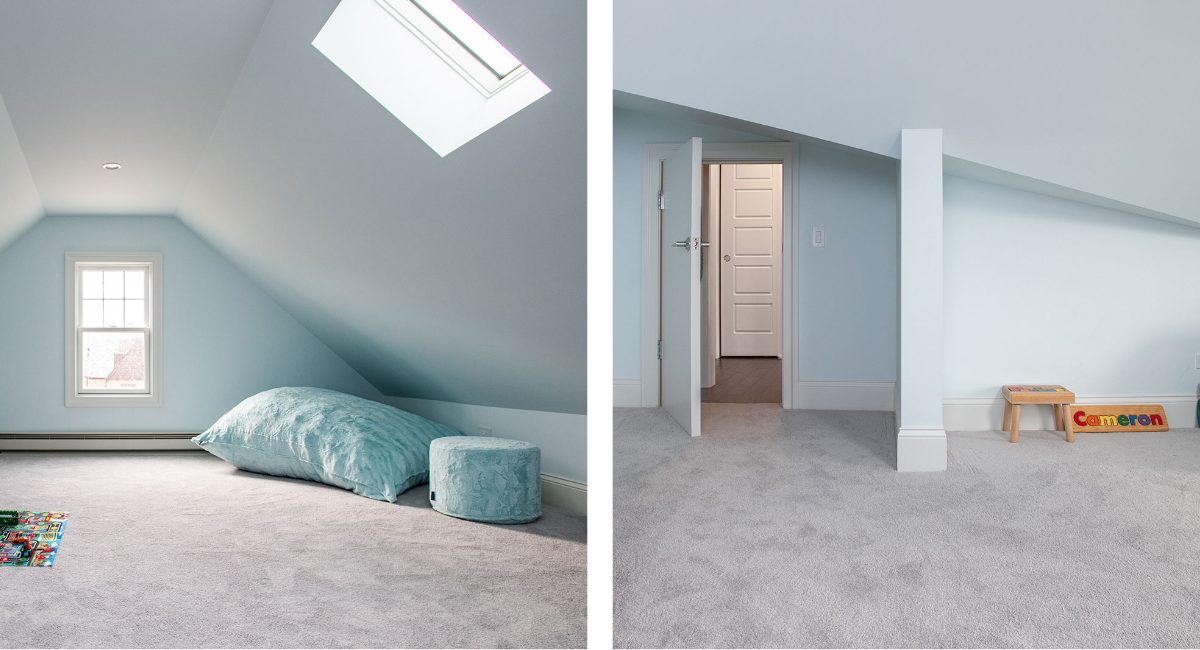
The single greatest opportunity in most Cape Cod homes is the upper level. People often call it the attic, but that term is misleading. This is not an unfinished, uninsulated storage zone. In most of these houses, the second floor is already finished and livable, usually with two bedrooms at the ends and a small bathroom in the middle. It just was not designed to make the most of every inch.
Because it was built into the roofline, the second floor comes with real constraints: low ceiling heights, sloped ceilings that complicate furniture placement, underused eave space in the corners, limited natural light, and often only one truly usable full-height wall down the middle. Updating it usually means addressing insulation, adding or rerouting an HVAC system, and rethinking the floor plan rather than just repainting.
When you reimagine that level instead of treating it as leftover attic space, the uses open up quickly. You can enlarge the cramped bedrooms already up there, turn the whole floor into a primary suite, add a second bathroom, carve out a home office, or create a flexible room that works as a guest suite, a teen retreat, or a hobby room. The move is to redesign the space you have before you assume you need to build new. If your upper level is genuinely raw, our guide to finishing your attic for more livable space walks through the structural questions that come first.
-1.png?width=1500&height=844&name=Untitled%20design%20(1)-1.png)
Add Dormers to Gain Usable Headroom
The most effective tool for opening up that second floor is the dormer. A dormer projects out from the slope of the roof, and in doing so, it adds standing room and headroom exactly where the roofline used to cut the space short. The right dormer addition can take a low, awkward half-story and turn it into a floor that actually functions, with room for full-height walls, larger furniture, more natural light, and sometimes an additional bathroom. Not every dormer does the same job, though, so it helps to understand how the main types compare.
Gable (doghouse) Dormers
These are the small, classic dormers you picture on the front of a Cape Cod, each framing one or two windows. A gable dormer preserves the traditional look beautifully, adds natural light, and creates a modest pocket of headroom around the window. It is the most affordable option and great for curb appeal, a small bedroom, or a bathroom. The tradeoff is that it adds the least usable floor area, mostly improving the space right at the window.
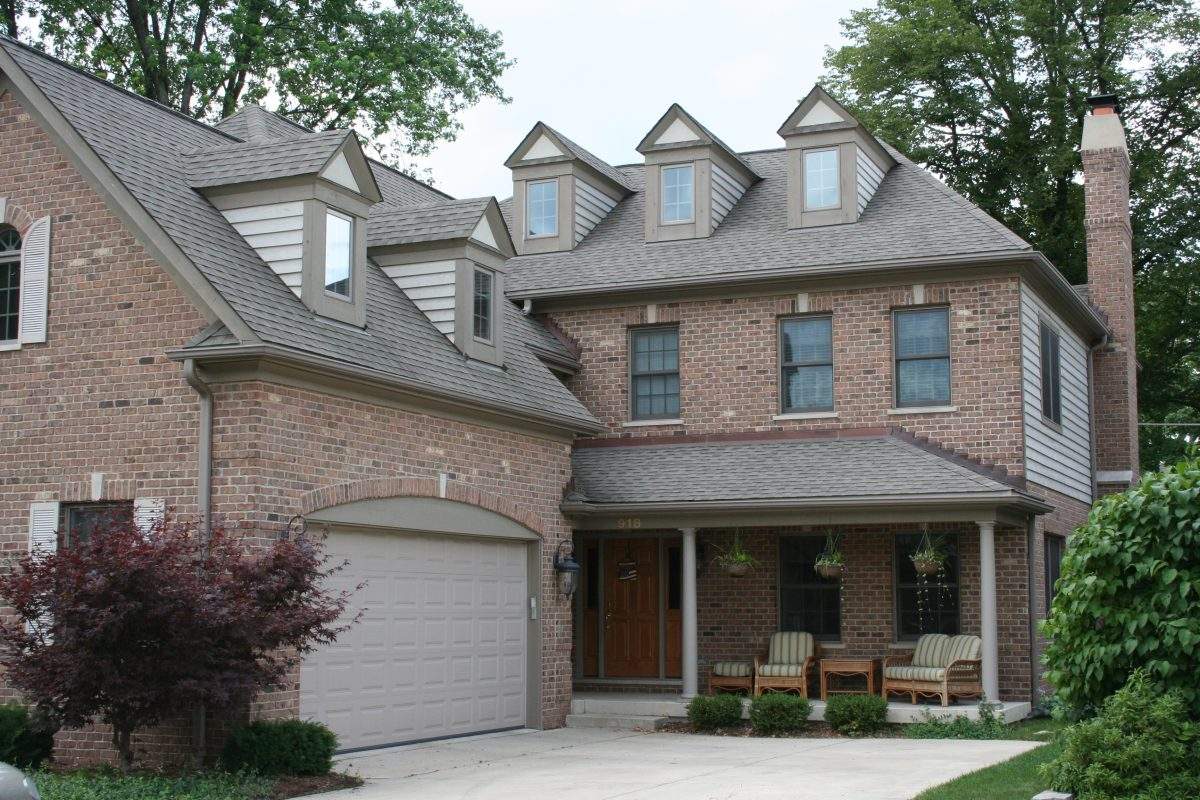 Image above: Example of a house with gable dormers, also known as doghouse dormers (not a Cape Cod style home).
Shed Dormers
A shed dormer has a single roof plane that slopes gently down from the main ridge, and it is the most popular choice for a serious remodel. It adds the most usable square footage of any common dormer, raises ceiling height significantly across a wide stretch, and makes furniture placement far easier. A shed dormer can take a cramped half-story and turn it into a real second floor, which is why it is often the starting point for a primary suite, additional bedrooms, or larger bathrooms..png?width=1600&height=800&name=s-vail-case-study_1600x800%20(1).png) Image above: The S. Vail whole-home remodel showcases a shed dormer integrated into a front addition.
Image above: The S. Vail whole-home remodel showcases a shed dormer integrated into a front addition.
Full Rear Dormers
A full rear dormer is essentially a large shed dormer that runs across most or all of the back roof. It delivers the biggest interior gain of all, creating near full-height rooms, while preserving the classic Cape Cod silhouette from the street because the change is hidden out back. This is the option to consider for a primary suite addition or a major second-floor redesign where you want maximum space without altering the home's front face.
 Which Dormer Type Adds the Most Space?
The honest version of this conversation matters. Adding dormers to the front and back genuinely increases your workable area, and once you do that, you can more or less reconfigure the entire upper floor plan. But you are not going to add three new bedrooms to a Cape Cod second floor. The goal is to maximize the space within the existing walls and roofline, not to expect unlimited room.
You can almost always add a dormer to raise ceiling heights and gain usable space, and the steeper the original roof pitch, the more you stand to gain. When the numbers favor it, this is where "just adding a dormer" naturally grows into rethinking the whole second floor. Our complete guide to second-floor additions covers when that bigger move makes sense.
We saw this play out on a small Cape Cod in Arlington Heights. The house started with a tiny upstairs, one or two bedrooms, and a single dormer bathroom that had been added back in the 1990s. By raising the roof, dormering the front and back, and renovating the entire second-floor interior alongside a rear addition, we turned it into four bedrooms and two full baths upstairs, all while keeping the home reading like a Cape Cod from the street.
.gif?width=1500&height=800&name=cape-cod-before-during-after_%20(1500%20x%20800%20px).gif)
Reconfigure The First Floor for Better Flow
Downstairs, the issue is usually connection, not square footage. Many Cape Cods were built with a separate kitchen, a small dining area, and living spaces that feel walled off from one another. The home feels tight because the rooms are isolated, not because there is too little space.
The improvements here are some of the highest-impact work you can do. Removing a wall, opening up sightlines, and improving the connection between the kitchen and the family room can make the whole main level feel dramatically larger without touching the footprint. Often, a single interior wall is doing all the damage, and taking it down (with a structural beam in its place where needed) lets light and movement travel across the floor for the first time.
If you want to see what is possible within your current walls, we covered it in depth in Adding Living Space by Rethinking the Square Footage You Already Have.
Stairs deserve a mention here because they quietly eat space on both floors, and most people underestimate how much. In many Cape Cods, the staircase sits in the center of the house, partly because code requirements for headroom and landings dictate where it can physically go. Relocating it toward a side wall can free up real square footage and improve flow, but it has a ripple effect through both levels, so it is one of the trickier moves to plan and worth weighing carefully.
Expand and Modernize The Kitchen
The kitchen is the most heavily used room in almost every home, and in a Cape Cod, it is often the most constrained. A thoughtful kitchen remodel here is partly about better fixtures and partly about borrowing room. A larger island, smarter storage, a real pantry, and better appliance placement go a long way, and connecting the kitchen visually to the family room makes the entire first floor feel bigger.
When the room is simply too tight, a modest kitchen expansion can do the trick. On some of these smaller houses, we have added a small bump-out off the back, sometimes a hexagon or octagon shape, just large enough to hold the table. Getting the dining table out of the main work zone frees up enough room to lay out a kitchen that fits how people actually live. A bright bump-out or small sunroom off the kitchen can also strengthen the connection to outdoor living, and a sunroom addition is a popular way to add gathering space that the original floor plan never offered.
Using the Garage to Add Living Space
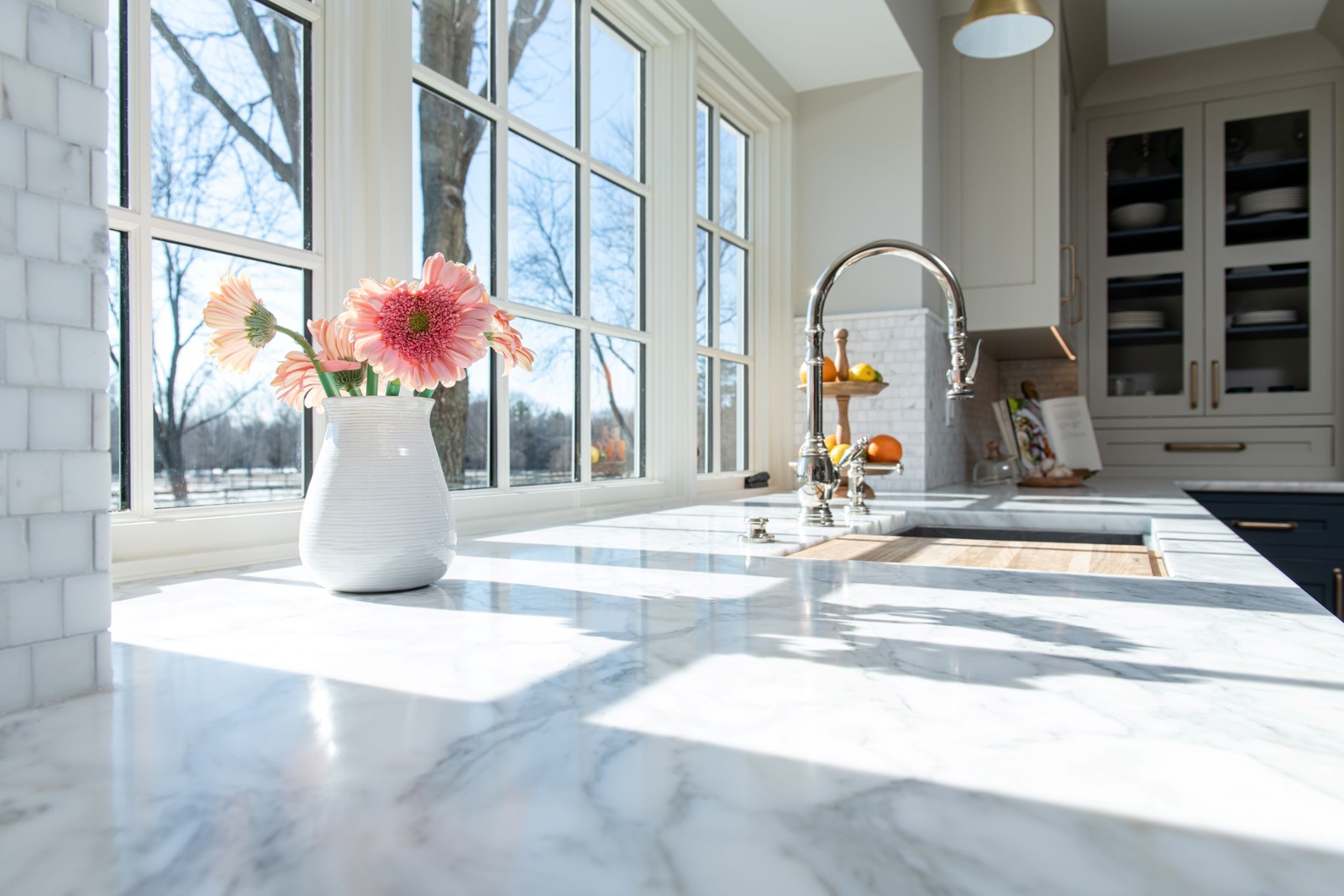
The garage is one of the most overlooked sources of space on a Cape Cod lot. If you have a detached garage, then depending on the layout, setbacks, and foundation, you may be able to connect it to the house and even build a second level above it. If you already have an attached garage, a second-story addition over the garage roof is often a natural way to gain a bedroom, a bonus room, or a private primary suite.
Why You Should Not Overlook the Basement
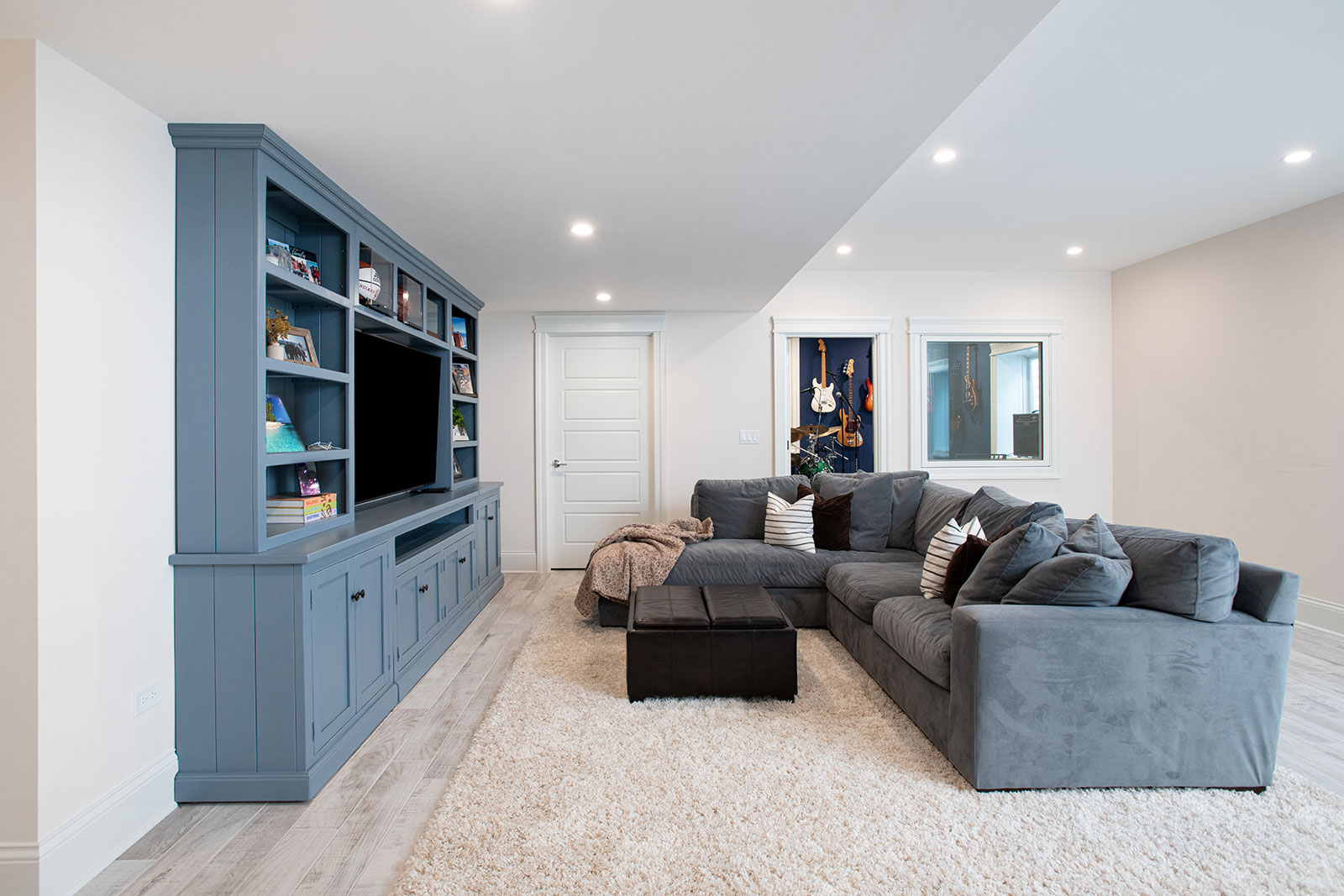
Most Cape Cods sit on a basement, and while it is rarely glamorous, it is a usable space. The catch is headroom: these basements often run under seven feet, and modern HVAC ductwork running through the ceiling lowers it further. That rules out a home gym with a treadmill or anything that adds to your standing height, but it leaves plenty of good options.
A finished basement makes an excellent lounge or TV room, a kids' play area, or a quiet home office, and tucking in a half bath down there adds real convenience. It is a cost-effective way to claim square footage you are already paying to heat without adding a single inch to the footprint.
When to Build Out: Side and Rear Additions
Sometimes the existing footprint genuinely cannot deliver what a family needs, and that is when an addition earns its place. Depending on your setbacks, you can add a wing to the side of the house, which looks especially nice when it reads as a natural extension of the original Cape Cod. When the side room is limited, pushing out the back and reworking the roofline, on one or two levels, is often the better path.
Rear additions are particularly good for transitional spaces. A rear addition can hold the mudroom and laundry room, a Cape Cod almost never came with, giving the family a real drop zone by the back door, while a second-story addition above it becomes the primary suite, the upstairs could never fit. If a new primary suite is the goal, our guide on how to add a primary suite to your home is a good companion, and our mudroom addition ideas cover that hardworking entry in detail.
-1.png?width=1060&height=561&name=Untitled%20(3024%20x%201600%20px)-1.png)
Smart Moves That Make a Cape Cod Live Larger
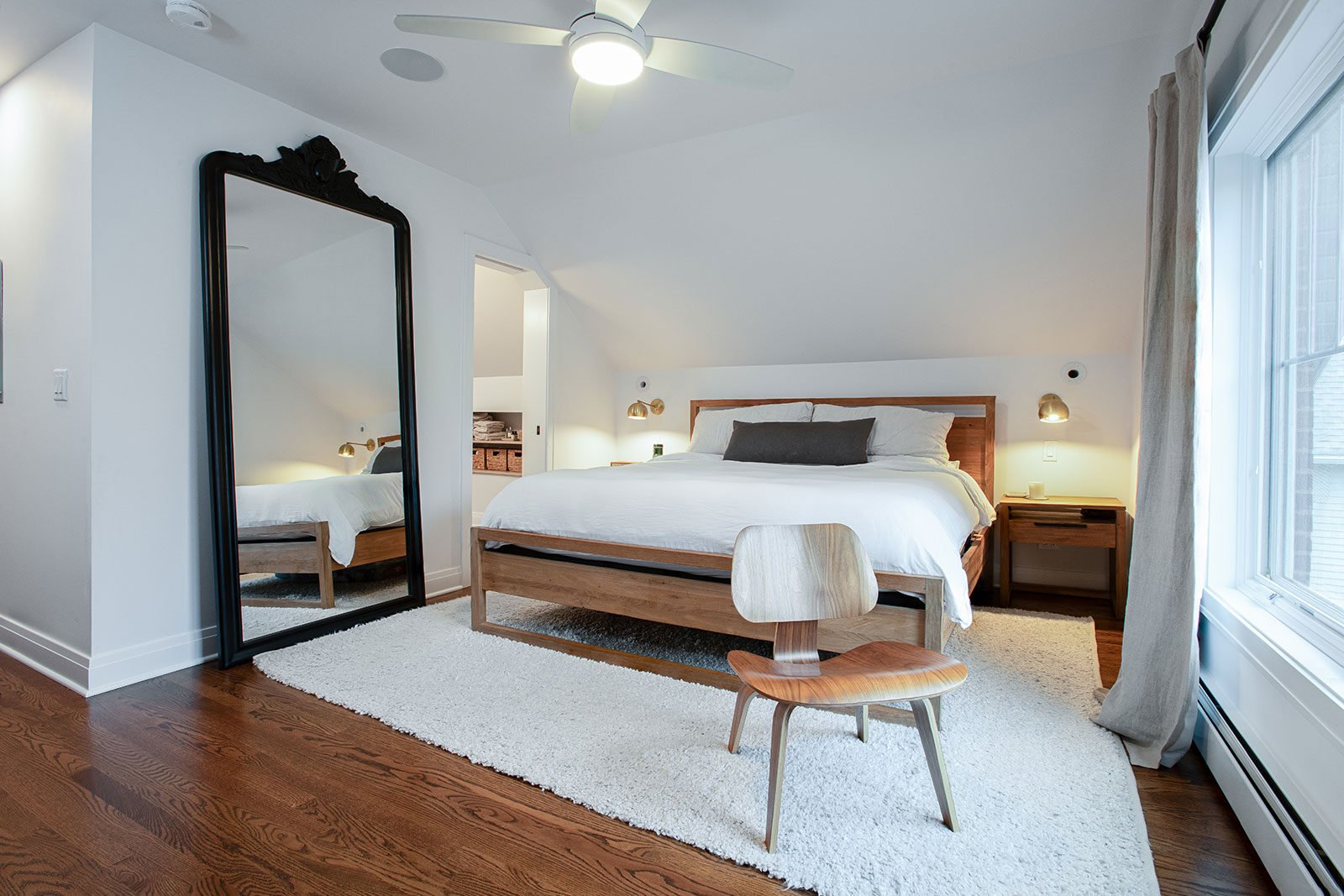
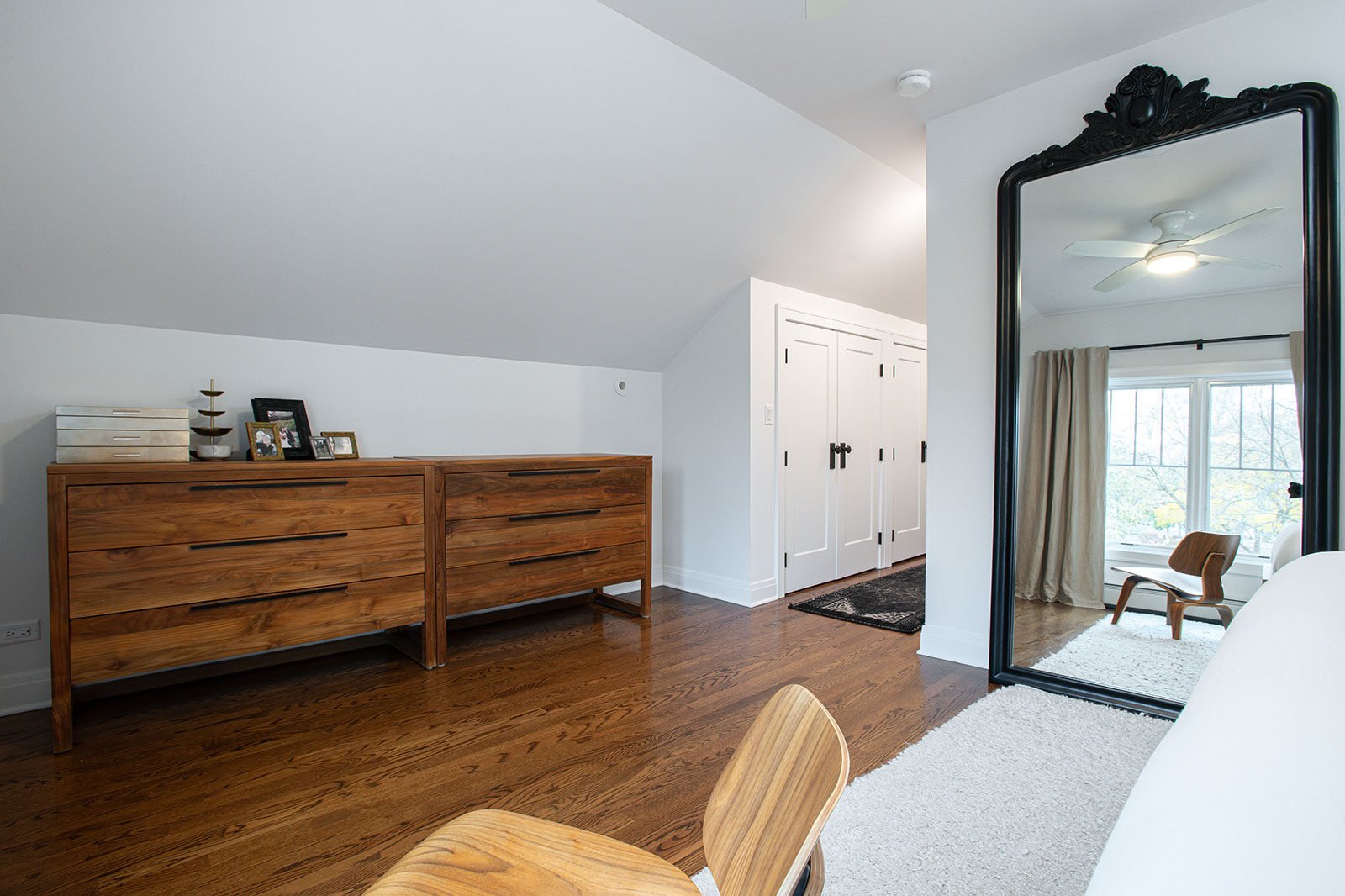
Not every gain comes from construction. In a smaller home, creating the illusion of more space is genuinely valuable, and you can make a Cape Cod live much bigger than its square footage suggests. Skylights, a well-placed bay window, and larger windows pull in natural light and make rooms feel open, and clear sightlines from one space to the next do the same.
Because every inch counts in these homes, the details around doors and walls pay off more than you would expect. A standard 30-inch door takes a surprising amount of room to swing; splitting it into two 15-inch doors or switching to a pocket door reclaims floor space and changes how you can arrange furniture and move through the house. Building shelves and storage into wall cavities and finishing the eave spaces under the slope turns dead corners into function. The aim is to let the construction and design carry the load, so you need less freestanding furniture, which is exactly how a tight room starts to breathe.
Plan it Right, and Keep the Character Intact
Cape Cod home additions reward careful planning. Raising a roof, adding dormers, or removing a load-bearing wall is structural work, and it usually involves a structural engineer specifying the right structural beams and confirming what the foundation and roof pitch can support. Before any of that, building permits and zoning regulations shape what is possible on your lot, and getting the permit applications right keeps the project on schedule. An experienced design-build firm handles these moving parts together, which is what keeps the process predictable rather than stressful.
It is also worth thinking about return on investment and energy efficiency as you plan. Reworking an older Cape Cod is the right moment to improve insulation and tighten up the home, and the projects that add genuine livable space and function tend to hold their value well in this market. The right general contractors will be candid with you about which moves deliver and which do not, rather than selling you square footage you do not need.
Through all of it, the through-line is respect for the house. The best Cape Cod-style homes keep the steep roofline and the cottage charm intact after a remodel from the street while quietly reworking everything behind it to fit a modern family. You end up with a home that finally lives the way you do, without losing the character that made it worth keeping.
If you are weighing what is actually possible in your own Cape Cod, the next step is to create a clear plan. Our free guide, Residential Space Planning, walks you from first idea to finished space, so you can shape a home that works the way you live.