You can already picture how the finished basement will feel: a playroom for the kids, a home gym, a place to gather friends on game day.
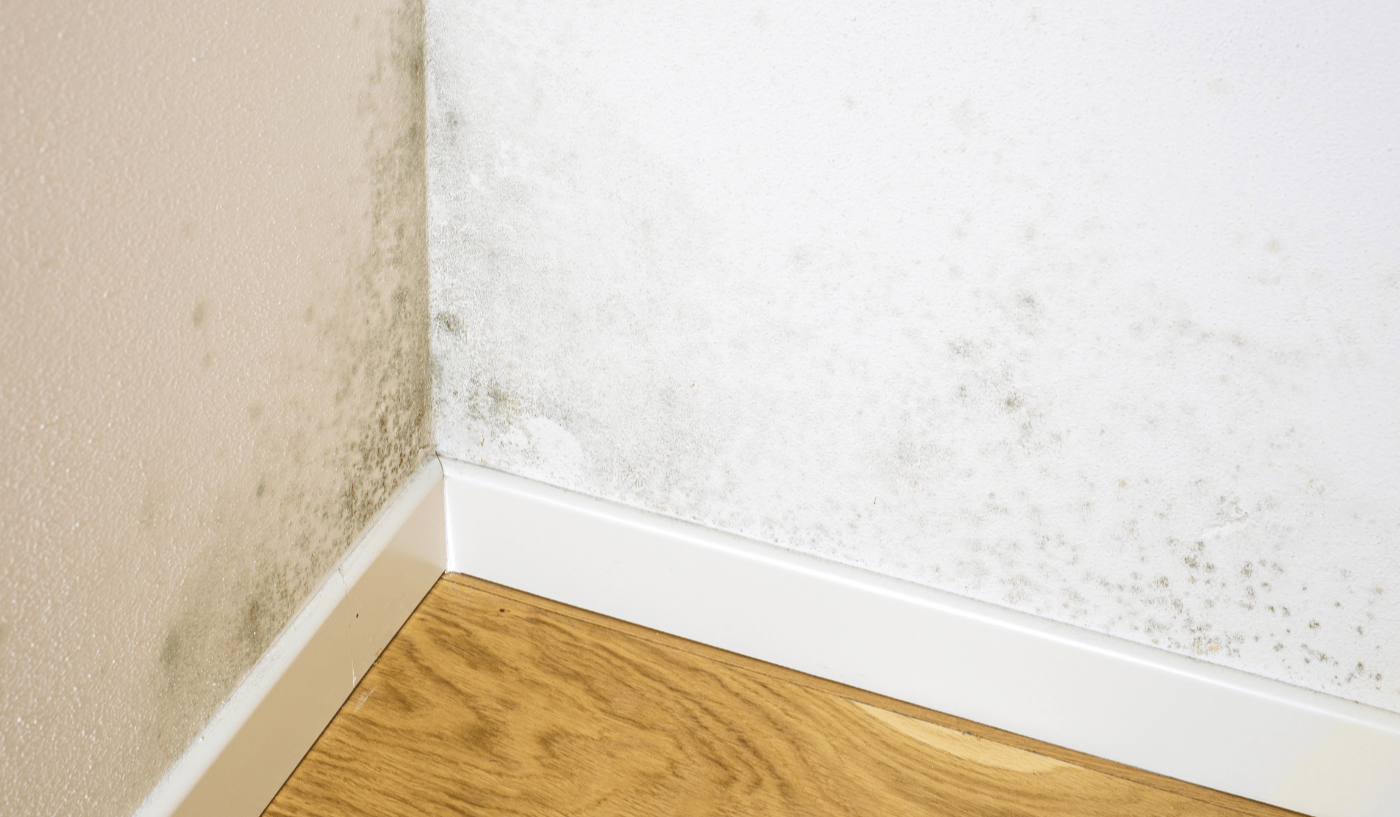
Then you catch it: a faint musty smell, a chalky stain low on the wall, a floor tile that has started to lift. The question follows naturally: can you finish a basement with moisture problems, or do you have to solve them first?
The honest answer is yes, but only after the moisture is under control. Finishing a basement with moisture problems still in play is one of the most expensive mistakes a homeowner can make because covering the issue doesn't stop it. It hides it. At Patrick A. Finn, we treat a dry, healthy foundation as the first requirement of any basement project, long before anyone talks about flooring or finishes.
Table of Contents
Signs Your Basement May Have a Moisture Problem
Before you plan a single finish, learn to read the space. Basement moisture problems tend to announce themselves, and the earlier you catch the signs, the less they cost to fix.
Watch for:
- Water stains on foundation walls or on finished drywall
- Flooring that is delaminating or buckling
- Efflorescence, the white powdery residue that often appears on brick or stone walls
- Musty odors that linger
- Mold or mildew growth
- Damp flooring or carpeting
- Water intrusion during heavy rain
- Structural cracks in the foundation, and whether past cracks were properly filled and sealed
Any one of these can point to a larger issue. Moisture is a detective problem: you may know water is coming through the wall, but not whether the cause is a crack, missing exterior waterproofing, or poor grading. Fix the wrong thing, and the water just finds another way in.
Why You Should Never Cover up a Moisture Problem
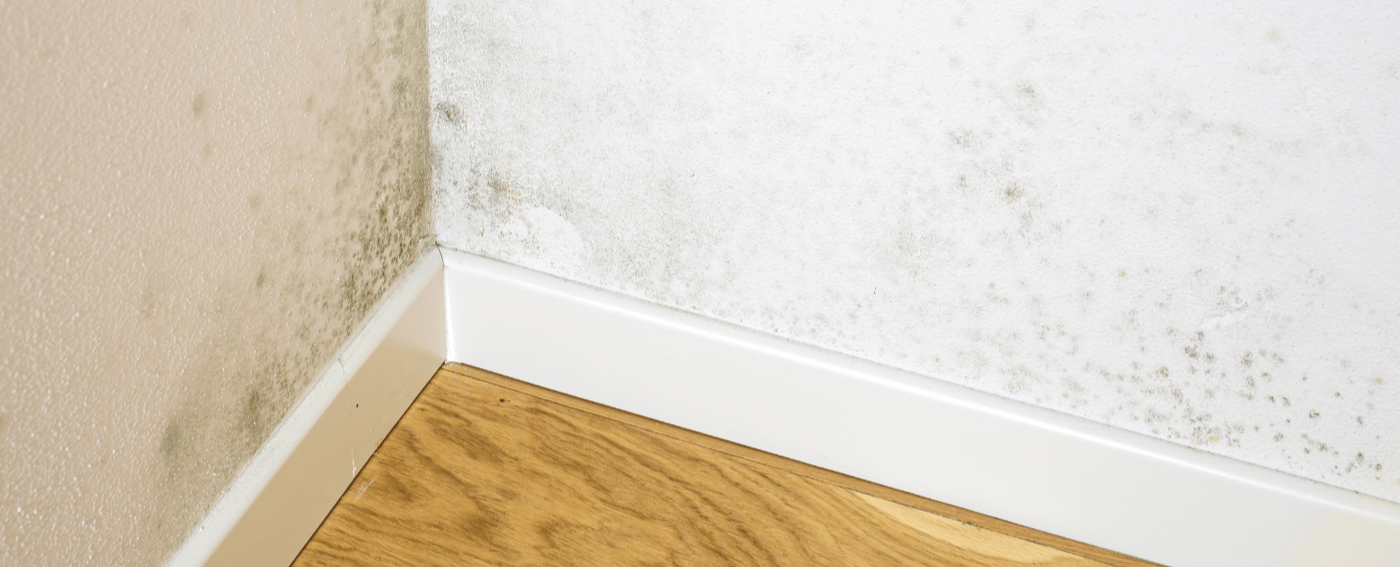
It is tempting to move ahead and hope the dampness fades. It rarely does. Moisture trapped behind new finishes or under fresh flooring keeps working out of sight, turning a manageable repair into a costly one. Hidden mold growth follows, along with ruined finishes and poor indoor air quality. Some sellers even paint over the staining to hide water damage before listing, but a coat of paint never holds the moisture back for long.
We once worked with a family who had bought a home with an already finished basement. Behind the walls was water damage running about two feet up from the floor, with mold and mildew feeding on the finished walls from the bottom up, a classic sign of water infiltration.
The fix was not cosmetic: we removed all the existing framing, drywall, and insulation, brought in a mold remediation company, then cut open the concrete floor to install a drain tile, a sump pit, and a pump. A heavy-duty membrane ran from the drain up the wall about four feet, so any seepage through the porous foundation would be caught and carried down into the new drain tile. The heavy-duty membrane acts as a barrier, stopping water that comes in through the foundation from entering the basement. This lets the homeowner finish the basement, if they choose, without worrying about water issues coming through the foundation.
Then we did what sets a careful remodeler apart: we left the basement unfinished for six months. You do not truly know a moisture fix has worked until it survives a full wet season. Only after that stretch confirmed the space stayed dry could the owners finish the basement, which mattered to them enormously because the room would be their six-year-old daughter's playroom. The lesson holds for every wet basement: identify the source of the moisture before you invest a dollar in finishing.

Start Outside, Where Basement Moisture Usually Begins
Many basement water problems begin above ground, outside the house. Managing water before it ever reaches the foundation is almost always cheaper than fighting it indoors.
Check The Grading Around Your Home
Soil should slope away from the foundation, not toward it. Over time, settled landscaping and low spots collect water against the foundation and send it down. A common culprit is mulch: landscapers add an inch or so every year until it builds up, soil sits above the foundation, and moisture wicks straight into the house. Keep at least six inches of foundation exposed, remove old mulch instead of piling on more, and re-establish a positive pitch that grades away from the home. Gravel moves water better than soil, which settles and holds moisture, and in our freeze-and-thaw climate that six-inch margin also keeps ice from building against the foundation.
This shows up most in older homes. Many built quickly after World War II, through the late 1940s, '50s, and '60s, had foundations set low with little thought to drainage. If you have a brick house and the brick sits at or below ground level, treat it as a warning: brick is porous, so it pulls moisture in and slowly rots the framing behind the exterior wall. Reversing that kind of structural damage means cutting out rotted framing, sliding a moisture membrane behind the wall, sealing it with spray foam, and rebuilding the base in treated wood, so it is worth inspecting closely before you buy an older home.
Clean and Extend Gutters and Downspouts
Your gutters and downspouts are the cheapest flood control you own. Clean clogged gutters, add gutter screens so leaves do not wash in, repair damaged sections, and extend downspouts well away so roof runoff does not pool near the foundation. Splash blocks and buried downspouts with pop-up emitters both move that water out into the yard where it belongs.
When a French Drain Makes Sense
For homes with recurring seepage or hydrostatic pressure, a French drain may be the answer. Hydrostatic pressure is simply water pressure against the concrete wall: when the yard pitches toward the house, water builds up and seeps in, usually right where the wall meets the floor. A French drain intercepts it. You find the low point where water collects, dig down, and fill with gravel so standing water absorbs instead of pooling, then direct the runoff to it. If the volume is high, a pipe can carry water to an approved outlet.
.png?width=1060&height=808&name=s-vail-downspouts%20(1).png)
Protect the Basement From Future Flooding
Even after you correct drainage issues, it is worth protecting your investment against the next big storm.
The Role of a Sump Pump
Today's code requires drain tile around the exterior of the foundation walls, packed in gravel, to catch groundwater and the hydrostatic pressure above. That water is directed to a sump pit, and the sump pump moves it up and out, discharging away from the house. In a finished basement, a reliable pump is one of the most important safeguards you have.
Waterproofing From the Outside
When interior measures are not enough, sealing the foundation from the outside is the most thorough fix, and the most expensive, which is why most homeowners try other options first. It means excavating to the base of the foundation wall, applying tar or a waterproof membrane, and repairing cracks in the concrete. Simple water sensors at the pit add another layer, alerting you the moment water is detected.
Do Not Overlook Backup Protection
Heavy rain and power outages tend to arrive together, the worst possible time for a sump pump to go quiet while the pit fills. A battery backup keeps it running through an outage, and newer smart units alert you when something is wrong. A whole-house generator is better still: it runs the pump indefinitely instead of draining a battery after twelve hours, and keeps the refrigerator and HVAC going too. We added one for a homeowner whose battery backup kept failing during long outages, plus a secondary pump so a single failure could never flood the basement again.

Controlling Humidity in a Finished Basement
Water intrusion and humidity are not the same problem. A basement can never flood and still feel damp, cool, and musty. Basements tend to hold humidity because of cooler temperatures, seasonal moisture, limited airflow, condensation on cool surfaces, older construction methods, and ductwork that was never sized to reach the lower level.
A good dehumidifier does much of the work, and for chronically damp spaces, whole-room dehumidifiers plumbed with a continuous drain hold steady humidity levels without a reservoir to empty. By pulling moisture from the air, they cut the condensation that makes a basement feel clammy and keep lingering moisture issues at bay. For a space you intend to live in, though, real climate control usually means HVAC work: added ductwork for proper heating and cooling, and balanced air pressure so enough conditioned air reaches the basement. That is what turns a dry basement into a comfortable home office, guest suite, or entertaining space rather than a room that simply no longer leaks.

Why a Professional Evaluation Matters
When you are investing in a basement remodel, the type of company you call makes a real difference. A basement waterproofing company sells waterproofing systems, so its recommendation tends to be its product, whatever the actual cause. A design-build firm has no product to push, so the advice can stay objective. There is often more than one path to a dry basement, and the right one is the most cost-effective and comprehensive solution, not the one that happens to be for sale.
Because we look at the whole home rather than the basement alone, we can coordinate the mold remediator, the drainage work, and any structural repairs as one plan instead of a series of disconnected fixes. That whole-home view matters for health, too: the same cracks and openings that let water in can also admit soil gases like radon, and a good evaluation accounts for them. Honesty is the point, which is why an honest design-build firm sometimes tells you what you would rather not hear.

Solve the Moisture First, Then Finish the Space
Once the moisture is genuinely resolved, finishing a basement is one of the best moves you can make. It is the most cost-effective way to add livable square footage to your home, short of adding on. The assembly still matters: a dimple mat against the foundation, a polyethylene vapor barrier behind the framing, and closed-cell spray foam all help keep the walls dry, so moisture-tolerant materials belong in the plan from the start. That vapor barrier is inexpensive insurance against the very problem you just solved.
From there, the possibilities open up. Families use finished basements as entertainment spaces and teen hangouts, home gyms, bars, and saunas- rooms built for gathering and everyday life. A finished basement earns its keep, but only on a dry foundation.

The Key to a Healthy, Long-Lasting Finished Basement
Can you finish a basement with moisture problems? Yes, once you have solved them. Read the signs, never paper over dampness, manage water from the outside in, protect against flooding, control the humidity, and get an objective evaluation before you invest in a basement remodel. Do it in that order and the finished space will be healthy, comfortable, and built to last, with the peace of mind of knowing it was done right.
Ready to plan yours the right way? Start with our free guide, Residential Space Planning, or see what is possible in our basement portfolio.



.png)