
Listen to the Blog Post
Layout problems are easy to overlook because they rarely appear as a single issue. Instead, they show up in small frustrations that repeat day after day. They show up as rooms that feel chaotic, a family competing for the same few feet of space, a house that somehow works against the way you live in it. The natural reaction is to assume you need more room.
More often, though, the most common home layout problems have little to do with size. They usually come down to floor plan mistakes: how rooms are designed, connected, and support daily life, not how much square footage you have. A house can be plenty big and still feel cramped, stressful, and full of wasted space. The encouraging part is that these problems are easy to read once you know what to look for. Here are five signs worth paying attention to, and what good design can do about each one.
Table of Contents
1. The Space Everyone Gravitates Toward
2. When Storage Isn't Solving the Problem
3. When Square Footage Goes Unused
4. The Pinch Points You Stop Noticing
5. The Difference Between Living and Managing
6. Why Older Chicagoland Homes Struggle With Modern Living
7. A Home Should Support Your Life, Not Compete With It
Sign 1: Everyone Ends Up in the Kitchen
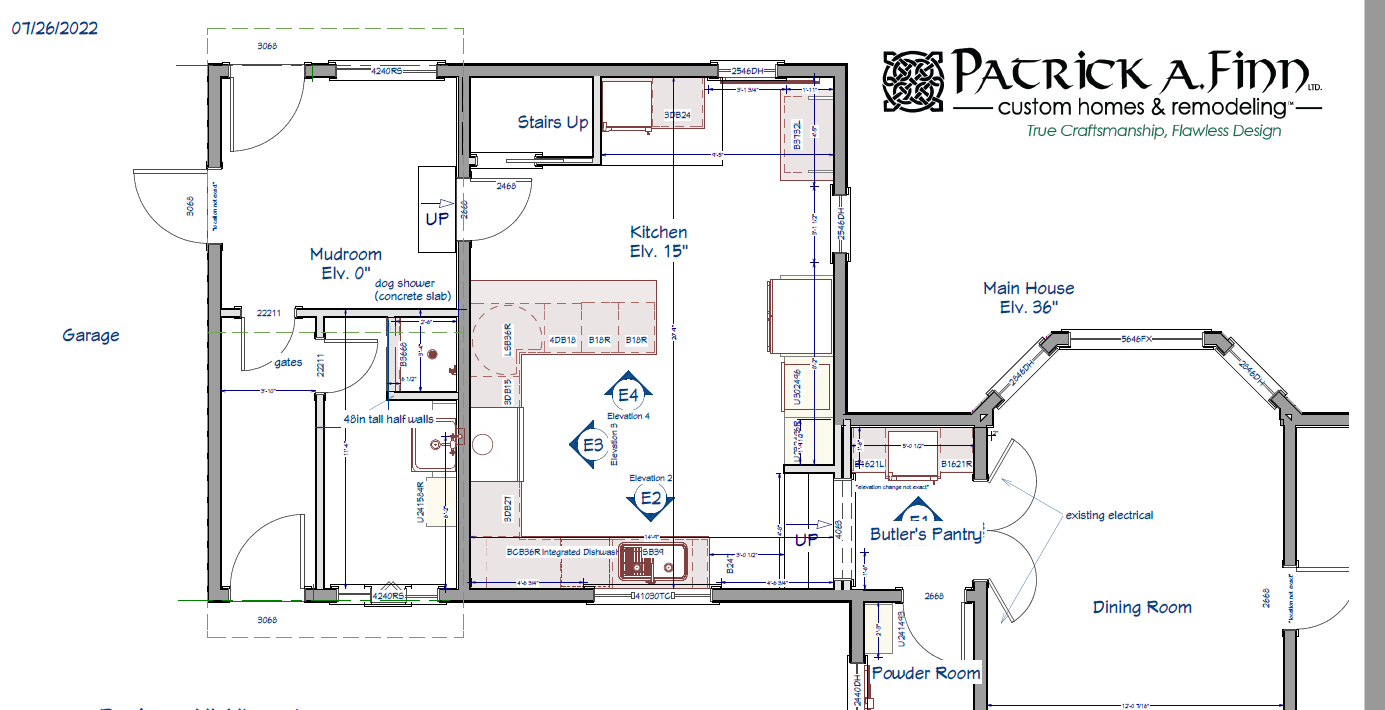
If the kitchen has become the unofficial headquarters of your home when you have company. It is where the homework happens, where guests drift, where someone takes a work call, and where everyone funnels through on the way to the garage or the backyard. The issue is seldom that the kitchen is too small on paper. It is that the flow is wrong. Guests cluster at the kitchen island because nothing else feels connected to the action, and the parent at the stove is forever sidestepping kids and crossing paths with whoever is passing through.
This plays out constantly in older ranch-style homes and split-level homes, where a galley kitchen often doubles as the hallway to the back door. The fix doesn’t always involve adding square footage. Opening the wall on the far side of a galley, or taking down the partition that boxes in a corner kitchen, lets the room connect to the dining and living areas and brings natural light across the entire space.
The real opportunity is to think beyond the kitchen itself and consider how the entire main living area functions. Whether that results in an open-plan layout with dedicated zones, a fully open-concept first floor, or a hybrid approach that maintains some separation while improving flow.
%20GIF.gif?width=1200&height=640&name=finn-s-vail-before-during-after_%20(1500%20x%20800%20px)%20GIF.gif)
Sign 2: The Clutter Comes Back the Moment You Clean
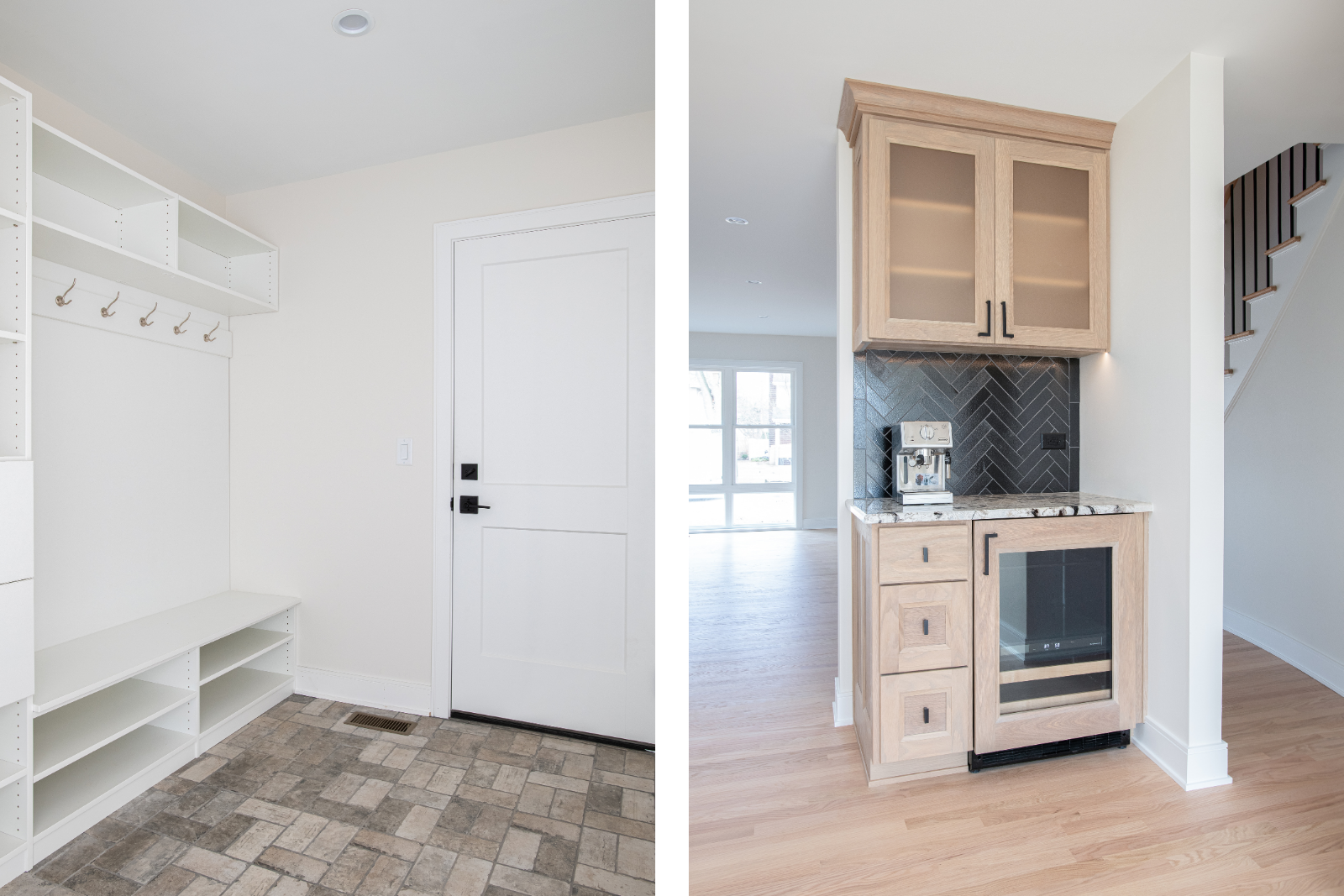
You clear every surface on Saturday, and by midweek (or earlier), the counters have vanished again. It is easy to blame willpower. More often, it is the layout. Clutter that keeps returning is usually a sign of a missing function, not necessarily a lack of discipline. Mail, homework, and backpacks take over the counters, shoes stack up at a front door with no landing spot, and the dining table quietly becomes a permanent doom pile.
Most of this traces back to rooms being asked to do too many jobs at once. The answer starts with naming how your family actually lives, then giving each thing a place: a drop zone or mudroom by the entry, built-in cabinetry that creates real storage space, a kitchen with enough cabinets that nothing has to spill elsewhere.
Where the clutter settles is a clue in itself. An attached garage becomes the staging area, a detached garage pushes everything to the back door, and an underused dining room turns into a landing pad for packages and homework. The trouble is rarely too much stuff. It is a home that was never designed for the way people live now.
Sign 3: Your Family Quietly Avoids Certain Rooms
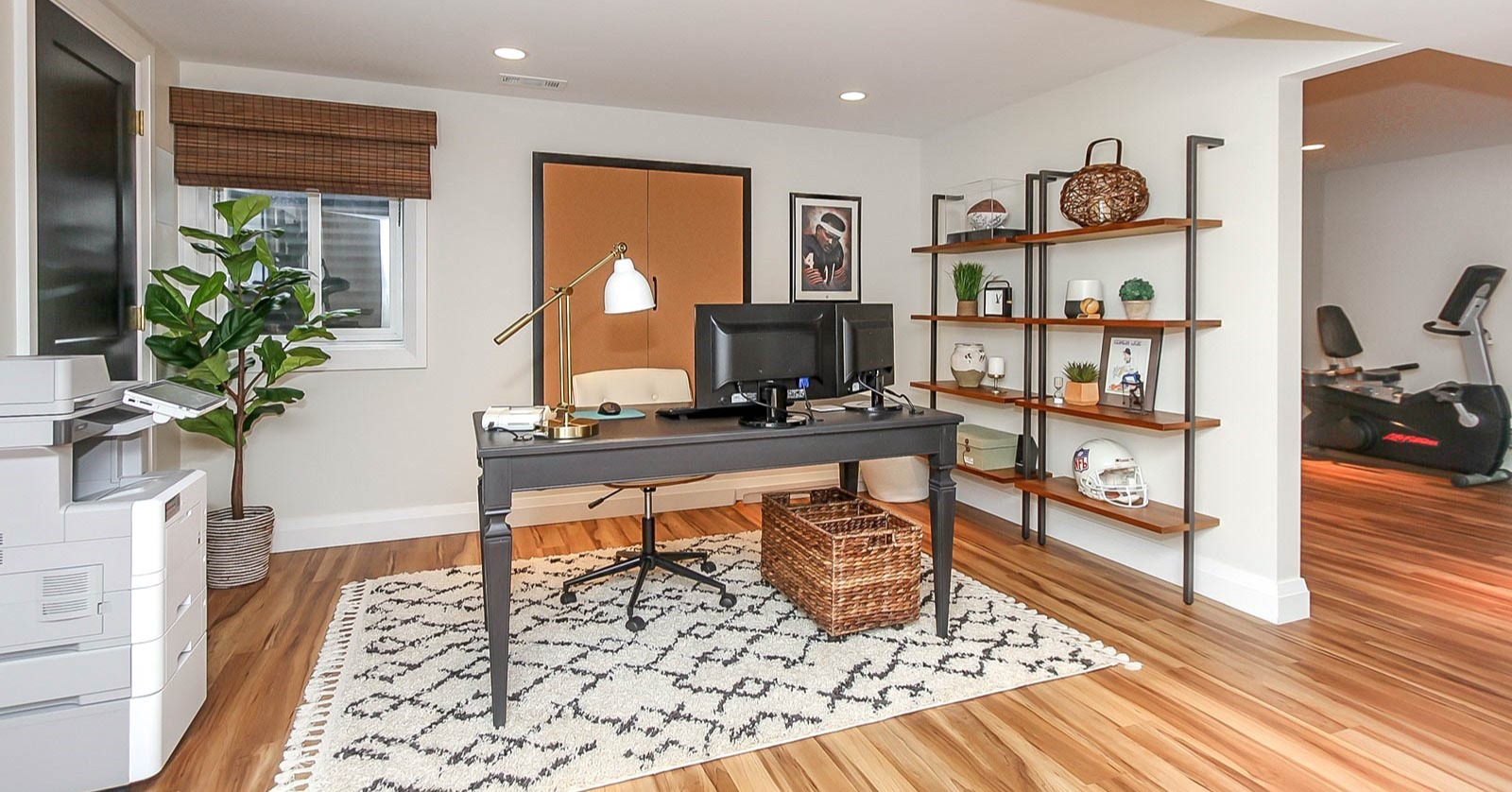
Walk through your house and notice the rooms nobody really uses: a formal dining room set twice a year, a front living room cut off from daily life, a basement that is really just storage space, a guest room slowly turning into a closet or a part-time home office. Meanwhile, you're still paying to heat, cool, clean, and maintain a space that doesn't add value to your daily life. When rooms sit idle, the imbalance falls on all other spaces, leaving the kitchen and family room overloaded and the whole house feeling more stressful than it should be.
Many underused rooms are not a sign of too much space. They are a sign that the home's layout no longer reflects how the household functions. Some of the most meaningful changes come from rethinking the flow of the first floor inside the footprint you already have. Open up a disconnected formal room, or repurpose it to how the family truly gathers, and the whole main level starts to behave like one open-plan space instead of a string of rooms with nothing to do.
Reclaimed rooms can finally earn their keep. A dead formal dining room becomes an open-plan extension of the kitchen, bright with natural light; a barely used den turns into a real home office; and the square footage near the main entrance becomes the mudroom and storage space the house never had.
For empty nesters, a first-floor primary suite with a luxury bathroom and oversized walk-in closet adds everyday accessibility without anyone having to call it that. The goal is never to just add more room; it is to let the rooms you already have do the jobs your life actually demands.
Sign 4: The Traffic Pattern Interrupts Everyday Life
The paths people take through a house quietly shape how calm or frantic it feels. When those paths are an afterthought, ordinary days fill with small collisions: cutting through the kitchen to reach the yard, edging around a kitchen island or some awkward furniture placement, passing through one room to get to another, or piling up at a main entrance that has no real function.
Figuring out where the friction lives starts with watching how your household actually uses the spaces. Questions to ask include:
-
Which entryway does everyone use most often—the front door, side door, or garage?
-
Where do people typically come and go throughout the day?
-
How many members of the household are there, and what are their daily schedules?
-
Where do paths regularly cross or bottleneck—near the kitchen, stairs, or a particular hallway?
-
Which route do kids take with backpacks, sports gear, or instruments when they come home?
-
Where do guests naturally drift when you host, and does that support or interrupt everyday tasks?
-
Are there doors, turns, or narrow passages that everyone seems to avoid or complain about?
Those questions surface the pinch points buried in a daily routine. From there, high-impact changes can include widening a doorway or taking out a single interior wall, without touching the rest of the floor, which can change how a space feels entirely, as can a real drop zone or a kitchen command center where the calendar, the mail, and the homework finally have a home.
Explore how this Arlington Heights ranch went from closed-off and dated to bright, open, and tailored to the way this family really lives—see the S. Vail whole-house remodel and addition before-and-after case study.
Sign 5: You Have Stopped Hosting, or Even Relaxing, at Home
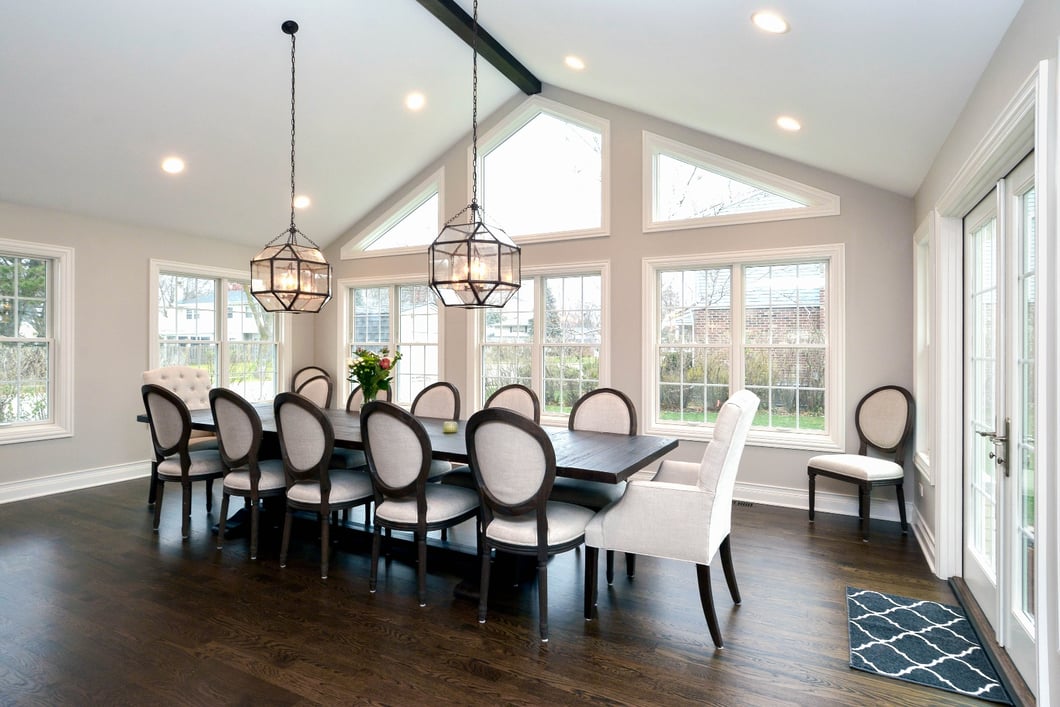
This one sneaks up on people. When a layout stops supporting easy gatherings, they pull back without quite noticing. They host only in summer when the party can spill outside, skip the holidays because the house feels too tight, and pick a restaurant over having friends over. Even the kids gravitate toward something else when home feels chaotic. A place that should feel like a refuge slowly becomes one more thing you feel you can’t manage.
Most homeowners do not say they have stopped entertaining; instead, they say they wish they could, but the house cannot handle the size of the family or the crowd a real gathering brings.
Usually, that comes down to a waste of space rather than a true shortage. Sometimes it just means a layout that can fit an extra table or a dining area big enough for the holidays. One of the most common reasons homeowners decide to remodel is to host holidays, celebrations, and everyday gatherings. This is exactly why a purely cosmetic update will disappoint. You can make a room beautiful, but if the flow underneath it still does not work, hosting will feel just as hard as it always did. The remodels that truly change things fix the function first.
.png?width=1500&height=1000&name=n-beverly-basement-renovation-media-zone%20(6).png)
Why Older Chicagoland Homes Struggle With Modern Living
Many homes in Arlington Heights and nearby suburbs are full of character and built with real craftsmanship. They were also designed for a way of life that looks nothing like today's. Closed kitchens, formal room separations, almost no mudroom storage, and small rooms with little natural light put them a world away from the open-concept layouts families ask for now. These are the floor plan mistakes of an earlier era, sensible when they were built and out of step with this one.
These challenges show up across many of the area's most common home styles: rambler ranches with a tight galley kitchen walled off from the family room, and in the split-levels with a roomy living and dining area open to each other but a cramped kitchen stuck in the corner. Colonials, Georgian-style squares, and Cape Cods each carry a version of the same problem, whether it is a center staircase forcing a narrow kitchen or a small footprint begging to be opened into the kind of open-concept flow today's families want.
The fixes follow from the layout. In a split-level, opening the formal living and dining rooms turns the main floor into one connected, open layout full of natural light while the lower den becomes a second family room. Colonials are often boxed in by a center staircase, so borrowing width from an underused dining room is what makes a bigger, more workable kitchen possible. Tighter Georgians and Cape Cods gain the most from building above an attached garage or finishing attic space, where a new primary suite with a walk-in closet can also improve everyday accessibility. The work usually means opening up interior walls, but the goal never changes: rework the flow within the home's existing footprint and bring it into the present without erasing the character that makes it worth keeping.
Picture a typical Arlington Heights split-level: a family of four crowded into a closed-off kitchen while the formal dining room sits empty most weeks, with a daily traffic jam at the back door. Nothing is broken, exactly. It is just a set of small rooms and a dated floor plan that no longer fits the family inside them. Take down one wall, fold the unused dining room into the kitchen, rethink the furniture placement, and the same square footage finally works: more natural light, a real drop zone, far less waste of space. The footprint never changed; the way it lives did.
A Home Should Support Your Life, Not Compete With It
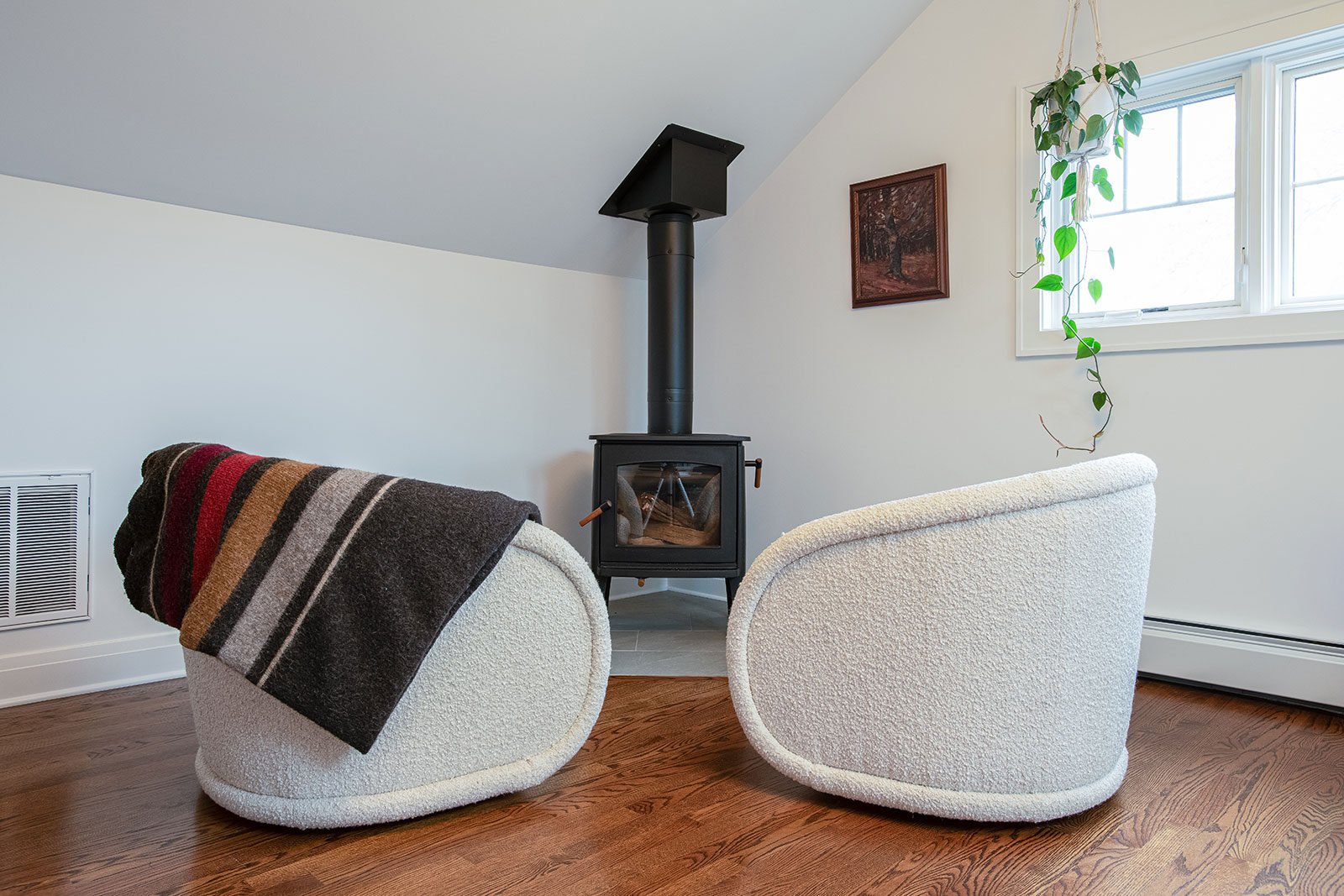
The aim is almost never a bigger house. It is a home that fits your life more easily. When moving through it feels natural, a quiet stress you may not have noticed starts to ease. Good flow brings a family into closer contact, a well-planned open-concept layout invites people to gather instead of scatter, and thoughtful function creates a calm that extra square footage alone can never buy. The best remodels go after the root problem rather than the surface annoyance, changing how a home feels without changing its footprint, because the real issue was never how much space you had. It was how that space worked for the way you live.
If any of these signs sound familiar, the next step is to understand what your home is truly capable of. Our free guide, Residential Space Planning: How to Create More Room Without an Addition, shows how an experienced design-build team can uncover opportunities hidden in your existing floor plan, transform underused spaces, and create a home that better supports how your family lives.
Frequently Asked Questions About Home Layouts
How do I improve the flow of my home's layout?
Start by watching how everyone moves through the house on a normal day: where they enter and exit, where paths cross, where people bottleneck. Those pinch points show you where the layout is fighting you. From there, small moves like widening a doorway, removing one wall, or adding a real drop zone often do more for flow than a major addition.
See how one Arlington Heights homeowner completely reimagined the way their ranch-style home could live for their family—explore the full S. Vail whole-house remodel and addition case study and its dramatic before-and-after transformation.
Do I need to add square footage to fix my home's layout?
Not always. Most layout problems come from how existing rooms connect and function, not from a genuine lack of space. Reworking the flow of your first floor, opening up walled-off rooms, and building in intentional storage can change how a home feels while keeping its current footprint.
Before you assume you need a full addition, take a closer look at what is already inside your walls—read our guide to adding living space by rethinking the square footage you already have.