
.png)
Listen to the Blog Post
Most homeowners don’t start a remodeling project by talking about design trends. They start by describing what isn’t working. A kitchen that looks updated but still feels disconnected. A first floor that has enough space on paper, but doesn’t flow the way it should. A home that functions, but isn’t comfortable to live in.
That is where trends become useful. Not as inspiration on their own, but as signals. They reflect what homeowners are trying to solve.
Across the northwest suburbs of Chicago, the home remodeling trends we are seeing in 2026 point to a clear shift. Homeowners are moving away from purely aesthetic updates toward spaces that are designed for an experience, spaces that feel calmer, more inviting, and easier to live in.
At the same time, not every trend translates well into every home. What matters is understanding which of these ideas will actually improve how your home works, and which may create new challenges if applied without context.
1. Warm, Earthy Tones Are Replacing Cool Neutrals
In recent years, home design has shifted toward warmer, more natural tones. In many homes, this shows up through sage greens, soft taupes, creamy whites, and muted earth tones that create a more relaxed and inviting environment. These palettes lean into what could be described as understated vibrancy and comforting, rich colors. These are tones that bring warmth and depth without overwhelming the space.
This shift is also reflected across the broader design world, where recent “colors of the year” reinforce a move toward warmth, depth, and softness. Sherwin-Williams’ Universal Khaki offers a grounded, mid-tone neutral, while Benjamin Moore’s Silhouette introduces deeper espresso and charcoal undertones. Even lighter selections, like PANTONE’s Cloud Dancer, a soft, airy white, reflect the same intention of creating spaces that feel calm, quiet, and easy to live in.
A Builder’s Perspective
We are seeing this applied in more subtle ways. Rather than committing to color across an entire room, homeowners are introducing it through trim, cabinetry, or architectural details. This creates depth and visual interest while keeping the overall palette neutral.
Using color in this way also gives you more flexibility over time. It allows you to introduce warmth without locking the entire space into a specific palette or designing the entire floor around it, which is especially important in open floor plans where everything is visually connected.
In one of our recent projects in Arlington Heights, the S Vail remodel, we used a soft taupe tone on the doors and casing around the doors rather than across the entire space. It added just enough contrast to create depth, while still allowing the surrounding palette to remain neutral. The result felt intentional without overwhelming the room, and it gave the homeowners flexibility as they continued to furnish the space.
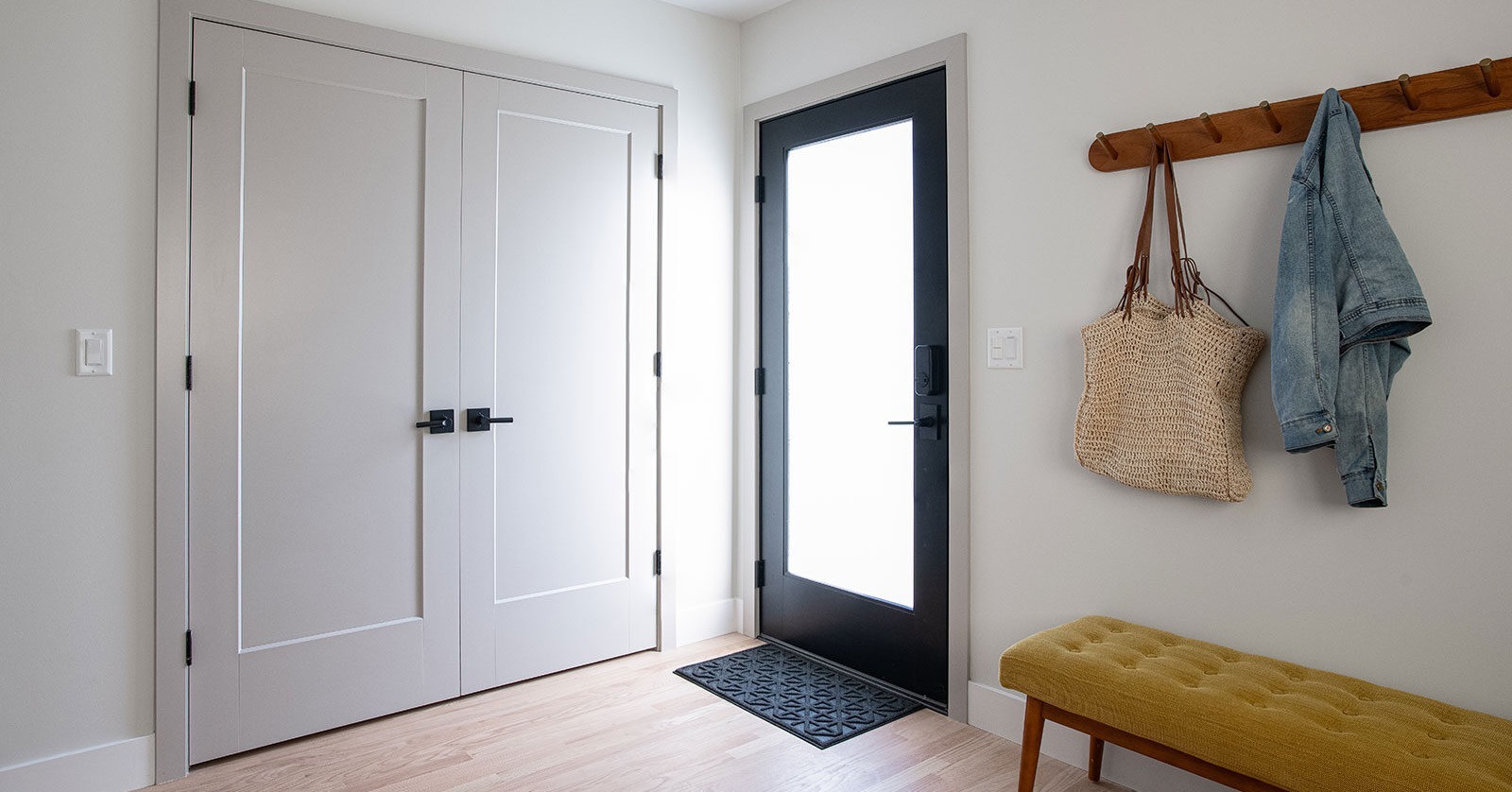 Above: A soft taupe tone on the doors and surrounding casing introduces subtle contrast and depth, while allowing the rest of the neutral palette to remain calm and cohesive.
2. Natural Materials and Layered Textures Are Bringing Back Warmth
As overall interior design moves toward more neutral color palettes, materials are doing more of the work, giving texture and natural variation the opportunity to take center stage. The focus shifts from color to how surfaces feel, age, and interact with light throughout the day. You see this in the use of natural wood species like walnut, white oak, cherry, and alder, paired with materials such as handmade tile, textured plaster, and natural stone.
This shift reflects how homeowners are placing greater value on materials that feel authentic and age well. Instead of selecting finishes that look perfect on day one, they are choosing materials that will evolve and continue to look better over time, telling a story within the home.
A Builder’s Perspective
Alder has become a go-to choice for many of these projects because it offers a practical balance between performance, appearance, and cost. While it’s technically a hardwood, it’s softer than species like oak or maple, which makes it easier to work with and well-suited for detailed cabinetry, built-ins, trim, and millwork.
What makes alder a strong choice:
- Consistent, straight grain that creates a clean, even appearance
- Stains well to allow for warmer tones without the strong yellow or orange undertones found in some species, and can even achieve the look of higher-end woods like walnut or cherry.
- More cost-effective than premium species like white oak
- Easier to shape and customize, especially for built-ins and detailed trim work
In one Arlington Heights kitchen remodel, alder was used for the cabinetry, allowing the wood's natural qualities to carry the design. Its consistent grain and warm honey tone created a clean, cohesive foundation, while the surrounding selections, white and grey quartz countertops, brushed nickel hardware, and a bright white subway tile backsplash, kept the space feeling balanced and timeless. The result is a kitchen that feels warm and natural without relying on heavy color or overly complex finishes.
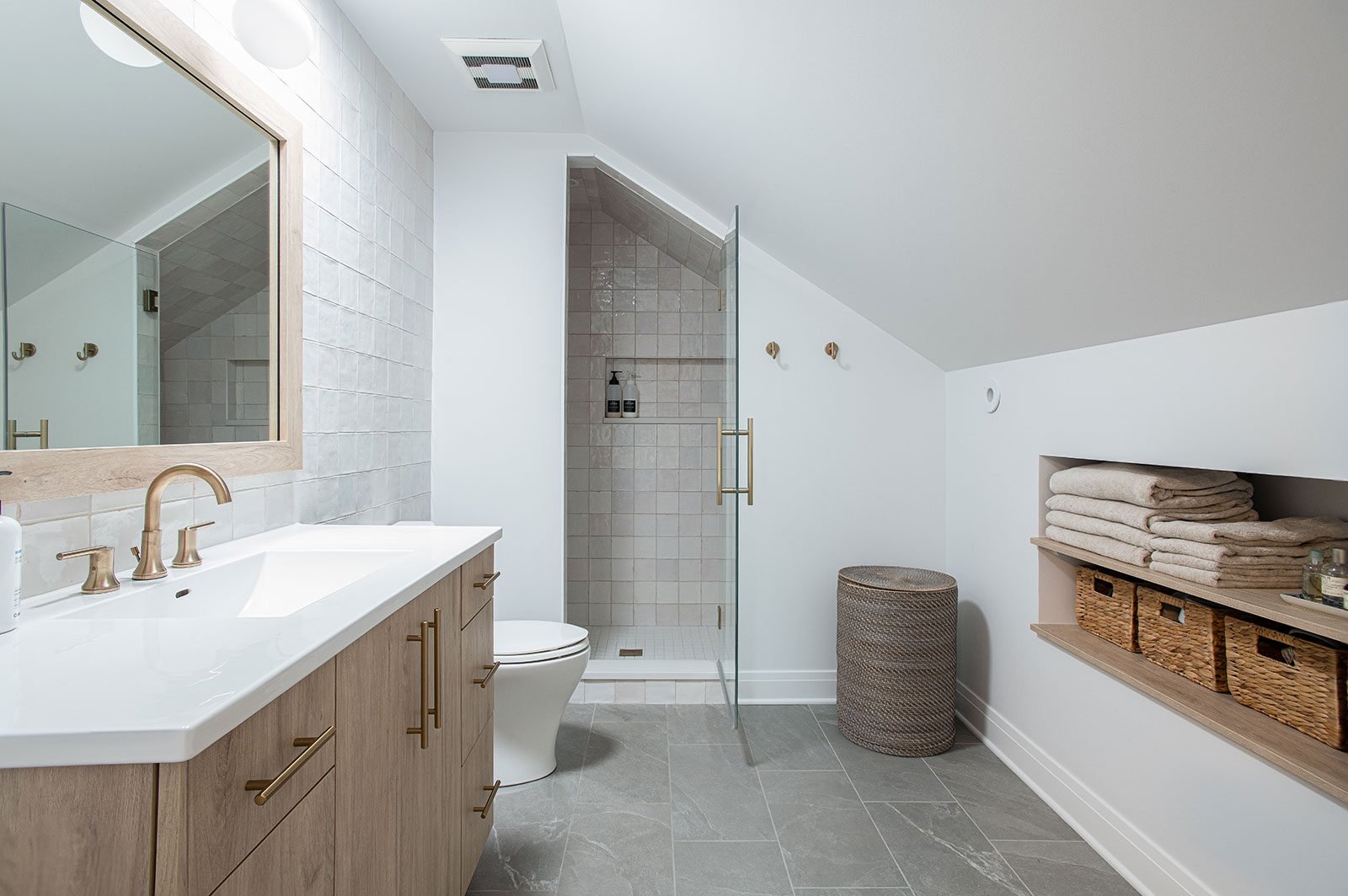 Above: This attic primary suite bathroom renovation by Patrick A. Finn demonstrates how a minimalist neutral color palette intentionally shifts the focus to a rich interplay of textures. By layering soft whites, warm wood grains, and stone-look tiles, the design allows the physical materials to "pop" while maintaining a serene atmosphere.
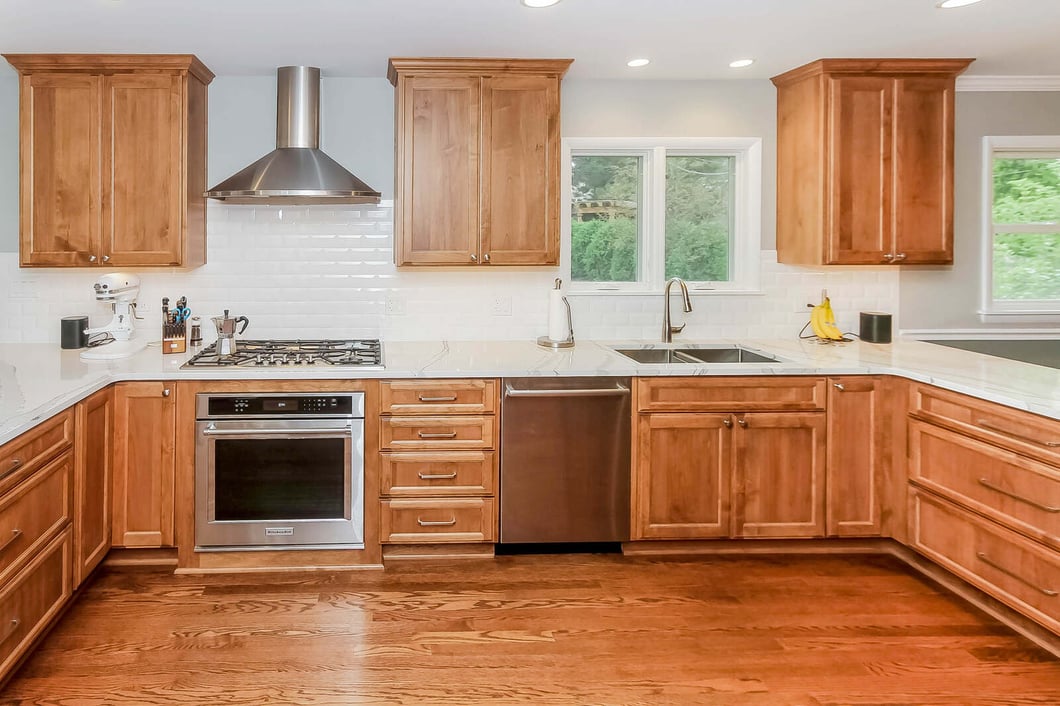 Above: Custom kitchen featuring rich alder cabinetry and matching hardwood flooring, complemented by white and gray granite countertops, brushed-silver hardware and fixtures, a clean white subway tile backsplash, and soft gray walls accented with crisp white trim for a bright, timeless finish.
3. Wellness-Focused Design Is Becoming Part of Everyday Living
Wellness is becoming a more intentional part of the design process, influencing how homes are planned from the ground up. Rather than focusing on individual features within the home, homeowners are prioritizing a more holistic approach with multifunctional layouts and living spaces that feel comfortable, function easily, and evolve with the family over time.
Bathrooms Designed for Well-Being and Function
Bathroom remodeling projects are increasingly incorporating wellness-focused upgrades that were once limited to spas or high-end spaces. Steam showers, saunas, digital shower controls with preset temperatures and profiles, heated floors, and heated towel bars are becoming more common as part of this shift.
Thinking about creating a more relaxing, functional retreat at home? Explore what goes into a well-designed primary suite.
Wellness Is Expanding Beyond the Bathroom
This focus on wellness is also extending beyond the bathroom into other areas of the home. More homeowners are carving out dedicated spaces for movement, whether that’s a full workout room or a smaller, flexible area for stretching or yoga. What’s changing is how these spaces are being designed. Instead of treating them as purely functional rooms, they are being approached with the same level of design consideration as the rest of the home. Finishes, lighting, wallpaper, and materials are selected to make the space feel cohesive and inviting, not separate or secondary.
At the same time, sound-damping solutions such as solid-core doors and more thoughtful layout planning are being considered more often, not because they are trendy, but because they improve the way the home is experienced every day.
Accessibility Is Being Integrated, Not Added Later
At the same time, accessibility is becoming a more frequent part of the remodeling conversation, with a greater focus on how it is integrated from the start. Rather than being added later as an afterthought, it is now being integrated into the design in ways that feel intentional and unobtrusive. Features like grab bars have come a long way in both design and aesthetics, no longer carrying the clinical, hospital-like appearance they once did. Low or no-threshold shower entries, slip-resistant flooring using smaller-format tile with more grout lines, and layouts that include both a standard vanity and a more accessible option are becoming more common.
This shift is being driven by real-world needs. With the rising cost of care and more families choosing to stay in their homes longer or accommodate aging parents, these design decisions are helping spaces adapt with homeowners as they age. When done well, they create a more comfortable daily experience while supporting multigenerational living, without making the home feel overly specialized.
A Builder’s Perspective
When these considerations are built into the design early, they tend to disappear into the overall space in the best way possible. The goal is not to make accessibility features stand out, but to make the space feel intuitive and easy to use without calling attention to why.
From a construction standpoint, many of these decisions are significantly easier and more cost-effective to address during a full remodel rather than trying to retrofit them later. Elements like proper floor structure to support curbless showers, and wider clearances require planning prior to the framing stage. If those opportunities are missed, making changes later can become far more complex and expensive.
Even if these features are not needed today, bringing them into the conversation early allows for smarter planning. It gives the home the ability to adapt over time without major changes, while also supporting long-term resale value. 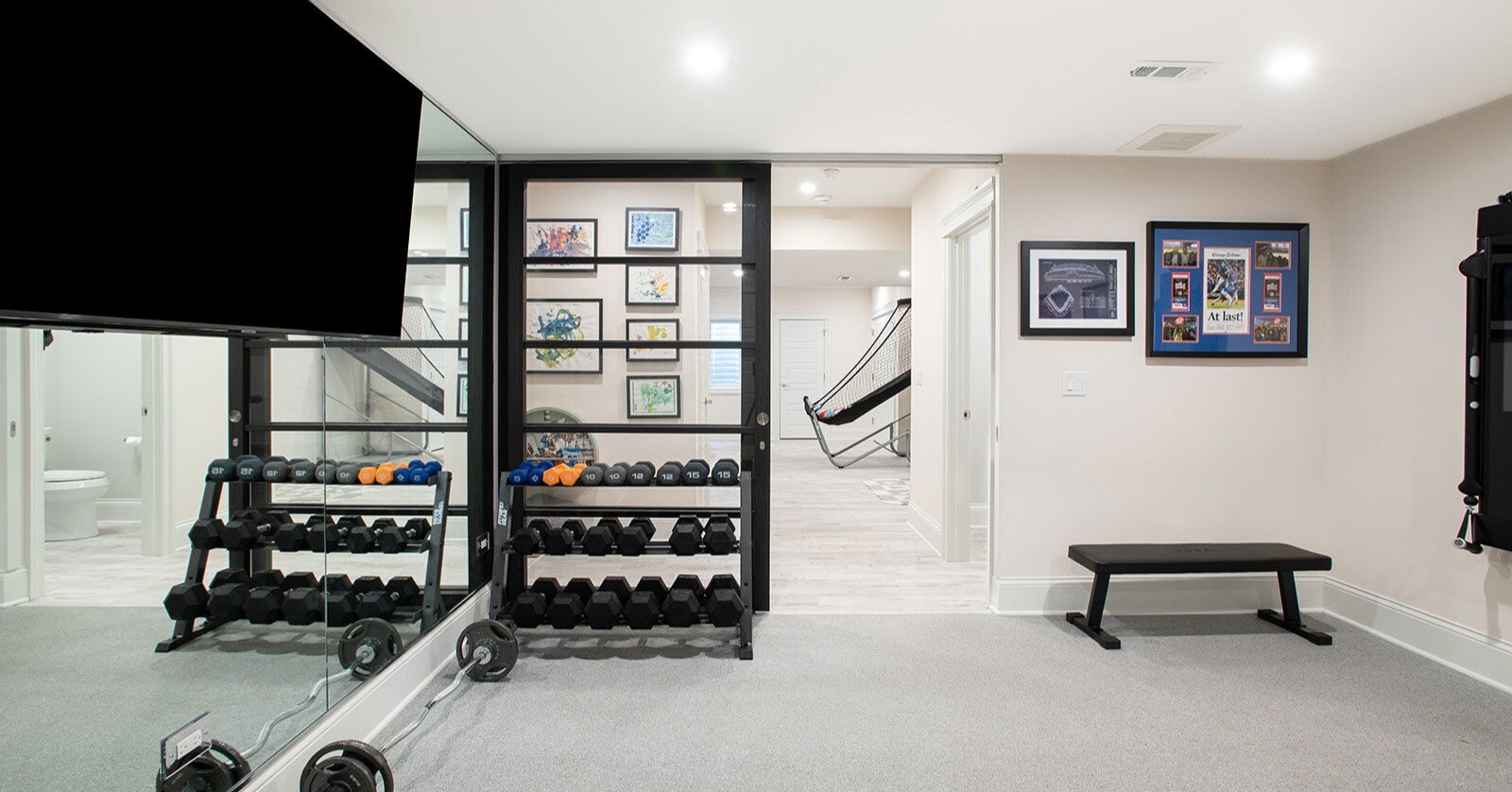
4. Traditional Details Are Being Reintroduced with Intention
Over the years, many homes lost the architectural details that once gave them character. Trim became simpler, millwork was minimized, and interiors leaned toward a more uniform, builder-grade look, particularly in homes built in the late 1990s and early 2000s.
That is beginning to shift. Homeowners are reintroducing elements such as arched openings, detailed millwork, inset cabinetry, and subtle paneling, but doing so in a way that feels balanced rather than excessive. In many cases, these details are used more selectively, highlighting specific areas of the home, such as entryways, stairwells, or transitions between spaces, rather than applying them throughout the entire home.
We are also seeing a return to more tactile and dimensional millwork. Reeded accents, slat walls, and custom paneling are being incorporated to add depth, while softer curves are replacing sharper lines. In older homes, particularly those built in the 1920s through 1940s, there is a strong focus on preserving the character of the original architecture. Details like plinth blocks, where casing meets the baseboard, are being reintroduced as a subtle but meaningful way to carry that character through the space.
Rather than recreating the past exactly, the goal is commonly to blend these traditional era-appropriate elements with more modern finishes and layouts. This approach helps the home feel both rooted in its original style and aligned with how it is used today.
A Builder’s Perspective
Architectural detailing works best when it aligns with the home’s style and era. When trim profiles, millwork, and proportions are consistent with the original structure, it feels intentional rather than added later.
This is where the design stage becomes critical. It is not just about selecting details, but understanding where and how they should be used.
There is also a level of craftsmanship required to execute these elements properly. When done well, they do not stand out individually, but instead contribute to a consistent sense of quality throughout the home.
.png?width=1500&height=1000&name=n-beverly-basement-renovation-gym-zone%20(1).png) Above: This home gym project features a custom equipment wall framed by reeded paneling and seamless integrated lighting. The design balances industrial performance with architectural warmth, utilizing floor-to-ceiling mirrors and vertical LED accents to create an expansive, high-end fitness environment.
Above: This home gym project features a custom equipment wall framed by reeded paneling and seamless integrated lighting. The design balances industrial performance with architectural warmth, utilizing floor-to-ceiling mirrors and vertical LED accents to create an expansive, high-end fitness environment.
5. Open Concept Layouts Are Evolving into More Intentional Spaces
There was a strong surge in open concept design over the past couple of decades, driven by a desire for better sightlines, more natural light, and a stronger sense of connection between spaces.
What many homeowners have realized over time, though, is that fully open layouts come with trade-offs. Without any separation, spaces can feel noisy, less functional, and harder to use for different activities throughout the day. This has led to a shift toward more intentional layouts that strike a balance between openness and definition. Rather than removing walls entirely, the focus is now on creating spaces that feel connected while still serving distinct purposes.
One of the most effective ways this shows up is through semi-open design. Wider openings between rooms or partial walls help maintain visual connection and allow light to move through the home, while still giving each space a clear identity and the flexibility to separate when needed.
Solutions like double pocket doors build on that flexibility, allowing rooms to open up when it makes sense and close off when privacy or noise control becomes important.
Open layouts can still work well, particularly in homes with secondary living areas such as a finished basement, loft, or separate den, where there is space to step away when privacy is needed. Without that, a fully open plan can start to feel limiting.
This same approach is extending beyond the main floor. In the S Kaspar project, for example, the remodeled basement was designed as a series of distinct zones, including a TV area, a game table space, a wet bar, a wine-tasting area with dining, and a home office, all separated by vertical slatted beams.
Wondering if your home needs more space or just a better layout? Explore how thoughtful planning can unlock what’s already there.
A Builder’s Perspective
Fully open layouts often look good in theory, but how a space performs day-to-day matters most and should guide the design focus. This is where thoughtful planning becomes critical. In many remodeling projects, taking the time to understand how the home will actually be used leads to better decisions around layout, introducing the right level of structure to create a more functional and flexible floor plan.
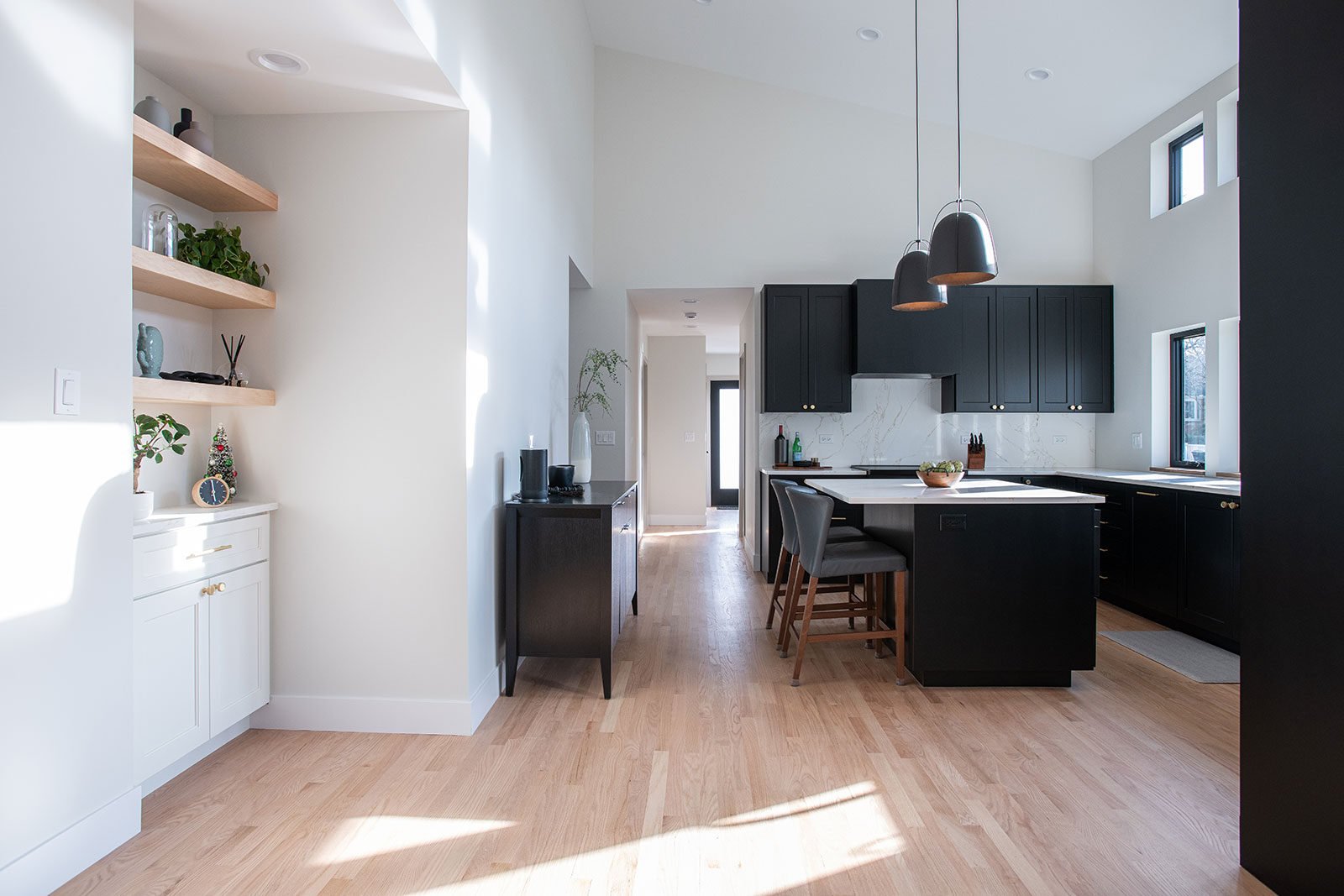
In projects like S Vail, for example, the kitchen and living areas are connected through a wider opening rather than being fully open. This creates strong sightlines that allow you to see from one end of the home to the other, helping the space feel more expansive and connected. At the same time, there are still clearly defined areas for the kitchen, family room, laundry, and even a home office, so each space maintains its own purpose and functionality.
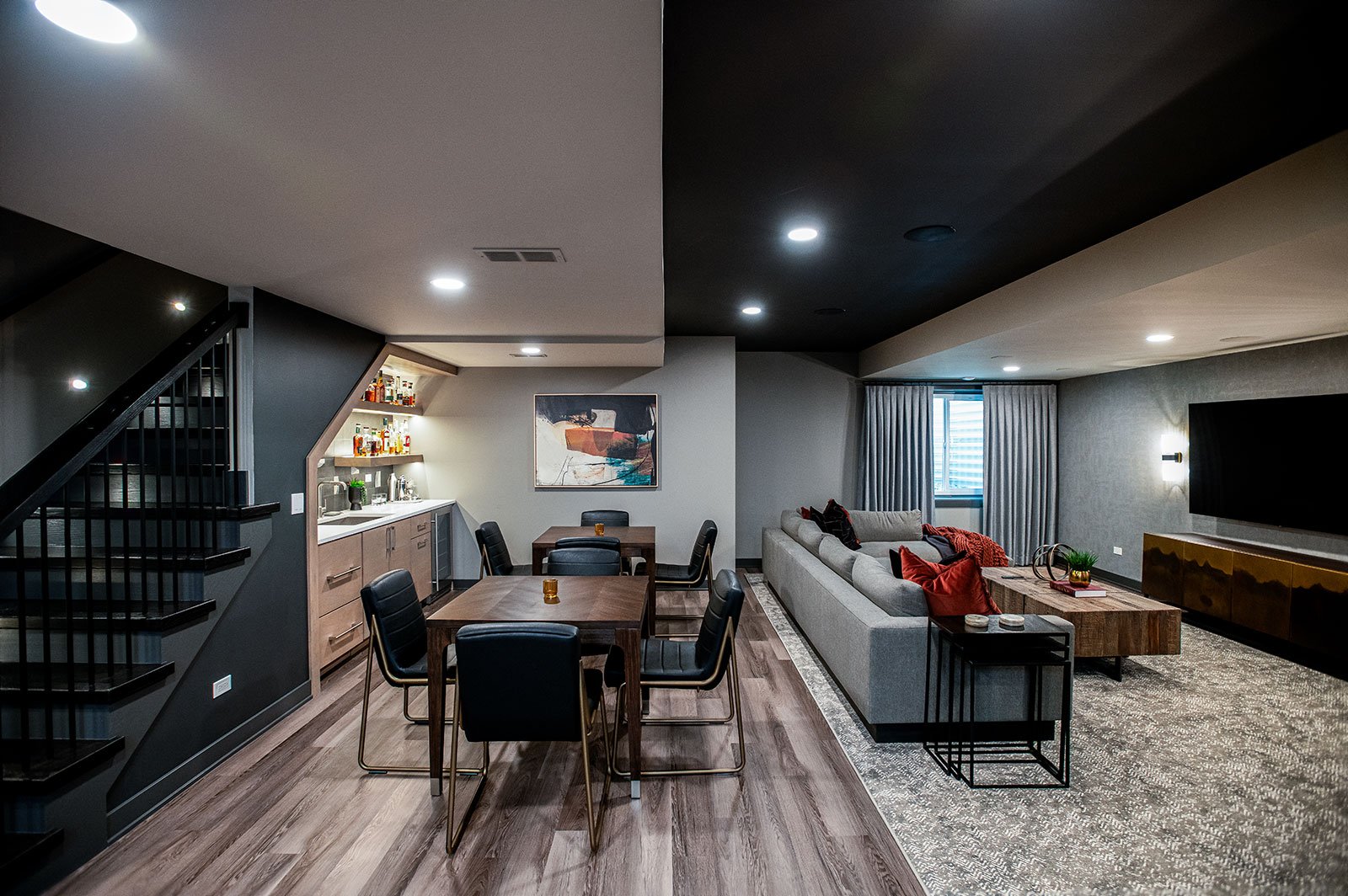 Above: This basement renovation by Patrick A. Finn showcases three distinct entertainment zones within a larger, multi-functional layout. This view highlights the built-in wet bar zone on the left, the central card tables, and the media lounge zone on the right.
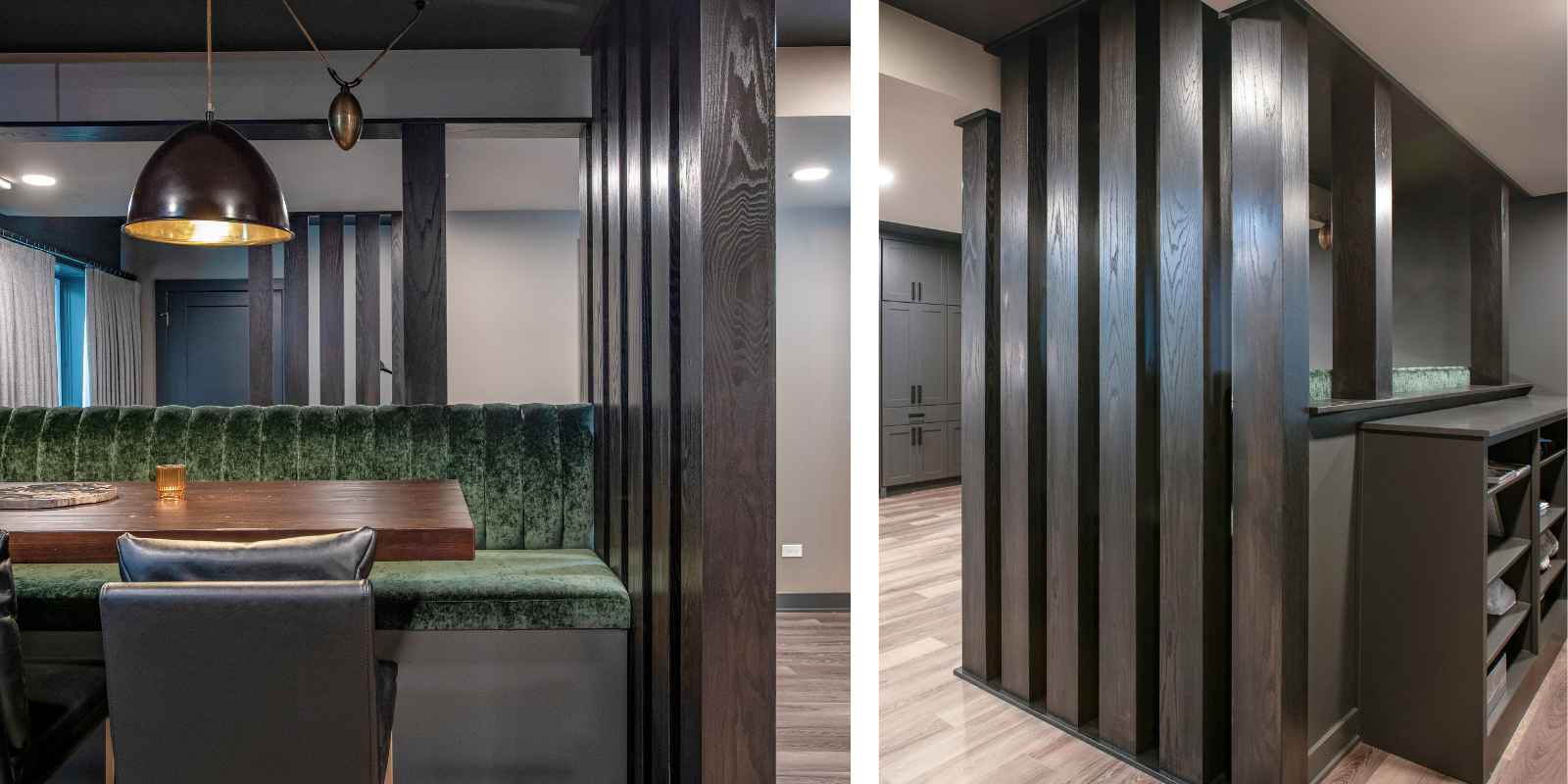 Above: This basement renovation features a faux slatted wall that creates a sophisticated, "breathable" boundary, carving out an intimate lounge zone while maintaining the basement's open-concept flow. Using vertical lines instead of a solid partition defines the space with architectural texture without sacrificing light or visibility.
6. Hidden Storage and Integrated Features Are Simplifying Daily Life
As homes become more intentional in their design, there is a growing emphasis on reducing visual clutter and simplifying how spaces function. This is where integrated storage comes into play.
Panel-ready appliances, concealed pantries, and built-in charging areas are being incorporated in ways that keep essential functions accessible while keeping them out of sight. In kitchens, this often extends to more specialized solutions, such as pop-up outlets on islands or along the perimeter, providing functionality when needed without interrupting clean sightlines.
We are also seeing a rise in dedicated prep spaces, such as butler pantries, sculleries, or secondary kitchens tucked away from the main living area. These spaces allow cooking, storage, and cleanup to take place out of view, helping the primary kitchen remain more open and visually calm.
A Builder’s Perspective
These features may not stand out immediately, but they have a meaningful impact on how a home feels and operates. A well-designed space reduces the number of small decisions to be made throughout the day, creating a home that feels more organized, efficient, and easier to live in.
This is where early planning becomes especially important. Decisions around things like outlet placement are much easier to get right during the design phase than after construction begins. Whether outlets are integrated into a wall, built into a pop-up in a kitchen island, or even concealed in the floor in the middle of a room, their placement directly affects how the space functions.
Without that level of planning, homeowners often find themselves arranging furniture around outlet locations or relying on workarounds that detract from the overall design. Taking the time to think through these details early in the process allows the space to function more naturally and avoids compromises later on.
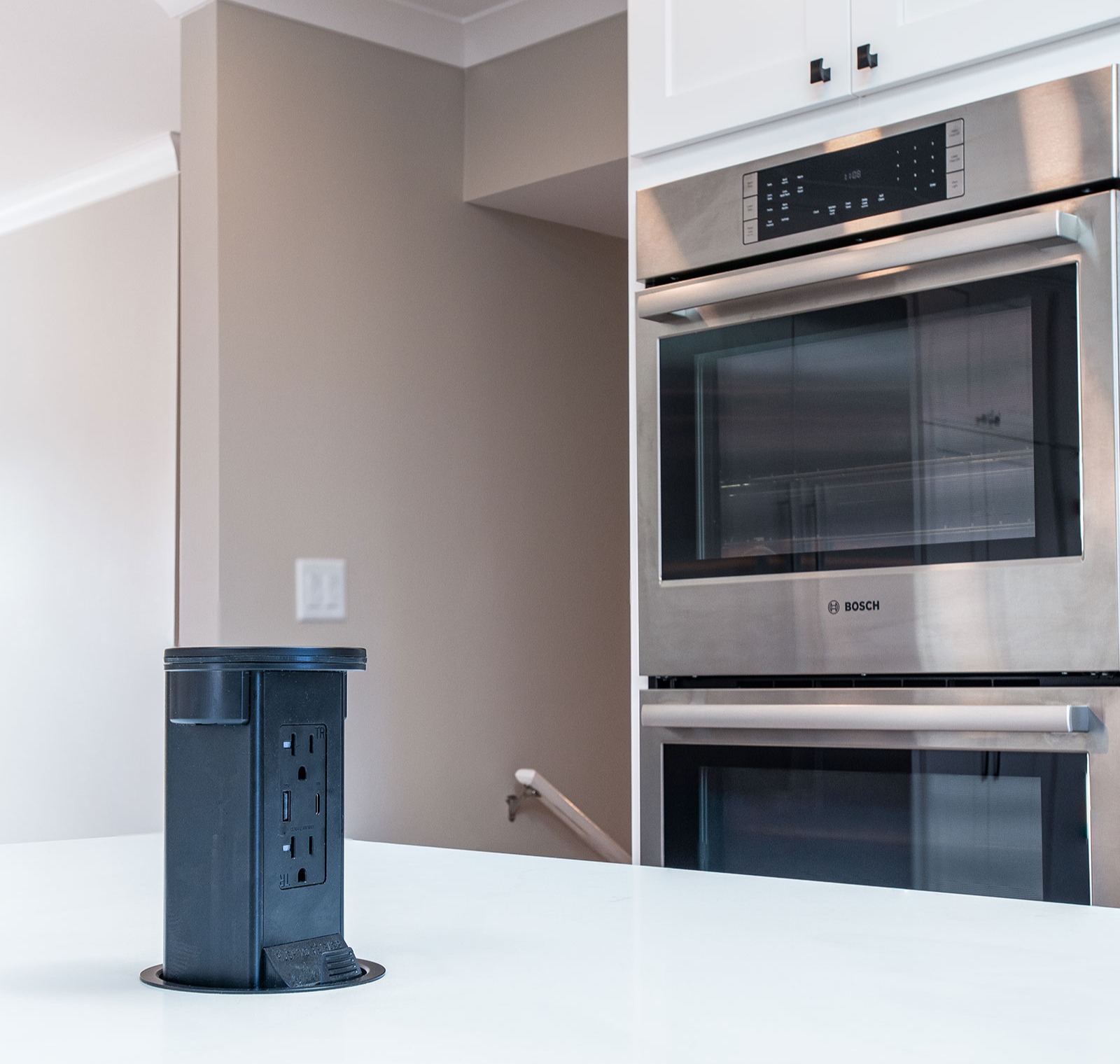 Above: This W. Brittany kitchen remodel by Patrick A. Finn features a pop-up outlet integrated directly into the kitchen island countertop for convenient power access. This retractable design provides a seamless, clutter-free workspace that maintains the kitchen's clean lines while meeting modern electrical needs.
.png?width=1500&height=1000&name=n-beverly-basement-renovation-media-zone%20(9).png) 7. Stone Surfaces Are Becoming More Expressive and More Practical
7. Stone Surfaces Are Becoming More Expressive and More Practical
Instead of flat, uniform surfaces, homeowners are choosing quartzite, marble, and other natural stones with movement and variation. Warmer tones and organic veining are becoming more common, reflecting the broader shift away from stark, high-contrast finishes.
At the same time, durability remains a key consideration. Textured materials like slate are being used in areas where wear and safety matter, such as bathrooms, entryways, and outdoor spaces. These materials are chosen not just for their appearance but also for how well they wear and age with everyday use.
A Builder’s Perspective
Natural stone can vary significantly from slab to slab. Seeing the full slab before fabrication is important to ensure the veining and color work with the overall design. Let your builder know if there is a certain section of your slab that you want to highlight as a focal point.
Not Every Trend Works in Every Home
While these interior design trends offer a helpful perspective, they are not a one-size-fits-all solution. What works well in one home may not translate to another, especially in older homes where structure, layout, and existing conditions vary significantly.
In our experience, the most successful projects are not driven by trends alone. They are guided by a clear understanding of how the home is used, where friction exists, and how each decision supports the overall plan. This is where a thoughtful design-build approach allows each of these ideas to be evaluated in context, rather than applied in isolation.
.png?width=2000&height=800&name=fernandez-kitchen-banner_6_2000x800%20(2).png) Start with a Plan, Not a Trend
Start with a Plan, Not a Trend
Once the right problems are identified, the focus shifts to how decisions are made. Layout, materials, lighting, and storage are not separate choices. Each one affects the others. Changing a wall impacts how light moves through the home. Adjusting a layout changes how sound carries. Moving cabinetry affects storage, circulation, and even how a space is used throughout the day.
This is where a design-build approach becomes valuable. It brings those decisions together into one process, so they can be evaluated as a whole rather than piece by piece.
Instead of reacting to individual ideas, the design is built around how everything needs to work together, holistically. That is what prevents trade-offs that only show up later and allows the final result to feel cohesive rather than pieced together.
Over time, those are the homes that hold up best. Not because they followed a specific trend, but because the underlying decisions were made with a clear understanding of how the space would be used.
If you would like to explore that process further, a helpful next step is to review Patrick A. Finn’s Ultimate Blueprint to Creating Your Dream Home, which outlines how thoughtful planning and a design-build approach come together to deliver lasting results.
Frequently Asked Questions About Home Remodeling Trends in 2026
What are the biggest home remodeling trends in 2026?
The biggest home remodeling trends in 2026 focus on improving how a home feels and functions rather than just how it looks. This includes warmer color palettes, natural materials like wood and stone, wellness-focused spaces, intentional layouts instead of fully open concepts, and integrated storage solutions that simplify daily life.
Are open floor plans still popular in 2026?
Open floor plans are evolving rather than disappearing. Many homeowners are moving toward semi-open layouts that maintain connection between spaces while adding separation for noise control, privacy, and flexibility. This approach creates a better balance between openness and functionality.
How do I know which design trends will work in my home?
Not every trend works in every home. The best approach is to evaluate trends based on your home’s layout, structure, and how you use the space day-to-day. A design-build process helps determine which ideas will improve your home and which may create new challenges if applied without context.
Why is a design-build approach important for modern remodeling?
A design-build approach integrates design and construction into a single process. This allows decisions about layout, materials, lighting, and storage to be made holistically, reducing surprises and ensuring the final result feels cohesive, functional, and aligned with how the home will be used.
Why are warm tones and natural materials becoming more popular?
Warm tones and natural materials create spaces that feel more inviting, comfortable, and timeless. Instead of relying on bold colors, homeowners are using texture, wood species like alder or oak, and natural stone to add depth and character that improves with age.
What is wellness-focused home design?
Wellness-focused design prioritizes comfort, ease of use, and long-term livability. This includes features like steam showers, heated floors, better lighting, sound control, and spaces for movement or relaxation. These elements are designed to improve everyday living rather than serve as luxury add-ons.
See How These Ideas Come to Life
Curious what these trends look like when they’re applied the right way? Explore this Arlington Heights project to see how thoughtful design and planning transformed a dark, cramped home into a bright, functional space built for everyday living.
Read the Case Study: From Dark and Cramped to Bright, Open, and Full of Possibility