Listen to the Blog Post
A kitchen remodel is an exciting opportunity to breathe new life into one of the most important spaces in your home. However, with all the misinformation floating around, it's easy to get caught up in misconceptions about what a kitchen renovation should and shouldn’t look like.
In this article, we’ll explore the top 10 most common kitchen remodeling myths (and mistakes) that homeowners frequently ask us about and share practical tips on how to avoid them.
Myth #1: Taking on a DIY Kitchen Remodel Will Save You Significant Money
Reality: DIY can reduce upfront labor costs, but mistakes, material waste, code issues, and the time required to correct problems can quickly offset those savings.
Homeowners often dive into DIY home remodeling projects with the best intentions, but they quickly realize just how complex and time-consuming these projects can be. While it may seem like a great way to save money upfront, there’s a lot more to it than meets the eye. Most homeowners aren’t experienced in the intricacies of material selection, proper installation techniques, or building code requirements, and they can quickly become overwhelmed by the number of moving parts involved in a remodel.
What starts as an exciting project can turn into a costly mistake. Many DIYers find themselves in over their heads halfway through, only to discover that a professional must redo the work they’ve done. This means paying for the professional’s time and expertise to fix the mistakes, as well as the wasted time and material costs spent on the original attempt.
Even more concerning is the potential for safety hazards or issues with building codes. If something is installed incorrectly, fails to meet the building code, or presents a safety risk, the cost to correct it can be substantial. Not only do you have to fix the mistake, but you may also face fines or delays in completing your project.
Another common misconception is that homeowners can save money by purchasing materials themselves, assuming they’ll get a better deal than a professional could. However, this often isn’t the case. Professionals have established relationships with vendors and suppliers, which allows them to access materials more quickly and at a lower cost. These relationships give them the ability to pass on savings to you, making it more cost-effective in the long run to let a pro handle the material procurement.
Ultimately, while a DIY project may seem like an affordable option, it’s important to consider the hidden costs—both in time and money—that come with it. In many cases, working with a professional from the start can save you more in the long run and ensure that your remodel is done correctly, safely, and efficiently.
Myth #2: Bigger Kitchens Are Always Better
Reality: More square footage does not automatically make a kitchen more functional. A well-planned layout, efficient storage, and good flow often matter more than size.
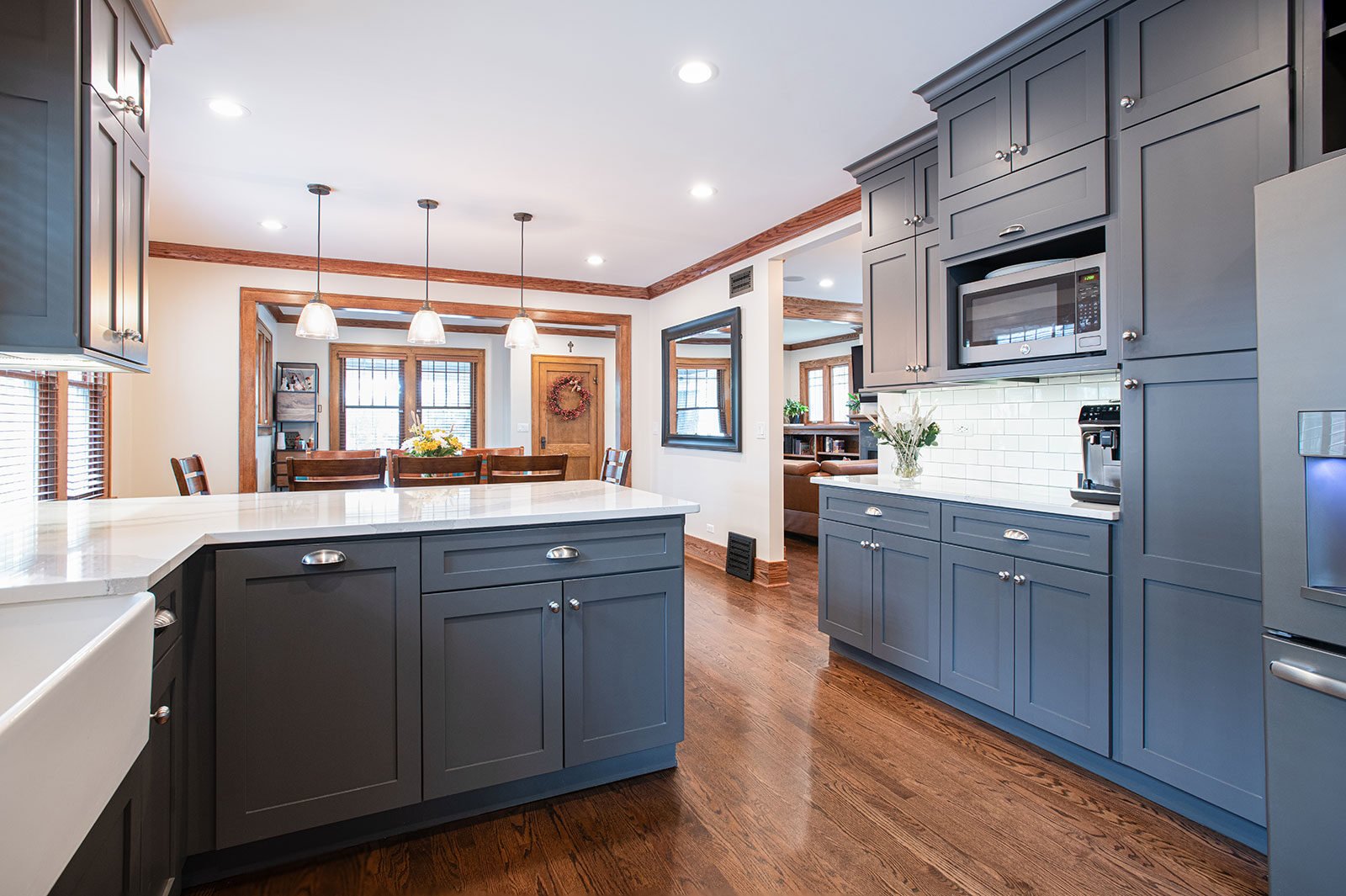
Many homeowners assume that expanding their kitchen is the key to achieving maximum functionality, but bigger isn’t always better. In fact, the size of the kitchen isn’t as important as how well the space works for your needs. What truly matters is making the most of the space you already have.
Instead of focusing solely on the size of your new kitchen, consider functionality. Are you an avid cook who needs ample countertop space and efficient storage for utensils, gadgets, and ingredients? Or perhaps you love to entertain, and a well-thought-out flow and layout that accommodates guests is more important. You can create a spacious and efficient space by designing your kitchen to suit your lifestyle without adding extra square footage.
This concept is echoed in Sarah Susanka's book The Not So Big House, which challenges the notion that bigger homes are always better. The book argues that thoughtful design and smart use of space can make a small kitchen feel just as functional and luxurious as a much larger one.
We firmly uphold this principle, beginning every project by identifying the client's pain points and daily frustrations to help us prioritize the right functionality in the design process.
When you work with an experienced design-build company, they can help you rethink your current space and offer creative solutions to maximize storage, layout, and functionality. They’ll assess your home from a fresh perspective, ensuring that you can get the most out of your kitchen. Sometimes, with the right planning and design, a smaller, well-organized kitchen can work just as well—if not better—than one that’s simply larger.
Myth #3: You Must Follow the Latest Design Trends
Reality: A kitchen should reflect how you live and the character of your home rather than simply following what is currently popular.
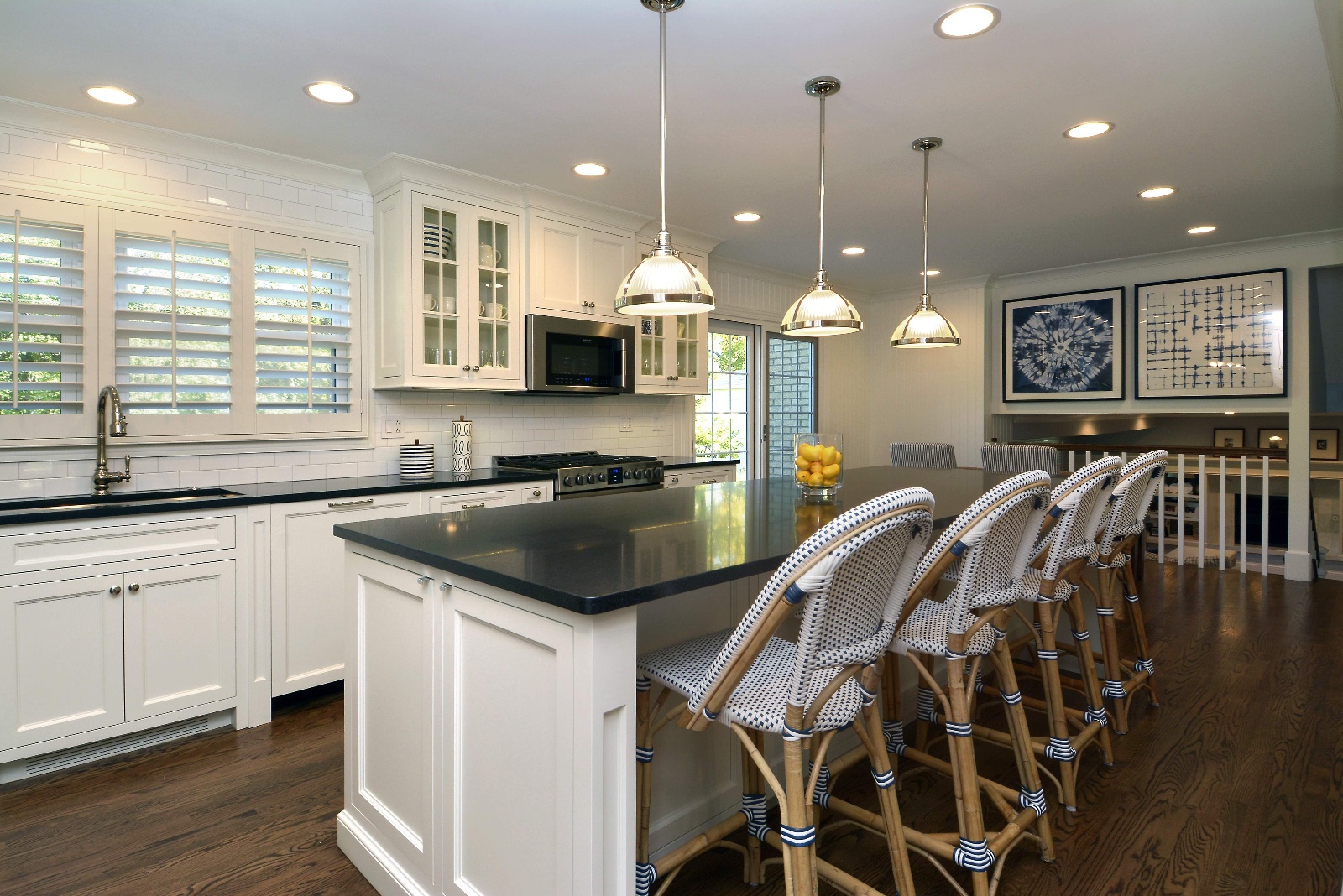
While it’s easy to get caught up in the latest design trends, the most important thing when remodeling your kitchen (or any space) is ensuring it works for you and your lifestyle. Start with functionality—make sure the space serves your needs, whether that means enough storage, a layout that suits your cooking style, or an atmosphere that makes sense for how you use the room. Once the functionality is in place, then you can layer in the aesthetics.
Your personal design style should drive your remodel, not what’s trending at the moment. Work with a design-build company that can help you uncover and define your unique style. A good designer will add value by listening to your needs and preferences and creating a kitchen that feels like an extension of you rather than just following the latest fads.
Another key factor is your home's architecture. Remodeling your kitchen to complement your home's overall style can help maintain a timeless feel. For example, if your home has a classic or traditional style, try to incorporate design elements that reflect that. A cohesive design that aligns with your home’s existing aesthetic will feel more natural and can increase your property's overall value.
Ultimately, the most valuable remodel reflects your personal taste and makes your life easier. Even if your style doesn’t match current trends, a functional, thoughtfully designed space that suits you will always add more long-term value to your home than one that simply tries to keep up with the latest design craze.
Myth #4: You Have to Spend a Certain Percentage of Your Home’s Value
Reality: There is no single percentage that determines the right kitchen remodeling investment. Scope, priorities, existing conditions, material selections, and long-term plans all matter.
There’s an old belief that you should spend a specific percentage of your home’s value on various home remodeling projects, but this idea is outdated. Home values can vary greatly, even within the same neighborhood or town, and trying to fit a remodel into a rigid percentage-based formula doesn’t make sense. Every home is unique, as are the needs of the people living there.
Instead of focusing on what you should spend based on your home’s value, consider your remodel as an investment in your quality of life. Whether you upgrade your kitchen to better suit your cooking habits or create a space that makes your family feel more comfortable and connected, your remodel should prioritize what works best for you and your family’s needs.
When you approach your remodel with your own priorities in mind—rather than focusing solely on the immediate financial return on investment (ROI)—you’ll create a space that genuinely enhances your everyday life. Remodeling is about improving how you live in your home, not just how much you’ll be able to sell it for down the line. A thoughtful, well-executed remodel that suits your lifestyle will always be worth the investment, regardless of the home’s market value.

Myth #5: Remodeling Work Can Start Immediately
Reality: A well-planned kitchen remodel requires time before construction for design, pricing, selections, permitting, material ordering, and scheduling.
If a contractor tells you they can start your remodel immediately, that should raise a red flag. Even the most straightforward renovations require careful preparation, and jumping straight into work without proper planning can lead to problems down the line.
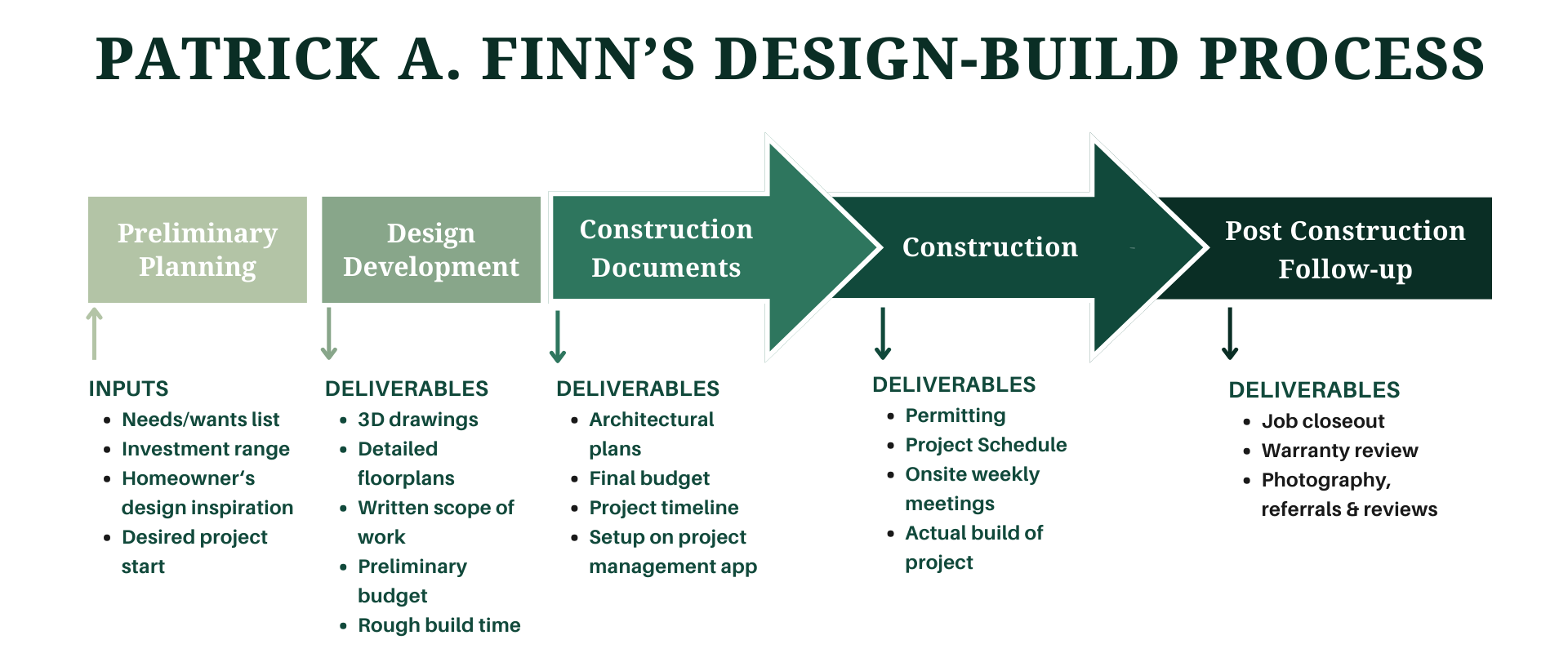
Before any physical work begins, there’s a lot to consider. Each step, from finalizing the design and creating architectural drawings to obtaining permits, takes time. This process allows you to make thoughtful, informed decisions about materials and finishes without feeling rushed or pressured to make decisions because your home is already in disarray.
Once the design is complete, you’ll meet with your design-build company to select materials, fixtures, and other important elements. Taking the time to finalize these choices before construction starts helps to reduce stress and ensure that everything aligns with your vision for the space. By working through the details upfront, you can avoid costly changes or delays once the work is underway.
While it might seem like a quick start is a good thing, taking the time to properly plan and prepare will lead to a smoother, more successful remodel. To better understand the timeline and what to expect, check out our blog post on project timelines.
Myth #6: You Need to Remodel for Resale
Reality: Resale value can be one consideration, but your plans for the home and how the renovation will improve the way you live should also guide your decisions.
It’s a common misconception that every home remodel should be done with resale value in mind. While it’s true that some upgrades can increase your home’s market value, the most important factor in deciding to remodel should be your own comfort and quality of life. Remodeling for resale often leads to superficial changes—like quick cosmetic fixes—that might not actually improve how you live in your home and may not offer the quick dollar that you’re hoping to obtain.
If you plan on staying in your home for at least five years or more, focus on creating a space that works for you and your family, not just what might appeal to potential buyers down the line. After all, design preferences vary greatly, and what you might consider a universally appealing aesthetic or style may not resonate with everyone.
However, if you're thinking of remodeling with the intention of selling soon or in a few years, it’s worth reconsidering. A significant renovation might not always pay off in the short term, especially if it’s just a "face-lift" designed to make the home look good for potential buyers. In this case, it might be more practical to invest your time and energy in consulting with a design-build company to explore finding another home that better suits your needs and offers greater potential for a professional renovation rather than sinking time and money into a '“face-lift remodel” that you may not fully enjoy.
Remodeling your home with the hope of a quick resale doesn’t always lead to extra profit. In fact, it can sometimes end up costing you more in the long run. Imagine pouring time and money into upgrades, only to face unexpected expenses down the line. For example, unpermitted work might be discovered during a home inspection, potentially leaving you liable to compensate the buyer for necessary corrections. Instead of reaping the rewards of your efforts, you could find yourself doubling down on costs and frustration.
Ultimately, the decision to remodel should be about enhancing your life in the space you already love rather than trying to guess what will attract future buyers. Focus on what makes the most sense for you and your family, and you’ll end up with a home that truly suits your lifestyle.
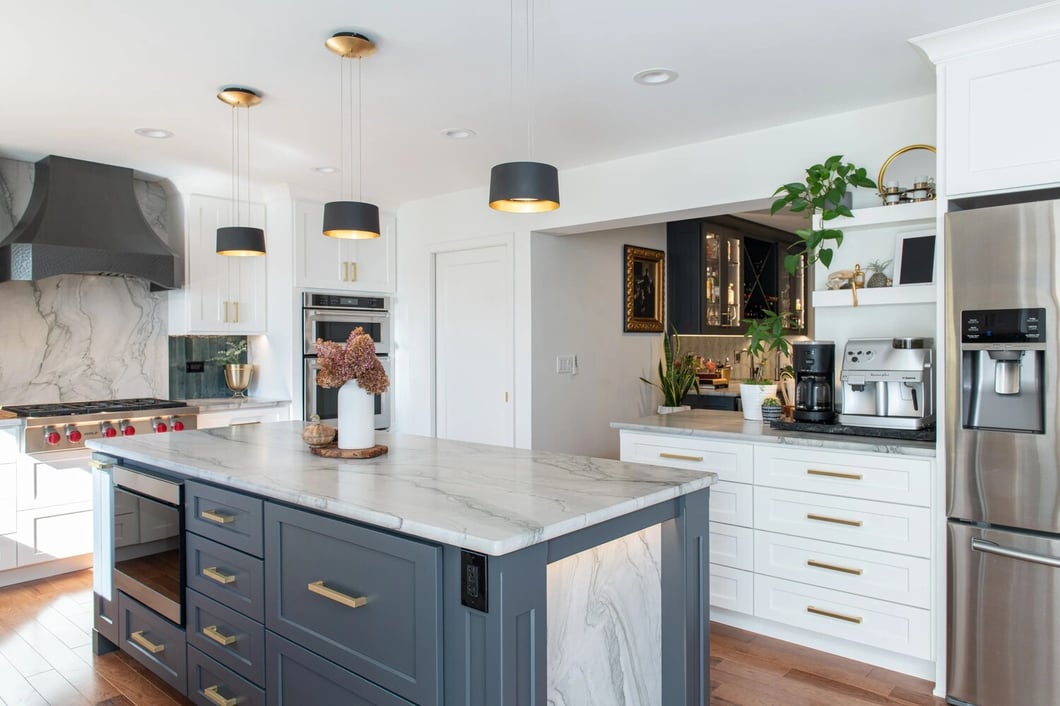
Myth #7: You Don’t Need a Design for a “Simple” Kitchen Remodel
Reality: Even a seemingly straightforward kitchen remodel benefits from a detailed plan that accounts for layout, dimensions, materials, building systems, and construction requirements.
Even if you think your kitchen remodel is simple, having a detailed design is crucial. Many people assume that a quick update doesn’t need a formal plan, but in reality, a design is necessary for several reasons. For starters, it’s required for things like architectural drawings and permits. Whether you're moving plumbing, electrical, or HVAC lines, you need a clear blueprint that shows where everything will go so the right materials can be ordered and installed properly. For example, knowing the exact measurements and layout will ensure you get the correct amount of tile or countertop material, saving you time and money in the long run.
Without a design, you’re essentially remodeling in the dark. It’s easy to overlook important details, like how the space will function or where specific systems should be placed, which can lead to costly mistakes or delays.
Additionally, many financing options for remodeling require a formal design before they approve your loan. A solid plan helps ensure that the project stays on track and that you can secure the necessary funds to complete it.
Another key reason to have a design is that not everyone can visualize the final result. A design helps bring your ideas to life, allowing you to see how your selections—like cabinetry, tile, and other finishes—will work together in the space. It also ensures that the layout will function well for your needs. A professional design gives you the confidence that your remodel will not only look great but will also work efficiently for your lifestyle.
.png?width=1600&height=1600&name=park-place-attic-rendering-vs-actual%20(2).png)
Myth #8: The Lowest Bid is Best
Reality: The lowest initial price does not necessarily represent the best value. The scope included, quality of work, planning, materials, and potential for changes all affect the final cost.
It might seem logical to get a few free estimates, but these can often lead to problems. Without detailed plans, a free estimate is a rough guess at best, leaving you vulnerable to immense "scope creep"—unexpected project expansions that drive up costs.
Instead, choose a design-build contractor based on their reputation, values, and past work. A reliable contractor will take the time to understand your needs, ask detailed questions, and create a comprehensive plan with accurate pricing. For example, consider a kitchen remodel. What "kitchen remodel" means to you might differ from what it means to a contractor, leading to vastly different cost expectations.
To learn more about how a free or low bid can cost you more in the long run, read this blog post, “How Free Home Renovation Estimates Can End Up Costing You More Than You Think.”
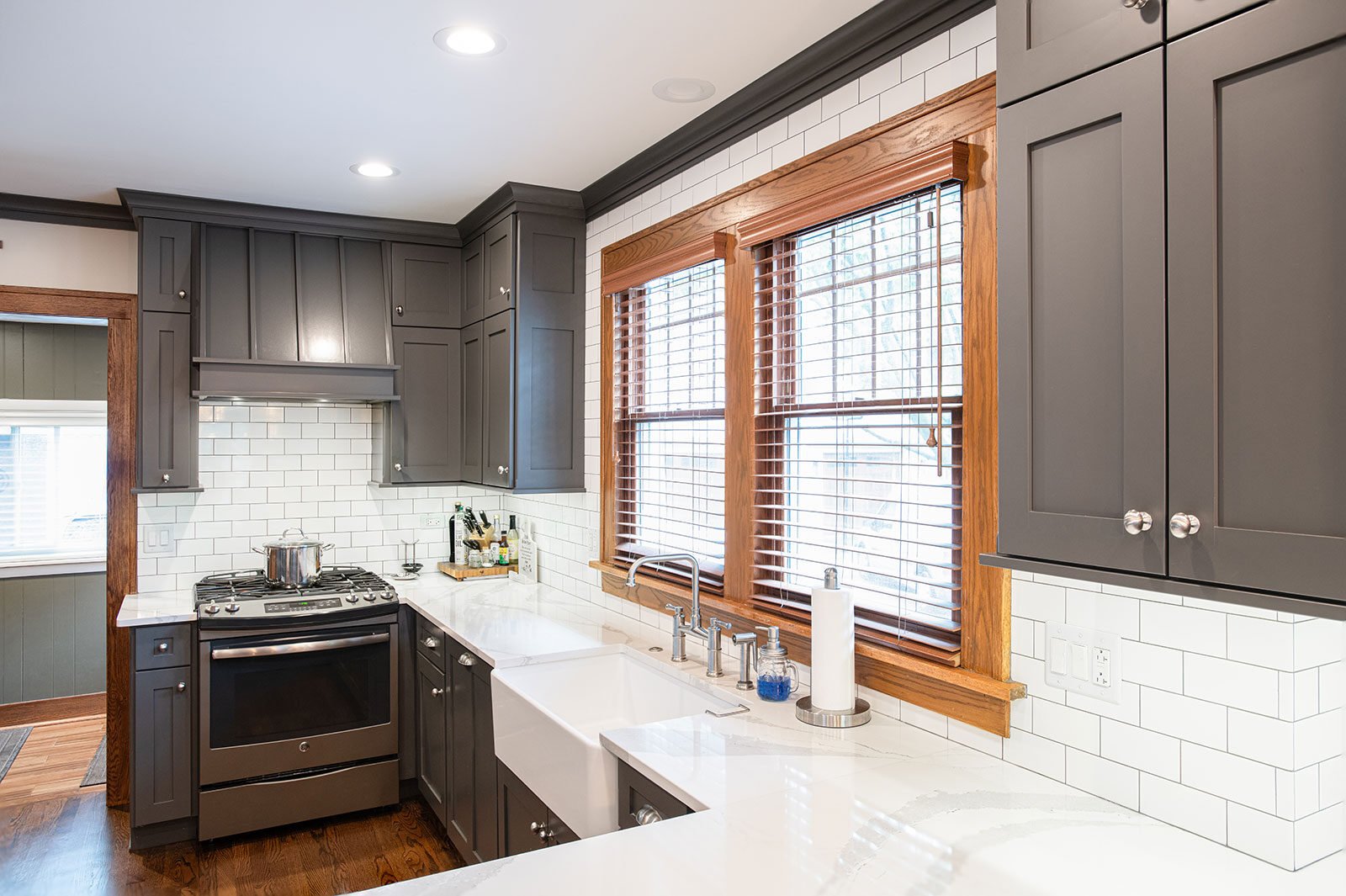
Myth #9: Builder-Grade Cabinets Are Less Expensive
Reality: Builder-grade cabinets may cost less upfront, but price alone does not tell you about quality, durability, customization, or long-term value.
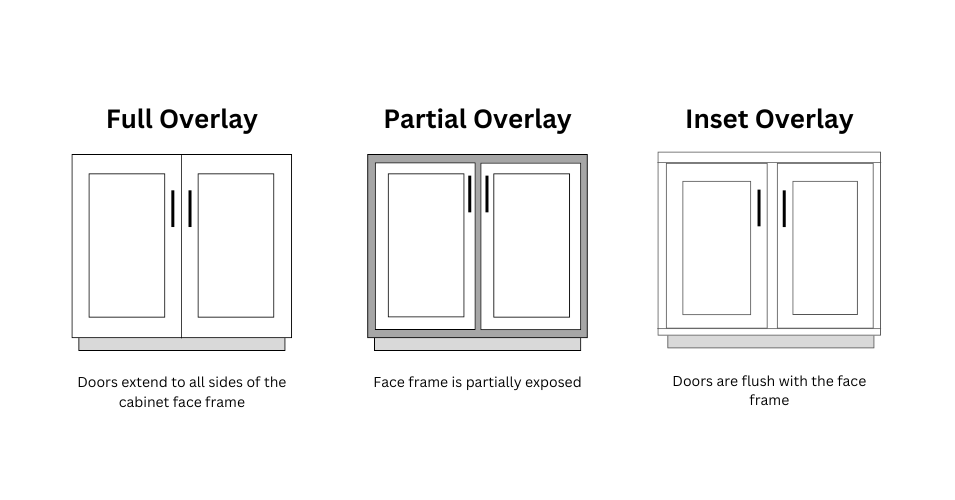
Builder-grade cabinets and those available at big-box stores are often marketed as budget-friendly options. Depending on the manufacturer and product line, however, the lower price point may come with trade-offs in materials, construction, hardware, available sizes, finishes, and customization.
Semi-custom cabinetry can provide more options, but quality can also vary considerably between manufacturers and product lines. Rather than assuming one cabinet category is automatically better than another, look at how the cabinets are constructed, the materials and hardware used, the available customization, and how well the cabinetry will meet your kitchen's demands.
Custom cabinetry typically requires a greater upfront investment, but it can provide more flexibility in sizing, storage, materials, finishes, and design. When you work with a professional who has established relationships with custom cabinetry companies, you can explore options based on the quality and features that matter most to you. A professional designer can also help you decide where to invest more and design cabinetry around your kitchen, storage needs, and how you use the space.
In the end, it is worth looking beyond the initial price when comparing cabinetry. Higher-quality cabinets may cost more upfront, but better materials, construction, and hardware can improve durability and reduce the likelihood of premature repairs or replacement.
Discover the pros and cons between box store and custom cabinetry in in this blog post, "Investing in Custom Cabinetry: A Comprehensive Guide to the Value & Benefits."
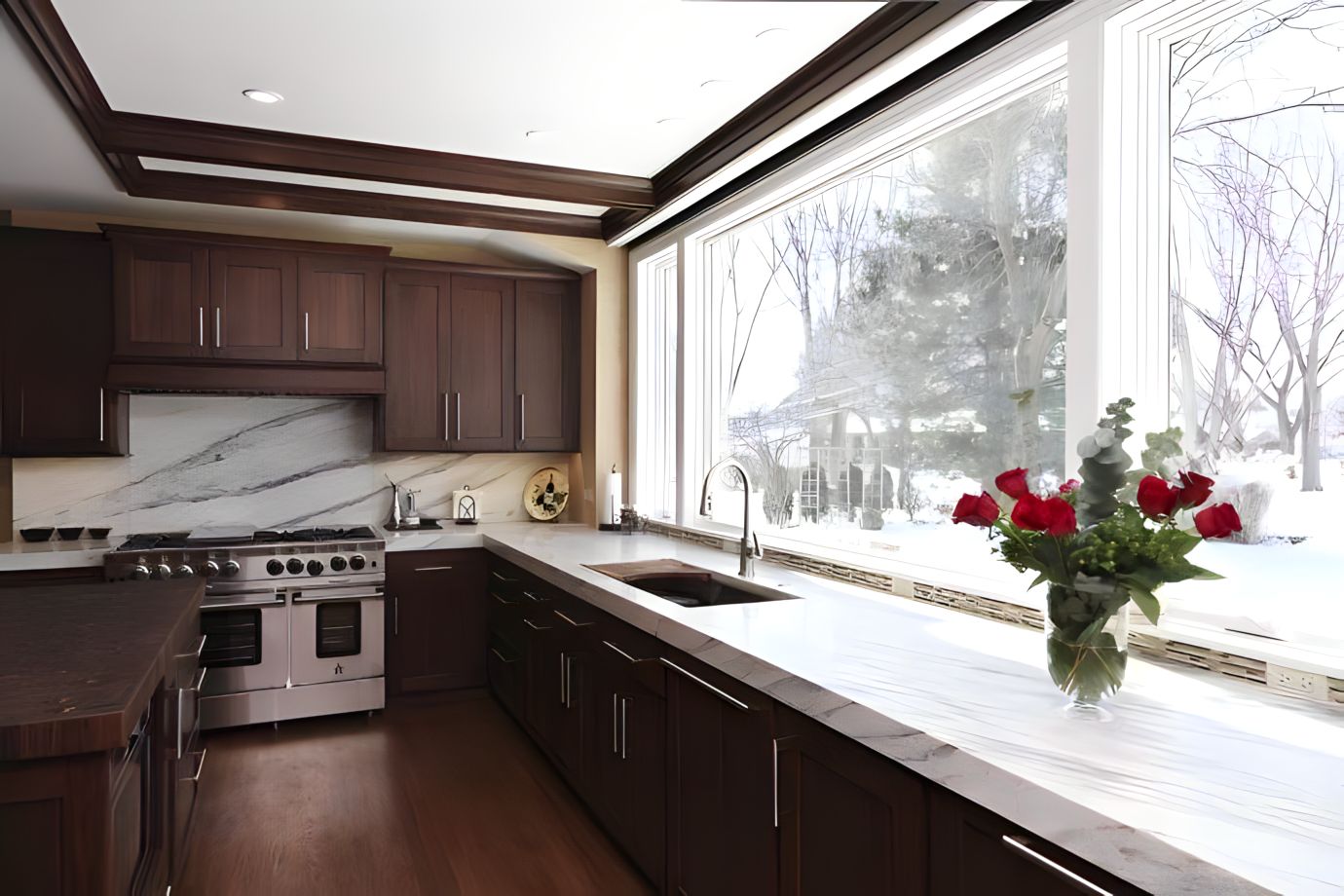
Myth #10: The Biggest Expense in a Kitchen Remodel is Always the Cabinets
Reality: There is no single largest expense in every kitchen remodel. Labor, cabinetry, appliances, structural work, and material selections can each represent a significant portion of the budget depending on the project.
While cabinets are often considered the most expensive part of a kitchen remodel, labor actually tends to be the largest expense. Skilled tradespeople—like electricians, plumbers, carpenters, and installers—bring years of education and hands-on experience to the table, and their expertise is crucial to the success of your remodel. Just like any other professional, tradespeople deserve to be compensated fairly for their work, and this often makes up a significant portion of the overall project cost.
Many of our company's team members live and work in the same communities where we’re performing the remodels (where you live). This means they’re not only invested in the quality of their work but also in the reputation and long-term success of the projects they’re part of.
After labor, cabinetry typically comes in as the second-largest expense. However, remember that cabinetry costs aren’t just about the materials—they also include the time and effort required to manufacture, deliver, and install them.
Beyond these major expenses, many smaller costs add up throughout the project. Like a credit card bill at the end of the month, a remodel includes a series of smaller line items—such as hardware, countertops, flooring, and fixtures—that collectively contribute to the overall price. Each element plays a vital role in the final product, so plan for all of them to ensure a successful remodel that meets both your functional needs and your budget.

Plan Smarter, Remodel Better
A kitchen renovation is a significant investment, and navigating the process can feel overwhelming, especially with so many myths and misconceptions surrounding it. By debunking these common myths, we hope to empower you to make informed decisions that prioritize your needs, lifestyle, and long-term goals.
Whether you choose functionality over trends, select quality materials, or partner with a reputable design-build company, a successful remodel depends on thoughtful planning and collaboration. With the right approach, you can create a kitchen that enhances your home and enriches your daily life without unnecessary stress or hidden costs. Start your renovation journey with confidence and enjoy the benefits for years to come.
Kick-start your kitchen renovation by exploring our comprehensive guide, "Elevate Your Everyday: The Kitchen Remodel Guide for Style and Function." Download it now to plan a kitchen that perfectly balances style and functionality.